
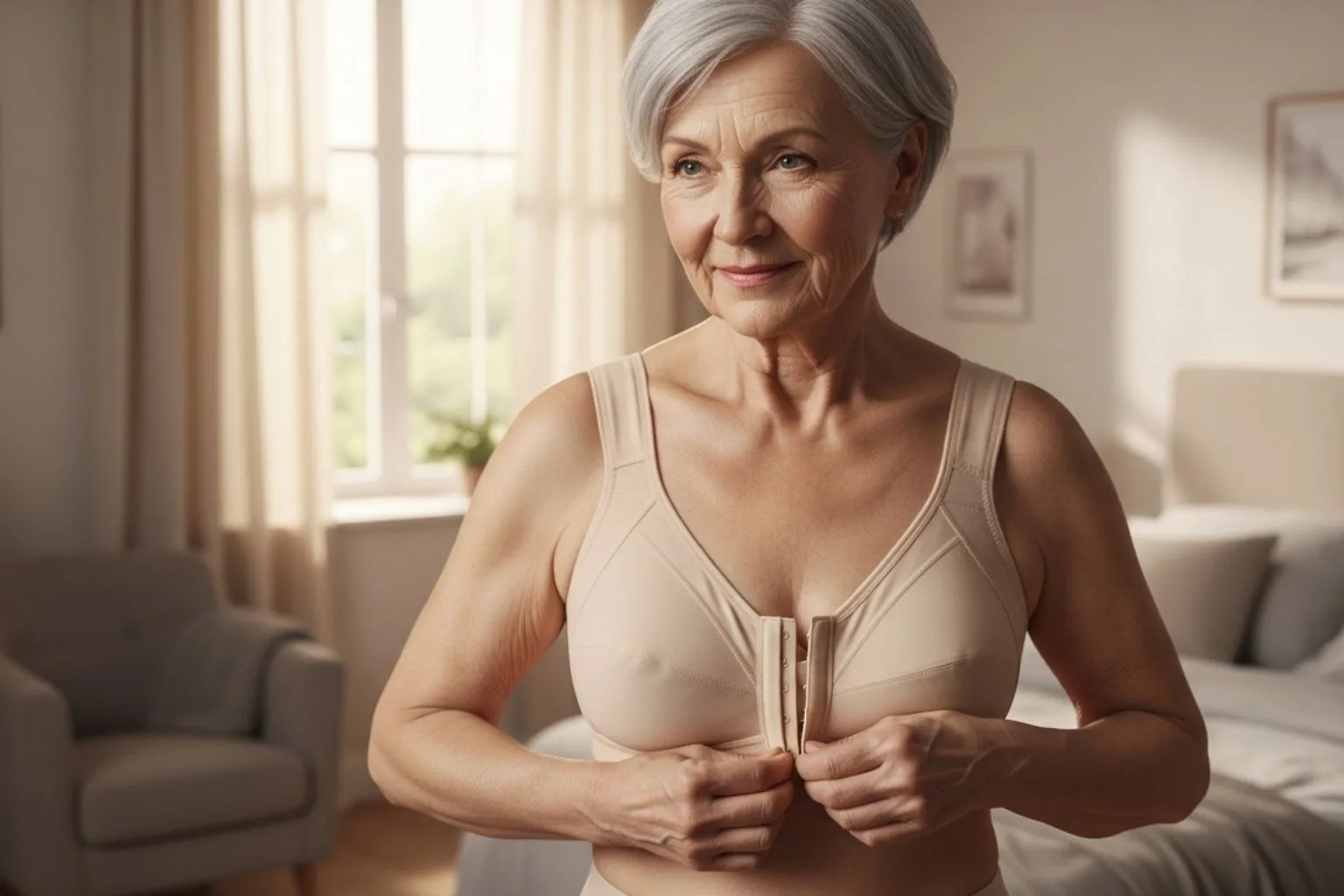
Discover the best front-closure bras for seniors with limited mobility. Comfort, support, and easy-on designs that improve independence and daily wear.
Finding the right bra becomes easier with this complete guide to the best front-closure bras for seniors with limited mobility.
💕 Plus Size Fashion Questions? Ask Isabella!
Style, outfits, looks, combinations, fashion tips... quick & caring answers.
💕 Top Plus Size Fashion Picks
Handpicked products that fit and flatter curves














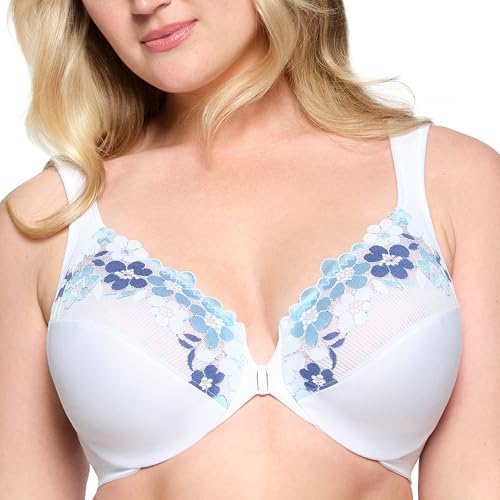
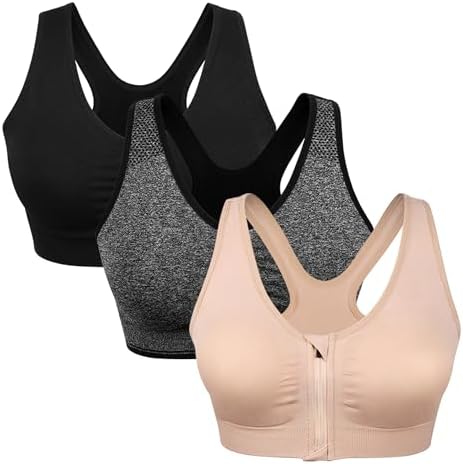
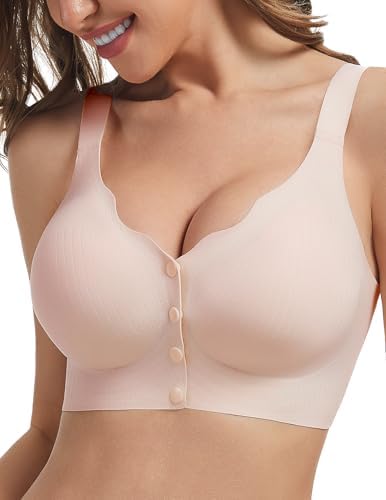
Explore expert picks, adaptive designs, comfortable fabrics, and practical sizing tips that help older adults dress independently with confidence and ease.
Whether dealing with arthritis, shoulder stiffness, or post-surgery recovery, this guide highlights the features that truly make a difference in everyday comfort and support.
- What Makes a Good Front-Closure Bra for Seniors with Limited Mobility?
- Top 5 Front-Closure Bras for Elderly Women: Editor’s Picks
- Easy-On, Easy-Off: Why Front Closures Are a Game-Changer for Seniors
- Best Materials and Fabrics for Comfort and Breathability
- How to Choose the Right Size When Dexterity Is Limited
- Wire-Free vs. Underwire: Which Is Better for Older Adults?
- Adaptive Bras vs. Regular Front-Closure Bras: Key Differences
- Care and Maintenance Tips for Long-Lasting Front-Closure Bras
- Pros and Cons of Front-Closure Bras for Seniors
- Finding the Perfect Bra for Your Needs
What Makes a Good Front-Closure Bra for Seniors with Limited Mobility?
Choosing the best front-closure bras for seniors with limited mobility requires understanding the unique needs of aging bodies.
As women get older, factors like decreased dexterity, reduced shoulder flexibility, arthritis, and general discomfort can make traditional back-clasp bras challenging.
A high-quality front-closure bra solves many of these issues by prioritizing accessibility, support, and long-term comfort.
Reliable Closure System
One of the most important features is the closure mechanism. Seniors benefit most from large, easy-to-grip hooks, zipper closures, or Velcro-style adaptive fastenings.


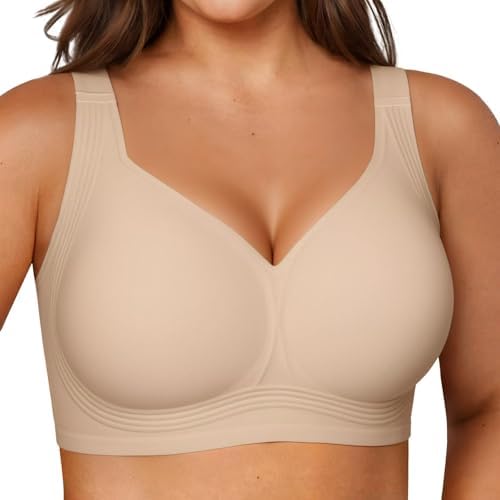

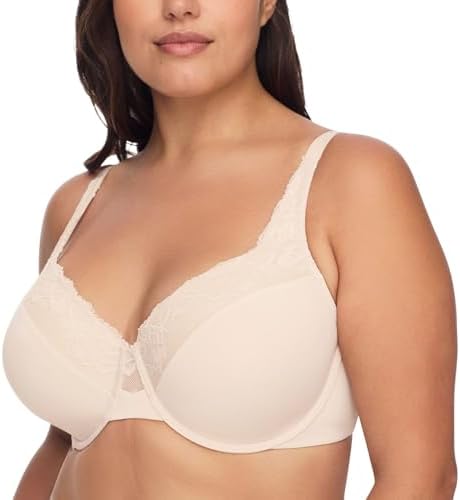


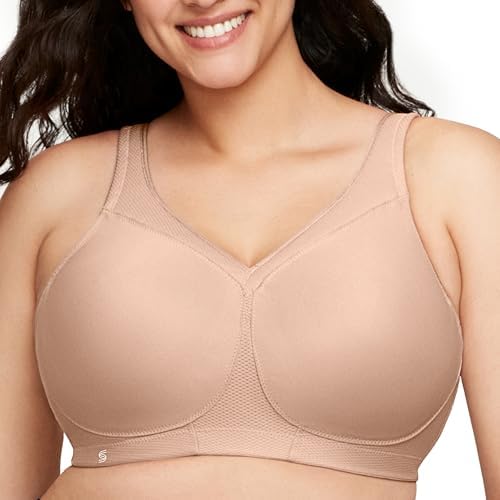

These designs significantly reduce hand strain and offer a secure fit without requiring the wearer to twist or reach behind their back. A good closure should glide smoothly and stay locked throughout the day.
Comfortable, Gentle Materials
The ideal bra for limited mobility is crafted from soft, breathable fabrics that prevent irritation. Cotton blends, modal, microfiber, and seamless knits are popular because they provide comfort while
maintaining light support. A bra that feels soft against the skin is essential for seniors dealing with sensitivity, thin skin, or medical conditions.
Adaptive Support and Fit
Support doesn’t have to mean rigidity. A great front-closure bra for seniors incorporates wide straps, full-coverage cups, and wire-free designs that offer stability without pressure points.
For women with swelling, fluctuating breast size, or limited arm movement, stretchy materials and adjustable straps ensure a custom, secure fit.
Safety and Ease of Use
An often-overlooked factor is safety. Seniors with mobility challenges need bras that minimize the risk of shoulder
strain or losing balance while dressing. Front closures eliminate awkward twisting motions, making them safer and far easier to put on independently.
Summary
Ultimately, a high-quality front-closure bra for older adults blends ease of use, soft construction, adaptive support, and reliable closures, creating a garment that enhances confidence and daily comfort.
Top 5 Front-Closure Bras for Elderly Women: Editor’s Picks
Selecting the best front-closure bras for seniors with limited mobility can feel overwhelming due to the variety of options on the market.
To make it easier, we curated five top-rated models that excel in comfort, accessibility, and long-term support.
Each pick is tailored specifically for older women dealing with dexterity issues, shoulder stiffness, or arthritis.
1. Playtex 18-Hour Front-Close Wire-Free Bra
This classic choice offers exceptional comfort thanks to its wire-free design, wide cushioned straps, and breathable cups.
Seniors love its easy-to-use multi-hook front closure, which provides both accessibility and reliable support. It’s ideal for all-day wear.
2. Glamorise MagicLift Front-Closure Support Bra
Known for its MagicLift crisscross design, this bra lifts without underwire, making it gentle on sensitive skin.
The front hooks are large and simple to fasten, making it a favorite for women with limited hand strength or arthritis.
3. Underworks Arthritis Bra
Designed specifically for individuals with mobility limitations, this bra features Velcro-style closures that require almost no hand dexterity. It’s soft, stretchy, and provides moderate support—perfect for seniors who prioritize ease of dressing.
4. Fruit of the Loom Comfort Front-Close Sports Bra
A soft cotton blend makes this one great for everyday lounging or light activity. It slips on easily and snaps closed in the front, providing a secure but gentle fit. Many older women appreciate its flexibility and minimal seams.
5. Carer Adaptive Zipper Bra
Engineered for mobility challenges, this adaptive bra includes a smooth-glide zipper, protective placket, and wide sides for stability. It’s especially useful for seniors recovering from surgery or physical therapy.
Summary
Each of these editor-approved options balances comfort, support, and front-closure accessibility, making them reliable choices for seniors seeking independence and ease in their daily routine.
Easy-On, Easy-Off: Why Front Closures Are a Game-Changer for Seniors
For seniors facing reduced mobility, arthritis, or shoulder stiffness, dressing can become a physically demanding task. This is where front-closure bras for seniors with limited mobility truly shine.
Designed to simplify daily routines, these bras offer an “easy-on, easy-off” experience that minimizes strain, reduces discomfort, and restores confidence.
Effortless Dressing Without Awkward Movements
Traditional bras require twisting the arms backward or rotating the bra around the torso—both movements that can be painful or impossible for older adults.
Front-closure bras eliminate these motions. The user can simply pull the bra around the torso, bring the cups forward, and fasten it at the front. This reduces the risk of injury and allows seniors to maintain independence in dressing.
Improved Safety for Seniors with Balance Issues
Many seniors struggle with balance, making bending, twisting, or stretching risky. Front-closure bras significantly reduce these hazards
by keeping all fastening actions in front of the body and within the natural field of vision. This helps prevent falls or sudden loss of balance, a crucial benefit for older adults.
Reduced Hand Strain for Arthritis and Limited Dexterity
Front closures often feature larger hooks, zippers, or Velcro-style adaptive closures, which are far easier to manage than traditional small back hooks.
Seniors with arthritis or limited hand strength can fasten these bras with much less effort, ensuring greater comfort and autonomy.
Enhanced Comfort and Daily Convenience
Beyond accessibility, front-closure bras tend to offer wider bands, softer fabrics, and wire-free support, making them ideal for sensitive skin and long hours of wear.
The simplified dressing process also reduces daily stress and increases confidence, especially for seniors living alone.
Summary
The “easy-on, easy-off” design is more than a convenience—it’s a transformation in daily comfort and independence. For seniors seeking a practical, pain-free dressing experience, front-closure bras are truly a game-changing solution.
Best Materials and Fabrics for Comfort and Breathability
When choosing the best front-closure bras for seniors with limited mobility, the fabric matters just as much as the design.
Aging skin becomes thinner, more sensitive, and more prone to irritation, which means the wrong material can lead to itching, chafing, or heat buildup.
Understanding which fabrics work best helps seniors stay comfortable throughout the day while ensuring the bra remains easy to wear and maintain.
Cotton and Cotton Blends: Ideal for Sensitive Skin
Cotton remains one of the most recommended materials for seniors because it is naturally breathable, hypoallergenic, and gentle.
It absorbs moisture well, which prevents sweat buildup under the bust and around the band—two areas where irritation is common.
Cotton blends, especially those mixed with spandex or modal, add stretch without sacrificing softness, making them ideal for women who need flexibility due to limited mobility.
Modal: Silky Softness With Breathable Performance
Modal has become increasingly popular in adaptive and senior-focused undergarments. It feels smoother than cotton and drapes comfortably against the skin, reducing friction during movement.
Because seniors often prefer bras that don’t feel restrictive, modal’s light and flexible nature offers an almost weightless wearing experience.
Microfiber: Lightweight Support and Cooling
Microfiber is an excellent option for seniors who prefer bras that wick moisture and regulate temperature. The fine fibers create a lightweight, smooth texture that doesn’t cling to the skin.
This is especially beneficial for seniors living in warm climates or those who experience heat sensitivity due to medications or hormonal changes.
Power Mesh and Stretch Panels: Practical, Not Just Decorative
Many of the best front-closure bras include small sections of power mesh or stretch-knit fabrics. These areas
offer targeted support while allowing the bra to adapt to body changes throughout the day—such as swelling caused by fluid retention or arthritis medication.
Why Fabric Choice Matters
For seniors with limited mobility, the right material enhances comfort, reduces skin discomfort, and ensures the bra remains easy to put on and remove. A well-chosen fabric can transform the entire wearing experience.
How to Choose the Right Size When Dexterity Is Limited
Finding the correct size in a front-closure bra for seniors with limited mobility can make the difference between all-day comfort and constant irritation.
However, measuring accurately can be challenging when bending, stretching, or lifting the arms is difficult.
The goal is to simplify the process and ensure the bra fits securely without causing pressure points.
Start With a No-Lift Measuring Method
Traditional bra sizing instructions often require lifting the arms or holding a tape measure behind the body—movements many seniors cannot perform safely. Instead, use a front-only measurement technique:
- Sit comfortably in a straight-backed chair.
- Wrap the measuring tape around the ribcage just under the bust, keeping it level in the front.
- Do not tighten the tape; let it rest lightly against the skin.
- Round to the nearest whole number—this becomes the band size reference.
This method avoids twisting or reaching behind the back, making it safer and more accessible.
Measuring the Bust Without Arm Strain
For the bust measurement, the tape should sit around the fullest part of the chest. If lifting the arms is difficult, the tape can be slid gently across the lap and raised only enough to reach chest height.
Having a caregiver assist is helpful but not mandatory—many seniors can do this independently when seated.
Consider Body Changes Common With Aging
Fluctuations in weight, posture shifts, and natural breast tissue softening can affect sizing. Seniors who experience swelling from medications or fluid retention may benefit from bras with:
- Stretch panels,
- Adjustable straps,
- Flexible cups,
- Front closures with multiple hooks for micro-adjustments.
Try Adaptive Sizing Options
Some front-closure bras offer simplified sizes such as S–3XL, which can be more forgiving than traditional band-and-cup combinations. These can be ideal for seniors seeking an easier fit without sacrificing support.
Choosing the right size becomes less about precision and more about achieving a comfortable, secure fit that is easy to manage daily.
Wire-Free vs. Underwire: Which Is Better for Older Adults?
When selecting the best front-closure bras for seniors with limited mobility, one of the most important decisions is choosing between wire-free and underwire designs.
Both have advantages, but they serve different needs depending on comfort preferences, breast shape, sensitivity, and mobility limitations.
Wire-Free Bras: Comfort First
Wire-free bras are the top choice for most seniors because they remove the pressure and rigidity associated with underwire.
As the body ages, the skin becomes thinner and more sensitive, making hard edges uncomfortable. Wire-free cups provide a soft, flexible structure that adapts to natural breast shape.
These bras are also ideal for seniors dealing with:
- Breast tenderness
- Post-surgery recovery
- Arthritis or shoulder pain
- Long periods of wear
Because they rely on supportive fabrics and wider bands, wire-free bras feel more forgiving, especially for women who want easier dressing and a lightweight feel.
Underwire Bras: When Extra Lift Is Needed
Underwire bras still have a place for older adults—particularly those with larger busts seeking extra lift and separation.
The wire creates a defined shape without requiring as much compression, which some find more aesthetically pleasing.
However, underwire styles are generally less comfortable for seniors with mobility limitations because:
- The wire may press into the ribs when seated.
- Stiff structure can make positioning the bra more difficult.
- Sensitive skin may react to constant contact.
If choosing an underwire bra, look for padded casing, flexible wires, and soft-cup construction.
Finding the Right Match
Most seniors ultimately gravitate toward wire-free front-closure bras because they offer a balance of ease, comfort, and moderate support.
Underwire options can work well for those who prioritize defined lift and don’t experience sensitivity or discomfort.
The choice depends on individual preference—but mobility limitations, skin sensitivity, and daily comfort typically make wire-free styles the more practical and senior-friendly option.
Adaptive Bras vs. Regular Front-Closure Bras: Key Differences
While both adaptive bras and standard front-closure bras aim to simplify dressing, they are built for different levels of mobility needs.
Choosing between the two depends on how much assistance or ease a senior requires when putting on and removing a bra.
Understanding these distinctions helps ensure that older adults get a bra that truly supports their daily routine.
Designed With Mobility Challenges in Mind
Regular front-closure bras already offer convenience by placing the fastening mechanism at the front, eliminating the need to reach behind the body.
However, adaptive bras take accessibility further, using closures and materials specifically engineered for seniors with moderate to severe mobility limitations.
Adaptive bras may include:
- Velcro-style closures instead of hooks
- Magnetic clasps that snap together automatically
- Zippers with large pull tabs
- Stretchy step-in designs for those who can’t raise their arms
These features allow seniors with arthritis, tremors, or limited hand strength to dress with less effort.
Differences in Structure and Support
Front-closure bras typically resemble traditional bras in structure but with easier access. They often have molded cups, adjustable straps, and hook-and-eye closures.
Adaptive bras focus on flexibility and comfort rather than shaping. They tend to use softer fabrics, wider bands, and smooth interiors to prevent irritation.
While they may offer lighter lift compared to standard front-closure bras, they provide a more forgiving fit—ideal for seniors experiencing swelling or fluctuating breast size.
Who Should Choose Which Style?
- Regular front-closure bras are great for seniors who can use their hands comfortably but want easier dressing and better support.
- Adaptive bras are the better choice for those with arthritis, limited dexterity, recent surgeries, or conditions affecting balance or grip.
Understanding these differences ensures seniors select a bra that not only fits but genuinely supports their mobility abilities.
Care and Maintenance Tips for Long-Lasting Front-Closure Bras
Proper care is essential to extend the lifespan of any bra, but it becomes especially important for front-closure bras for seniors with limited mobility.
These bras rely on closure systems, softer fabrics, and supportive stitching that must remain intact to ensure comfort and ease of use.
With the right maintenance routine, seniors can keep their bras in excellent condition without adding unnecessary complexity to their daily routine.
Gentle Washing Preserves Fabric and Closures
Front-closure bras often include larger hooks, Velcro-style fastenings, or zippers—all components that can wear down quickly if washed too aggressively.
The best approach is to use cold water and a gentle detergent. Washing by hand is ideal, but if hand-washing is not practical, placing bras in a mesh laundry bag and
selecting the delicate cycle works well. Avoid harsh detergents or fabric softeners, which can weaken elastic fibers and reduce stretch.
Avoid Heat to Protect Elastic and Shape
Heat is the biggest enemy of elastic. Seniors should avoid dryers entirely when possible. Instead, lay bras flat to air-dry on a clean towel.
Hanging bras by the straps can stretch them out over time, especially with front-closure designs where weight pulls differently. Air-drying preserves elasticity, cup structure, and fabric softness, ensuring long-term comfort.
Inspect Closures Regularly
For seniors who depend on front closures for accessibility, it’s important to check hooks, zippers, and Velcro periodically.
Loose stitching or bending can make the bra harder to put on or reduce security. Repairing a loose hook or tightening a stitch early prevents more costly damage later.
Rotate Between Multiple Bras
Wearing the same bra daily accelerates wear. Having at least two or three bras in rotation allows the elastic to rest between uses, maintaining support and shape much longer. This simple habit also ensures seniors always have a clean, dry bra ready to wear.
Caring for a bra properly not only extends its lifespan but also preserves the comfort and accessibility seniors rely on.
Pros and Cons of Front-Closure Bras for Seniors
Front-closure bras offer significant advantages for older adults, especially those with mobility limitations, but they also come with considerations that seniors should understand before choosing a style.
Evaluating both sides helps determine whether this type of bra is the best match for daily comfort and independence.
Pros
1. Easier to Put On and Take Off
The biggest benefit is accessibility. Seniors don’t need to reach behind their back or twist their torso—movements that can be difficult or painful for individuals with arthritis, shoulder stiffness, or limited range of motion. Everything happens at the front, within comfortable reach.
2. Reduced Risk of Shoulder and Back Strain
Since front-closure bras eliminate awkward motions, they greatly reduce strain on the upper body. This is especially helpful for seniors recovering from surgery or those with chronic pain conditions.
3. Wide, Supportive Bands
Most front-closure bras feature wider bands and straps to ensure stability. This design not only improves posture but also distributes weight more evenly, decreasing pressure on the shoulders.
4. Adaptive Options for Greater Accessibility
Some front-closure models incorporate Velcro, magnetic clasps, or zippers—ideal for seniors with very limited dexterity. These features can restore independence and simplify dressing routines.
Cons
1. Limited Adjustment Options
Many front-closure bras include fewer hook settings compared to back-closure bras. This can reduce customization, especially for seniors whose body size fluctuates due to medication, swelling, or weight changes.
2. Less Lift in Some Wire-Free Designs
While wire-free bras prioritize comfort, they may offer less lift for women with larger busts. Seniors seeking more shaping may need to explore specific supportive models.
3. Potential for Closure Wear
Because the closure is used more frequently and bears more tension, hooks or Velcro may wear faster. Regular inspection helps avoid fastening issues over time.
Understanding these pros and cons helps seniors choose a bra that truly aligns with their mobility needs, comfort preferences, and lifestyle.
Finding the Perfect Bra for Your Needs
Choosing the best front-closure bras for seniors with limited mobility is ultimately about comfort, independence, and practicality.
The right bra shouldn’t just fit—it should make daily dressing easier, reduce strain, and feel gentle against aging skin.
Seniors benefit most from designs that simplify movement, avoid pressure points, and use fabrics that breathe and stretch throughout the day.
Whether someone needs a simple hook-and-eye closure or a fully adaptive system like Velcro or magnetic clasps, the final choice should reflect their mobility level and personal preference rather than a one-style-fits-all solution.
Front-closure bras make a tremendous difference for anyone dealing with arthritis, stiffness, shoulder pain, or reduced dexterity.
They minimize twisting motions, protect joints, and allow seniors to dress independently—sometimes for the first time in years.
With so many thoughtful designs available, older adults can prioritize both comfort and confidence without compromising support.
Below are some frequently asked questions that help clarify common concerns when choosing this type of bra.
FAQ
1. Are front-closure bras supportive enough for larger busts?
Yes—many models include reinforced bands, wider straps, and molded cups designed to lift without relying on a back clasp.
Seniors with fuller busts may prefer wire-free bras with strong inner support panels or flexible underwire options that feel less rigid.
2. Are Velcro or magnetic closures safe for people with pacemakers?
Magnetic closures should be avoided by individuals with pacemakers unless cleared by a doctor. Velcro, zipper, and large-hook options are generally safer alternatives.
3. How many front-closure bras should a senior own?
A rotation of two to three bras is ideal. This prevents overstretching, allows fabrics to rest, and ensures a clean bra is always available.
4. Can front-closure bras help after surgery?
Absolutely. Many seniors use them after shoulder, breast, or heart-related procedures because they eliminate painful movements and make dressing easier during recovery.