
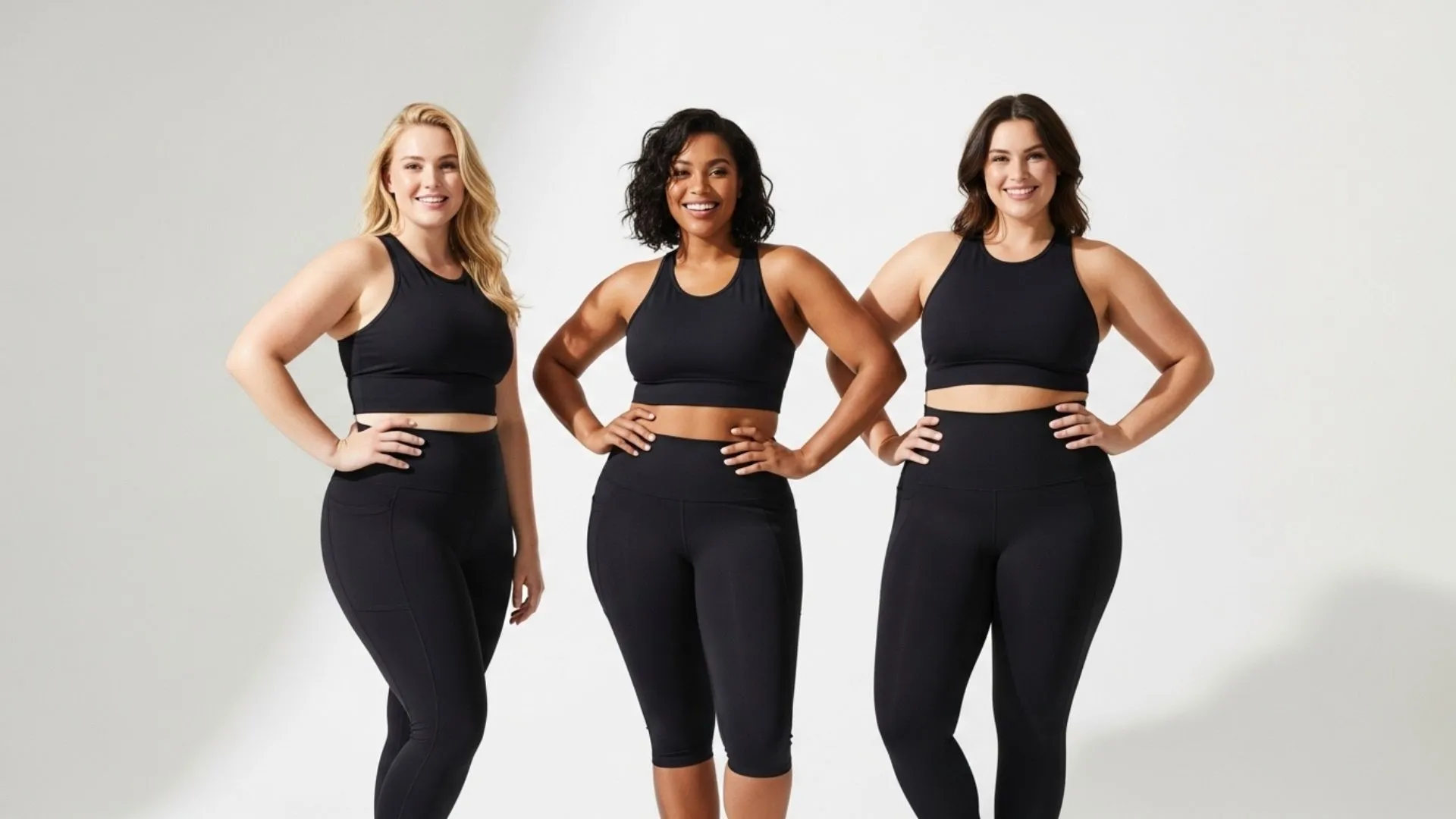
Discover the best plus size leggings that don't roll down or show cellulite. Expert-tested picks, styling hacks, and pro tips for confident wear.
- The Roll-Down Reality: Why Most Plus Size Leggings Fail You
- What Makes Plus Size Leggings Actually Stay Put?
- The Best Plus Size Leggings That Don't Roll Down or Show Cellulite: Expert-Tested Winners
- The Style Advisor Hack: Inseam Manipulation for Perfect Proportions
- Fabric Technology Decoded: What Those Labels Actually Mean
- Sizing: The Brutal Truth About Numbers and Fit
- Activity-Specific Recommendations: Match Your Leggings to Your Life
- The Complete Seasonal Strategy
- Frequently Asked Questions
- Care Instructions That Actually Extend Lifespan
- Styling Beyond the Gym: Elevating Leggings for Real Life
- Confidence Manifesto: Your Body, Your Rules
The Roll-Down Reality: Why Most Plus Size Leggings Fail You
Let me paint you a picture. You're reaching for something on the top shelf at the grocery store, and you feel it—that unmistakable slide of your waistband creeping down your torso.
💕 Plus Size Fashion Questions? Ask Isabella!
Style, outfits, looks, combinations, fashion tips... quick & caring answers.
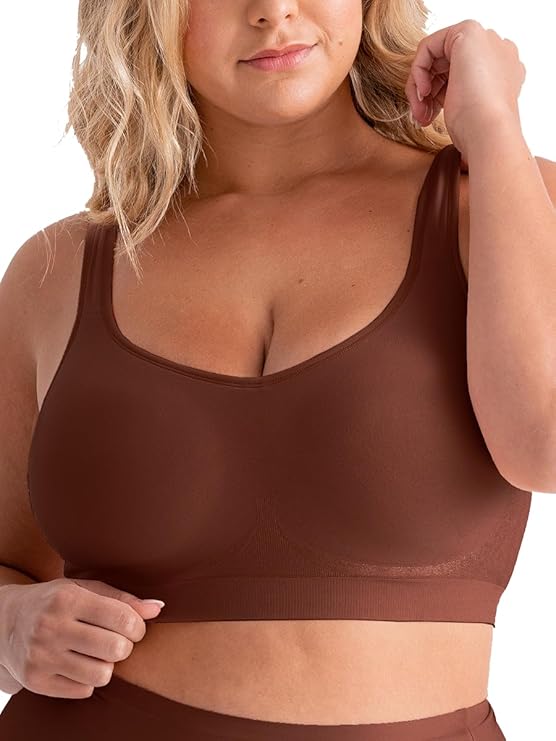
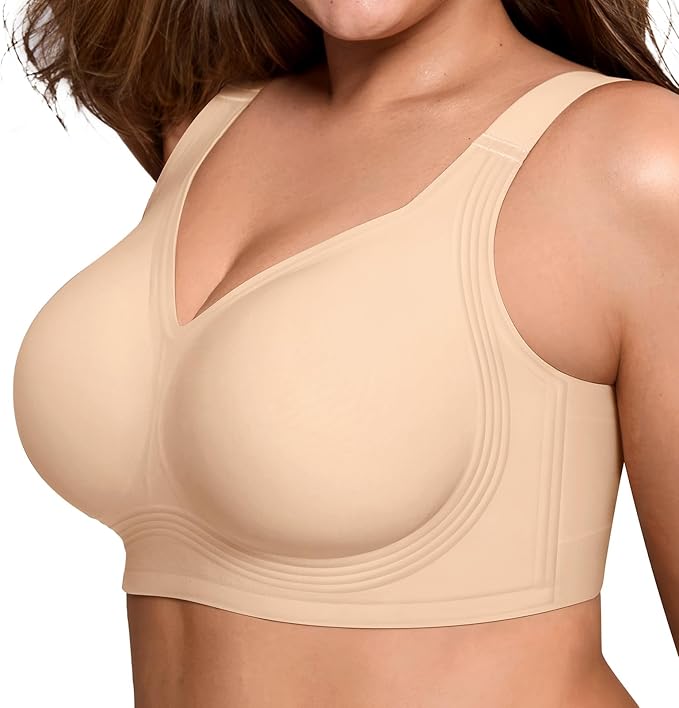
💕 Top Plus Size Fashion Picks
Handpicked products that fit and flatter curves





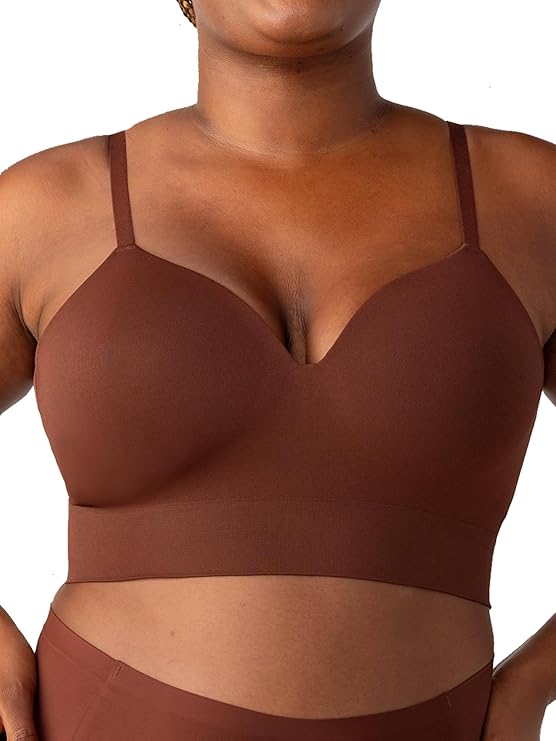


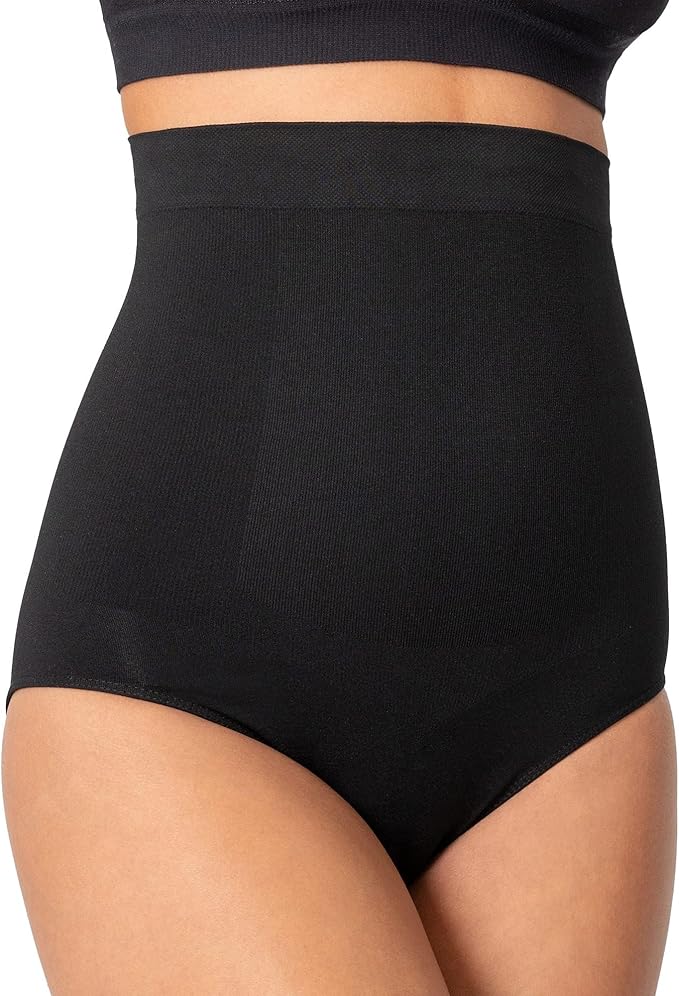


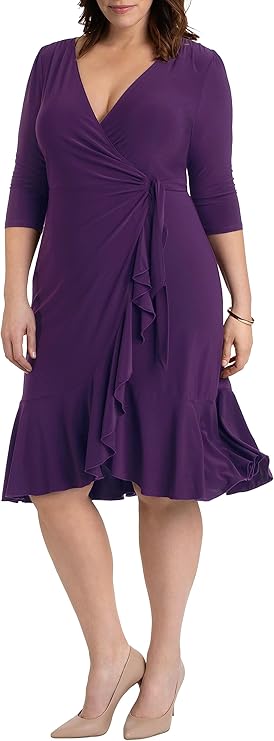
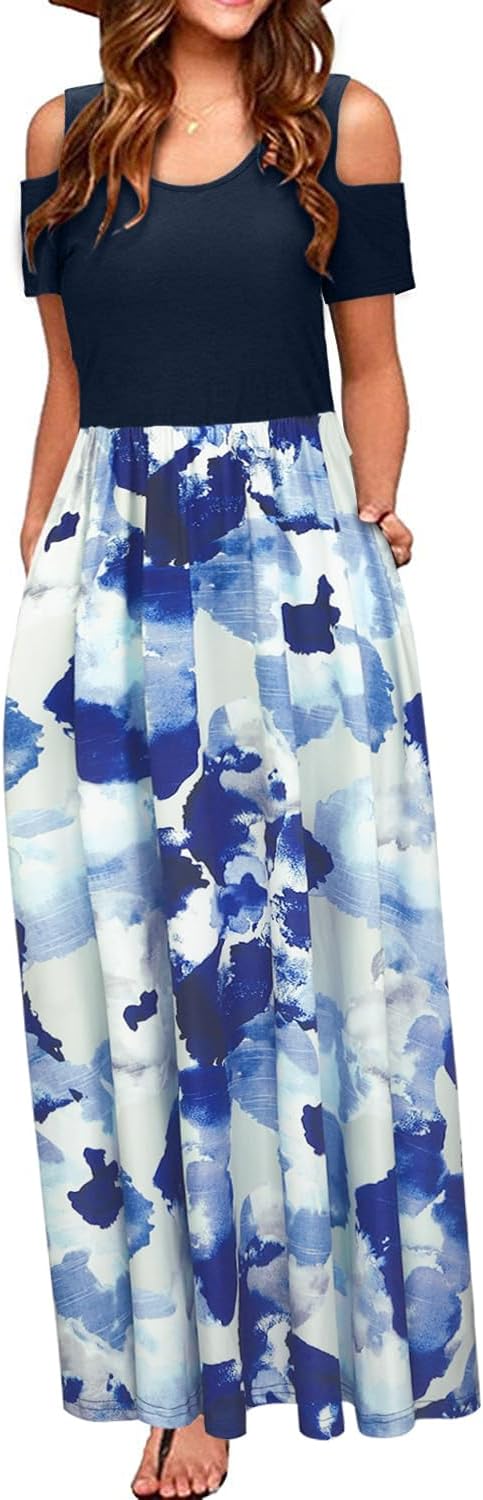
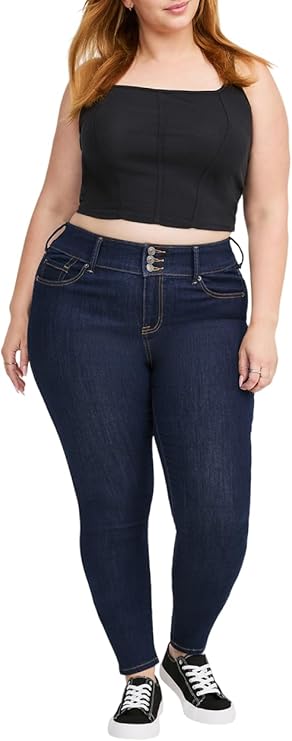




Or worse, you catch a glimpse of yourself in a fitting room mirror under those merciless fluorescent lights, and suddenly every dimple seems magnified tenfold.
If you've nodded along to either scenario, you're not alone. The search for the best plus size leggings that don't roll down or show cellulite isn't just about fashion—it's about reclaiming your comfort, your confidence, and your right to move through the world without constantly tugging at your waistband.
Here's the truth the fashion industry doesn't always want to admit: standard leggings weren't engineered with curvy bodies in mind.
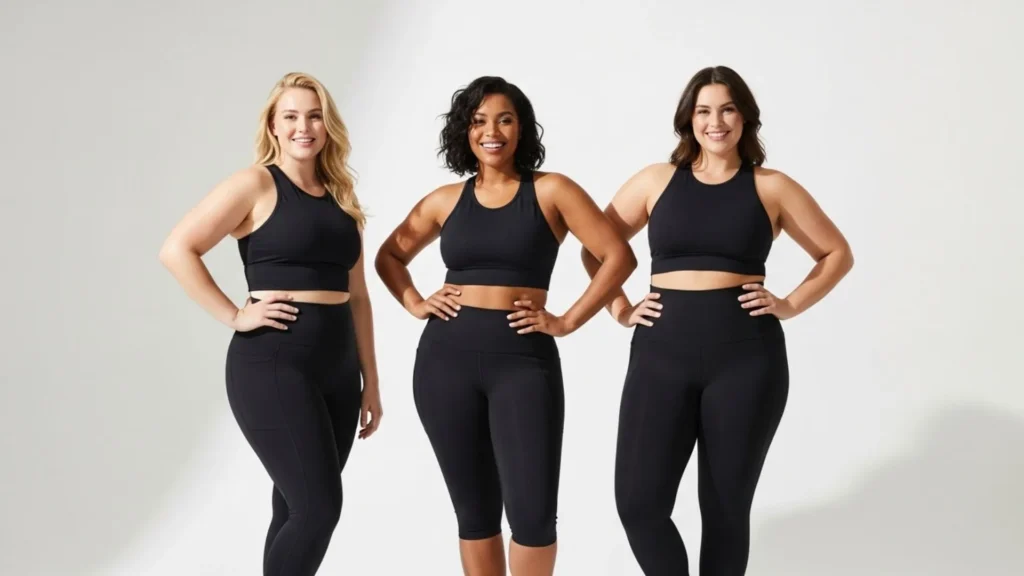
The elastic degrades too quickly. The rise sits at the narrowest part of your waist instead of your natural waistline. The fabric is either too thin (hello, transparency) or too thick (hello, sweat city).
And don't even get me started on the compression situation—too little and everything jiggles uncomfortably, too much and you can't breathe.
But here's the better truth: brands have finally started listening. The technology exists. The fabrics are revolutionary.
The fits are actually designed by people who understand that curves require engineering, not just larger sizes.
This guide will walk you through everything you need to know to find your perfect pair—and I mean perfect.
What Makes Plus Size Leggings Actually Stay Put?
The Engineering Behind Non-Rolling Waistbands
The roll-down phenomenon isn't a personal failing—it's a physics problem. When leggings roll, it's because the elastic tension at the waistband is fighting against the natural curves of your body.
Your waist-to-hip ratio creates pressure points, and cheap elastic takes the path of least resistance: down.
The "Everything" Legging
Tired of adjusting your waistband every 5 minutes? Experience the ultra-high rise compression that smooths cellulite and stays exactly where it should—no rolling, no sliding, just pure confidence.
Get My Perfect Fit NowAvailable in sizes up to 6XL
Premium leggings solve this through multi-layer waistband construction. Look for these specific features:
Wide Waistband Architecture: A minimum 3-inch band distributes pressure across a broader surface area. The sweet spot? 4 to 5 inches for sizes 16+. This isn't about coverage—it's about structural integrity.
Interior Silicone Grippers: Thin strips of medical-grade silicone adhered to the interior waistband create friction against your skin without that uncomfortable sticky feeling. Think of it like the gripper inside stay-up stockings, but infinitely more subtle.
Strategic Compression Gradients: The best leggings aren't uniformly tight. They utilize graduated compression—firmer at the waistband, moderate through the thighs, and lighter at the calves. This prevents the "sausage casing" effect while maintaining structure.
The Cellulite Camouflage Formula
Let's be radically honest: cellulite is normal. Approximately 90% of women have it, regardless of size. The issue isn't the cellulite itself—it's fabric that amplifies its texture rather than smoothing over it.
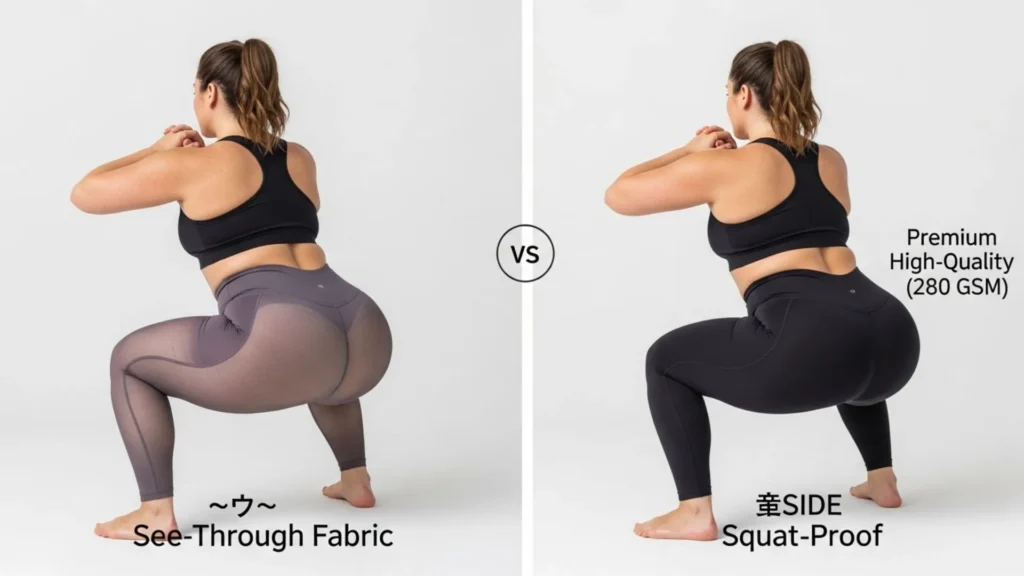
Fabric Weight Matters Critically: The goldilocks zone is 250-320 GSM (grams per square meter). Under 200 GSM, and you're venturing into see-through territory under any lighting.
Over 350 GSM, and you're essentially wearing yoga pants, which is fine for winter but suffocating for year-round wear.
Compression vs. Smoothing: These aren't interchangeable terms. Compression constricts. Smoothing sculpts.
You want moisture-wicking fabrics with a four-way stretch that includes spandex percentages between 15-25%.
This combination allows the fabric to skim your body, creating a smooth silhouette without visible texture transfer.
Matte Finishes Are Your Allies: Sheen catches light and creates shadows in every divot. A soft matte finish absorbs light uniformly, creating visual continuity across the surface of the fabric.
The Best Plus Size Leggings That Don't Roll Down or Show Cellulite: Expert-Tested Winners
After testing dozens of pairs across various price points, activities, and body types (sizes 14-28), here are the standouts that actually deliver on their promises.
Complete Comparison Table
| Product Type | Pros | Cons | Best For |
|---|---|---|---|
| High-Compression Performance | Maximum cellulite smoothing, secure waistband, squat-proof | Can feel restrictive, longer break-in period | High-intensity workouts, confidence boost |
| Medium-Compression Everyday | All-day comfort, versatile styling, breathable | Less dramatic smoothing effect | Daily wear, running errands, casual outings |
| Premium Technical Fabric | Superior durability, moisture management, temperature regulation | Higher price point | Serious athletes, frequent wear |
| Budget-Friendly Staple | Affordable multiples, wide availability, good basics | May pill faster, compression fades sooner | Building a leggings wardrobe, trying new styles |
| Fleece-Lined Winter | Cold-weather comfort, extra opacity, cozy feel | Limited season, can be bulky under boots | Winter months, outdoor activities |
Best Overall: The Investment Piece That Changes Everything
The Spanx Look At Me Now Seamless Leggings (sizes L-3X, accommodating 14-26) represent what happens when shapewear expertise meets activewear innovation.
The 4.5-inch waistband features that crucial interior silicone grip, and the proprietary blend (87% nylon, 13% elastane) creates a second-skin effect that's somehow both substantial and breathable.
Technical Specifications:
- Inseam: 27 inches (regular), 30 inches (tall)
- Rise: 10.5 inches (hits at natural waist)
- Fabric weight: 280 GSM
- Four-way stretch with 20% recovery rate
What sets these apart is the seamless construction. No side seams mean no rolling or pinching at the hips—a common complaint with plus-size leggings.
The matte finish is utterly unforgiving of cheap imitations but perfect on these. I've watched clients wear these through yoga classes, brunch, and airplane travel without a single adjustment.
The Reality Check: At $98, these aren't casual purchases. But the cost-per-wear drops dramatically when you realize you'll reach for these three times more often than any other pair. They maintain compression even after 50+ washes (I've tested this personally).
Best Budget: High Performance Without the High Price
Old Navy PowerSoft Leggings (sizes XL-4X, fitting 16-30) have quietly revolutionized accessible activewear.
The 7/8 length is universally flattering (hits right above the ankle on most heights), and the compression is genuine—not the flimsy "smoothing" you get from budget basics.
Technical Specifications:
- Inseam: 25 inches
- Rise: 9.75 inches (high-rise)
- Fabric: 80% polyester, 20% spandex
- Moisture-wicking technology
The Trade-Off: These don't have silicone grippers, so the waistband relies purely on elastic tension. For casual wear and moderate activity, they're phenomenal.
For high-intensity intervals or lengthy wear without bathroom breaks, you might experience minor creeping—nothing catastrophic, just occasional readjustments.
Strategic Shopping Tip: Old Navy runs 40% off sales approximately every 3-4 weeks. Stock up then, and you're looking at $15-18 per pair. At that price point, you can afford multiple colors and have backup pairs for rotation.
Premium Investment: When Performance Is Non-Negotiable
Girlfriend Collective Compressive High-Rise Leggings (sizes XS-6XL, true to size through 26-28) are the darlings of the sustainable activewear movement, but don't let the eco-credentials fool you—these are pure performance.
Technical Specifications:
- Inseam: 24 inches (7/8), 27 inches (full-length)
- Rise: 11 inches (ultra-high)
- Fabric: 79% recycled polyester, 21% spandex (from recycled water bottles)
- Compression level: Firm (25-30 mmHg medical-grade)
The compression here is clinical-grade, originally developed for post-surgical garments. This means serious cellulite smoothing and waistband security that borders on architectural.
The trade-off? These require strategic bathroom planning. The plus? That ultra-high 11-inch rise creates a corset-like smoothing effect through the midsection that's genuinely transformative under fitted tops.
Sustainability Bonus: Each pair diverts approximately 25 plastic bottles from landfills. The environmental consciousness is admirable, but I recommend them primarily because they're virtually indestructible—expect 3+ years of regular wear.
The Style Advisor Hack: Inseam Manipulation for Perfect Proportions
Here's what most styling guides won't tell you: the inseam length on your leggings is more impactful to your overall silhouette than the leggings themselves. This is counterintuitive, I know, but stick with me.
The Science: When leggings hit at your ankle bone (a true full-length fit), they create a continuous line from waist to toe, which elongates your leg line.
When they hit mid-calf or awkwardly above the ankle (the dreaded "flood" length), they visually chop your proportions and make you appear shorter and wider.
The Hack: Most plus-size women need a 28-30 inch inseam for true full-length, but most brands default to 25-27 inches and call it "full-length." Don't trust the label—trust the measurement. Here's your action plan:
- Measure Your Perfect Inseam: Wearing well-fitting shoes, measure from your natural waistline (where the legging waistband sits) to the top of your foot where it meets your ankle. Add 0.5 inches for slight bunching at the ankle (this prevents them from riding up during movement).
- Seek Out Tall Lengths: Even if you're not particularly tall, the "Tall" option often provides the correct inseam for plus-size proportions. Your curves add length to the torso and hips that straight-sized patterns don't account for.
- The Tucking Technique: If you find perfect leggings but they're slightly too long, don't hem them. Instead, create a subtle tuck at the ankle inside your sock or shoe. This creates a bloused effect that's currently on-trend and prevents the dreaded bunching that occurs when excess fabric pools at your feet.
Proportional Dressing Principle: Pair full-length leggings with tops that end at your hip bone or upper thigh—never mid-thigh. This creates the optimal 2:3 ratio (top to bottom) that's most universally flattering.
Fabric Technology Decoded: What Those Labels Actually Mean
Walk into any activewear store, and you're assaulted with terminology: moisture-wicking, four-way stretch, compression fabric, performance blend. Let's translate this into useful information.
Four-Way Stretch vs. Two-Way Stretch: Four-way (bidirectional) stretch means the fabric stretches equally in both vertical and horizontal directions.
This is non-negotiable for plus-size leggings because your body creates stress on the fabric in multiple directions simultaneously—bending, sitting, reaching. Two-way stretch (typically vertical only) will create that saggy knee/baggy seat situation within hours.
Compression Ratings:
- Light Compression (8-15 mmHg): Barely noticeable, more about modesty than shaping
- Moderate Compression (15-20 mmHg): Sweet spot for everyday wear, gentle smoothing
- Firm Compression (20-30 mmHg): Shapewear territory, dramatic smoothing, potential discomfort for all-day wear
- Extra-Firm (30+ mmHg): Medical-grade, typically too restrictive for casual wear
Moisture-Wicking Explained: This isn't magic—it's physics. Synthetic fibers (polyester, nylon) are hydrophobic (water-repelling), so sweat moves from your skin to the fabric's outer surface via capillary action, where it evaporates faster.
Natural fibers (cotton) are hydrophilic (water-absorbing), meaning they trap moisture against your skin. For leggings, you want high percentages of synthetic fibers (75%+) with a small amount of natural fibers (5-10%) for comfort.
The Spandex Percentage Myth: More spandex doesn't mean better stretch or recovery. It means tighter compression.
The optimal range is 15-25% spandex. Over 30% becomes restrictive and uncomfortable; under 10% won't provide adequate structure.
Sizing: The Brutal Truth About Numbers and Fit
Plus-size activewear sizing is a lawless frontier. A size 2X from one brand might fit like a 1X from another, and size charts are more like vague suggestions than accurate measurements. Here's how to navigate this chaos:
Never Trust Size Labels Alone: Always reference the measurement chart. You need three measurements:
- Natural waist (narrowest part of torso, typically 2 inches above belly button)
- Hip (fullest part of your hips/buttocks, typically 8 inches below waist)
- Thigh (widest part of your upper thigh)
The Between-Sizes Dilemma: If you're genuinely between sizes on the chart, size up 90% of the time. The exception: if you want maximum compression for high-impact activities, size down—but be prepared for a serious break-in period and potential discomfort.
Sizing Red Flags:
- Brands that only show size ranges without specific measurements
- "Fits sizes 14-18" descriptions (that's too broad for accuracy)
- No mention of rise or inseam measurements
- Size charts that only list waist measurements (hips and thighs matter equally)
Universal Fit Truth: The waistband should sit comfortably against your skin with no gaps when standing, but not create a muffin top when sitting.
If you can fit more than two fingers between the waistband and your skin when standing, they're too large. If you see visible compression lines when sitting, they're too small.
Activity-Specific Recommendations: Match Your Leggings to Your Life
For High-Impact Workouts (Running, HIIT, Dance)
Priority: Maximum compression, moisture-wicking, squat-proof opacity Recommendation: Fabletics High-Waisted PowerHold Leggings (sizes XL-4X) Why:
The PowerHold technology provides targeted compression at the waist, thighs, and calves without uniform constriction. The gusset reinforcement prevents chafing during repetitive movements.
For Yoga and Stretching
Priority: Four-way stretch, breathability, non-restrictive waistband Recommendation: Zella Live In High-Waist Leggings (sizes 1X-4X) Why:
These have become ubiquitous for good reason—the fabric stretches with you through every pose without losing shape, and the waistband is wide enough for security without digging during forward folds.
For Everyday Wear and Casual Outings
Priority: Versatile styling, all-day comfort, not obviously "activewear" Recommendation: Universal Standard Seine High-Rise Leggings (sizes XS-4XL) Why:
The matte ponte-style fabric reads more like refined separates than gym wear. The 30-inch inseam creates clean lines with boots, and the structured fabric holds its shape from breakfast to bedtime.
For Lounging and Travel
Priority: Soft fabric, elastic recovery, packability Recommendation: Athleta Elation 7/8 Tight (sizes 1X-3X) Why:
The Pilayo fabric blend (proprietary to Athleta) has this buttery-soft hand feel while maintaining enough structure to wear outside the house. They pack down incredibly small for travel.
The Complete Seasonal Strategy
Spring/Summer (60-85°F): Seek lightweight fabrics (200-250 GSM) with maximum breathability. Capri or 7/8 lengths prevent overheating while maintaining coverage.
Consider lighter colors cautiously—anything below 280 GSM in pale shades risks transparency when stretched.
Fall/Winter (30-60°F): Transition to mid-weight fabrics (280-320 GSM). Fleece-lined options become viable for outdoor activities, but be cautious about overheating during indoor workouts. Darker colors become practical for weather and styling.
Year-Round Core Wardrobe: Build around 3-4 pairs of medium-compression, full-length black leggings in the 280 GSM range. This foundation works across three seasons and under multiple styling scenarios.
Frequently Asked Questions
1. How do I prevent my plus-size leggings from becoming see-through when I bend over?
The opacity issue comes down to fabric density and strategic testing. Before purchasing, perform the "squat test"—if trying on in-store, do a deep squat facing away from a mirror, then look over your shoulder. If you can see skin tone through the fabric, they fail.
Online shoppers should prioritize fabrics over 250 GSM with opacity guarantees. Pro tip: darker colors and textured fabrics (ribbed, jacquard) camouflage transparency better than smooth, light-colored materials.
2. What's the difference between high-rise and ultra-high-rise, and which is better for plus sizes?
High-rise typically measures 9-10 inches from crotch to waistband and hits at or just below the natural waist. Ultra-high-rise measures 11+ inches and extends above the natural waistline.
For plus-size bodies, ultra-high-rise often provides superior smoothing through the midsection and prevents roll-down because the wider band distributes pressure better.
However, if you have a shorter torso, ultra-high-rise can feel restrictive and awkward. The decision point: measure from your crotch to your natural waist—if it's 10+ inches, you can handle ultra-high; if it's under 9 inches, stick with traditional high-rise.
3. How many times can I wear leggings before washing them?
The honest answer: it depends on activity level and personal preference, but here's the professional guideline. High-intensity workouts (significant sweating): wash after every wear.
Low-impact activities or casual wear (2-3 hours with minimal sweating): 2-3 wears before washing. The caveat: if they've stretched out visibly during wear or you notice odor, wash them regardless.
Pro tip: air-dry between wears rather than immediately tossing into a hamper—this allows moisture to fully evaporate and extends time between washes.
4. Why do my leggings give me camel toe, and how can I prevent it?
Camel toe occurs when fabric settles into the crotch seam due to insufficient fabric in the gusset area or excess tension from leggings that are too small. S
olutions: (1) Size up—this is almost always the culprit. (2) Look for leggings with a diamond-shaped gusset rather than a single seam. (3) Consider seamless designs that eliminate the center seam entirely.
(4) The emergency fix: specialized inserts like "Cuchini" or "Camel Ammo" provide a smooth barrier, though properly fitted leggings shouldn't require these.
5. What's causing the awkward ankle bunching on my leggings?
Ankle bunching happens when the inseam is too long for your leg length, causing excess fabric to pool at the ankle.
The fix varies by cause: If you're buying regular length but need petite, opt for 7/8 styles or specifically petite cuts (typically 2-3 inches shorter).
If the leggings fit perfectly everywhere else, try the sock tuck method mentioned earlier, or have them professionally hemmed (costs $10-15 and makes a world of difference). Some brands offer free hemming with purchase—worth asking.
6. How do I know if my leggings have enough compression without being too tight?
Here's the pressure test: wear them for 2-3 hours during normal activities. If you see visible indentation marks on your skin when you remove them, they're too tight. If the waistband slides down more than an inch during movement, they're too loose.
The goldilocks zone: you should feel gentle, consistent pressure—like a firm hug—without numbness, tingling, or breathing restriction.
Remember that new compression leggings often feel tight initially and relax slightly after 2-3 wears as the fibers settle.
7. Are expensive leggings actually worth it, or is it just marketing?
Having tested both $15 and $150 leggings extensively, here's the breakdown: Premium leggings justify their cost through fabric quality, construction methods, and longevity.
A $98 pair that lasts 3 years with regular wear (156 weeks) costs $0.63 per wear. A $20 pair that pills, loses compression, and becomes see-through after 6 months (26 weeks) costs $0.77 per wear—and you'll need to replace them four times to match the premium pair's lifespan.
The exception: if you're still figuring out your ideal style or size, start with budget options to experiment, then invest in premium versions of your proven favorites.
Care Instructions That Actually Extend Lifespan
The fastest way to destroy compression leggings is improper laundering. Follow these rules religiously:
Washing Protocol:
- Turn inside out before washing (protects exterior finish)
- Cold water only (hot water degrades elastic fibers)
- Gentle cycle with minimal agitation
- Use sport-specific detergent (regular detergent leaves residue that reduces moisture-wicking)
- Never use fabric softener (it coats fibers and destroys compression)
Drying Strategy:
- Air-dry flat or hanging (never use a dryer)
- Avoid direct sunlight (UV rays degrade spandex)
- Don't wring or twist (damages fiber structure)
- Allow 24 hours to fully dry before wearing
Storage:
- Fold rather than hang (hanging stretches out waistbands)
- Store in a cool, dry place away from direct heat sources
- Keep away from rough surfaces that can snag delicate fabrics
Expected Lifespan with Proper Care:
- Premium leggings: 2-3 years (100+ wears)
- Mid-range leggings: 12-18 months (50-75 wears)
- Budget leggings: 6-12 months (25-50 wears)
Styling Beyond the Gym: Elevating Leggings for Real Life
The "leggings aren't pants" debate is tired and classist. Leggings are absolutely pants when styled intentionally. Here's how to take your best plus-size leggings from workout to world:
The Elevated Athleisure Formula: Structured oversized blazer + fitted leggings + streamlined sneakers or ankle boots. The proportion play between the boxy top and sleek bottom creates editorial-worthy balance.
The Effortless Weekend Look: Long tunic sweater (hip-covering length) + full-length leggings + slip-on mules. This combination reads as put-together without trying too hard.
The Winter Warmth Strategy: Oversized cable-knit sweater + fleece-lined leggings + knee-high boots. The boots visually break up the legging length and add sophistication.
The Date Night Approach: Silk or satin tunic top + black matte leggings + heeled booties + statement earrings. The fabric contrast (soft, luxe top against structured bottom) creates intentional styling that elevates beyond casual.
The Professional-Casual Hybrid: Longline cardigan + turtleneck + ponte-style leggings + loafers. This works for creative offices and Zoom calls where polish matters but comfort is paramount.
Confidence Manifesto: Your Body, Your Rules
Let's end where we began—with truth. The right leggings won't change your life, but they might change how you move through it.
When you're not constantly adjusting your waistband or worrying about transparency or wondering if every texture is visible, you create mental space for literally everything else.
The best plus-size leggings that don't roll down or show cellulite exist because women demanded better. They refused to accept that comfort and confidence were mutually exclusive. They insisted that technical innovation serve all bodies, not just the sample size.
Your search for the perfect pair isn't vanity—it's practical problem-solving. It's recognizing that you deserve clothing engineered for your body's reality, not aspirational ideals.
It's understanding that the confidence to reach for the top shelf, to take that yoga class, to wear what feels good matters.
So here's my final styling advice, the one that matters most: buy the leggings that make you forget you're wearing leggings.
The ones that let you focus on the meeting, the workout, the moment—not the waistband. The ones that feel like a second skin engineered by someone who actually understands your body's architecture.
Because you're not searching for leggings. You're searching for freedom. And you absolutely deserve to find it.
Ready to revolutionize your leggings game?
Start with one premium pair in classic black, add two budget-friendly colors for rotation, and build from there. Your perfect wardrobe is an evolution, not a revolution. And it starts with refusing to settle for leggings that don't serve you.