
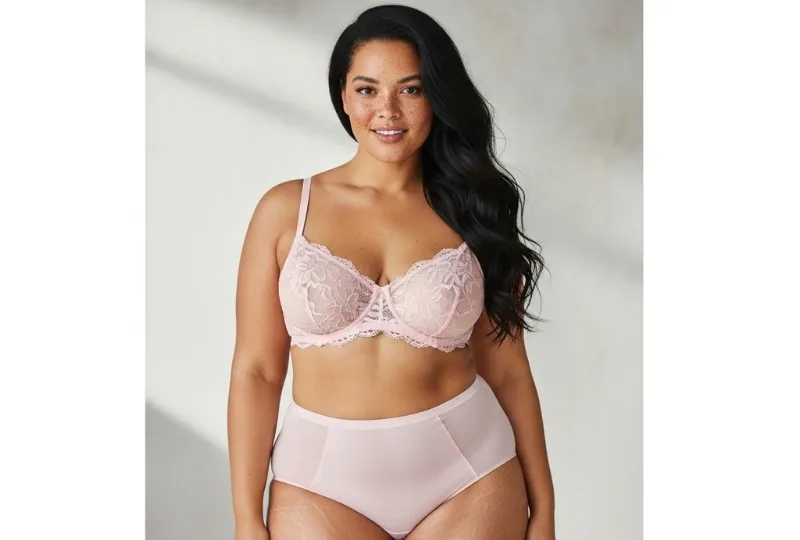
Why Panty Fabric Affects Intimate Health
Choosing the right panty fabric plays a crucial role in maintaining intimate health. Often overlooked, the material you select can influence both comfort and hygiene, impacting your overall well-being. This article delves into why panty fabric matters and how it can make a significant difference to your intimate health.
The Importance of Breathability
Breathability is a key factor in selecting underwear fabric. Fabrics that allow air to circulate reduce moisture build-up and prevent bacterial growth. For example, cotton panties are highly recommended because they are breathable and absorbent, helping to maintain a healthy environment.
💕 Plus Size Fashion Questions? Ask Isabella!
Style, outfits, looks, combinations, fashion tips... quick & caring answers.
💕 Top Plus Size Fashion Picks
Handpicked products that fit and flatter curves


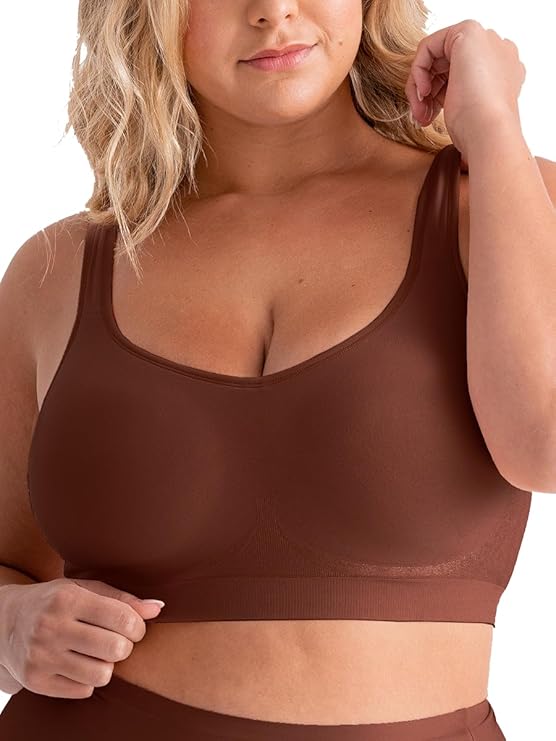

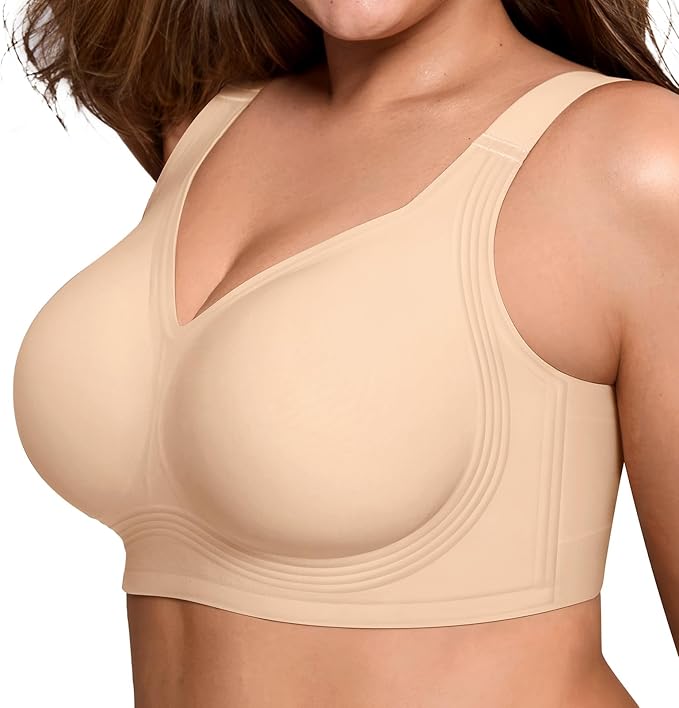


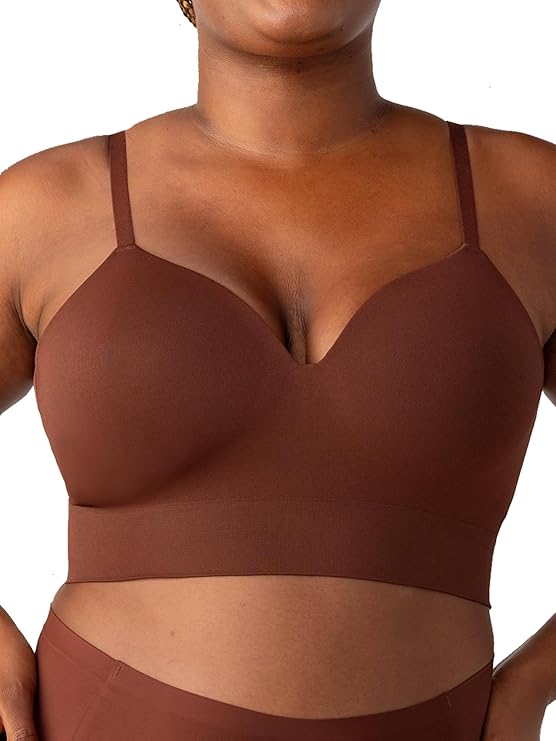


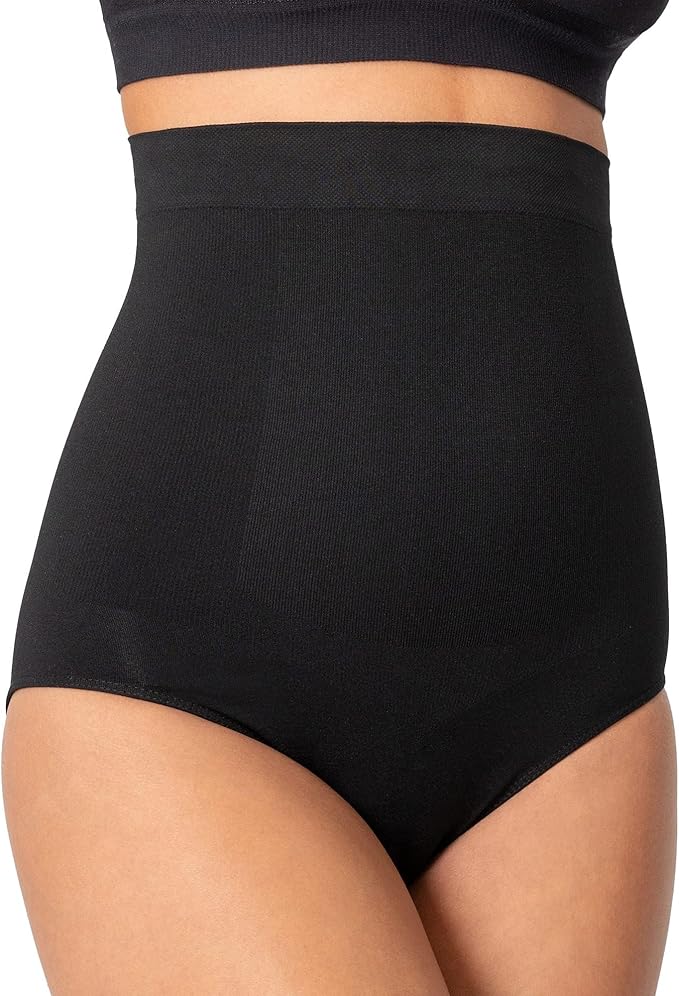


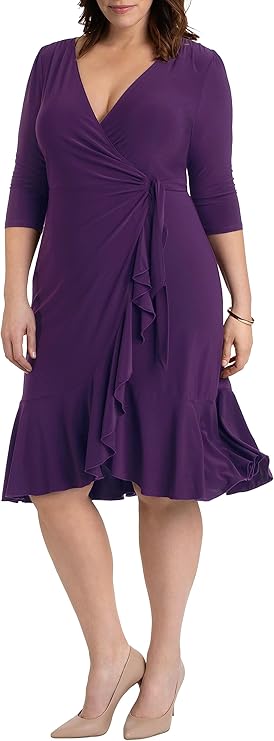
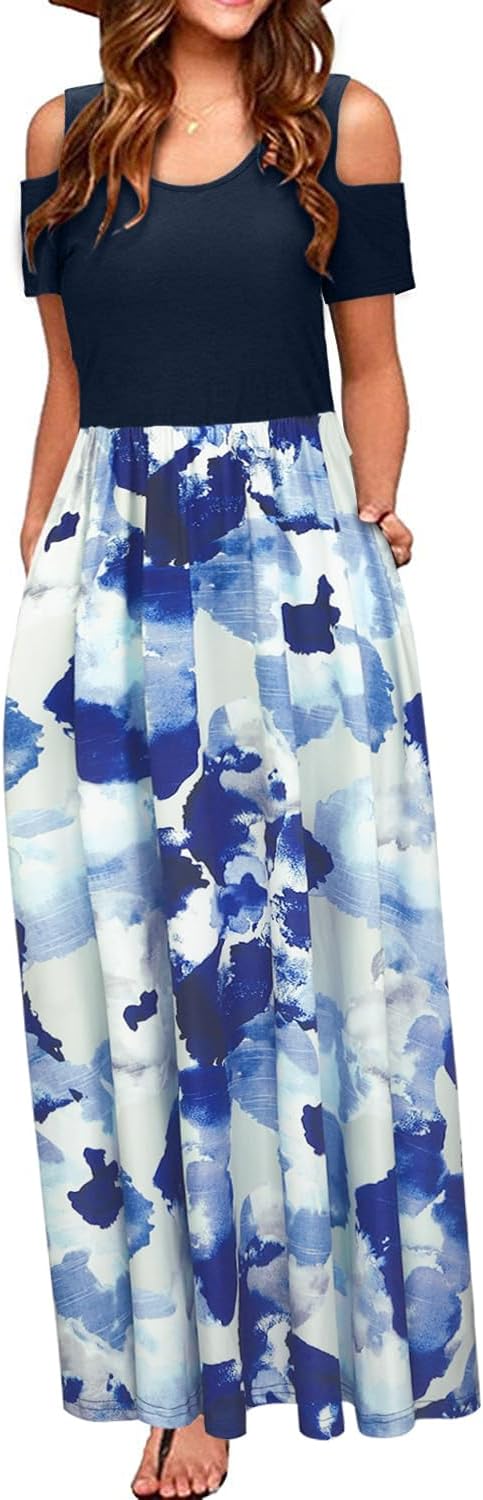





Consider these benefits of breathable fabrics:
- Reduces moisture and keeps the area dry.
- Prevents bacterial and yeast infections.
- Boosts overall comfort throughout the day.
Cotton: The Gold Standard
Cotton is often hailed as the gold standard in intimate wear. It is a natural fiber known for its supreme softness and ability to wick moisture away from the skin. Opt for 100% cotton panties to ensure maximum breathability and avoid synthetic blends that do not offer the same benefits.
Avoid Synthetic Fabrics
While synthetic fabrics like polyester and nylon are popular in many clothing items, they can pose risks when used in panties. These materials do not breathe well, leading to increased moisture and providing a perfect breeding ground for bacteria.
Here's why you should avoid synthetic fabrics:
- Retain heat and moisture.
- Increase the risk of infections.
- Can cause irritation and allergic reactions in sensitive skin.
The Problem with Lace and Satin
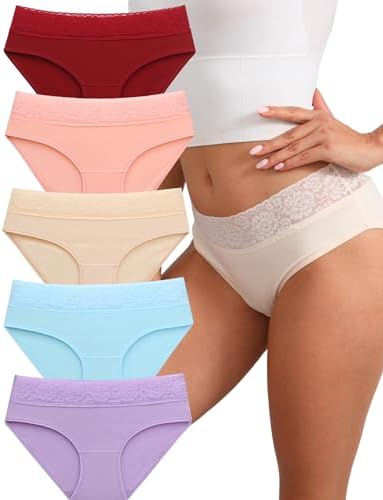
While lace and satin panties offer an appealing aesthetic, they lack the breathability of cotton. Lace, in particular, can be coarse and lead to chafing, while satin does not absorb moisture effectively. If you choose to wear these fabrics, consider limiting their use to special occasions.
Impact on Skin Health
The fabric of your panties can directly affect skin health. Materials that are not gentle or breathable can lead to irritation, rashes, and other dermatological issues. Prioritize fabrics that are skin-friendly to reduce the risk of discomfort and damage.
Key points to consider for skin health:
- Select hypoallergenic fabrics to minimize irritation.
- Look for soft materials that reduce friction.
- Consider seamless designs to prevent chafing.
The Role of Elastics
While discussing panty fabrics, it's essential not to overlook the role of elastics. Tight or abrasive elastics in waistbands and leg openings can cause discomfort and restrict circulation. Opt for panties with soft, covered elastics for a more gentle fit.
Moisture Management
Effective moisture management is vital for intimate health. Fabrics that manage moisture well can help you maintain a balanced environment that discourages infections and maintains comfort.
How moisture management benefits you:
- Prevents the build-up of sweat and bacteria.
- Keeps you feeling fresh throughout the day.
- Reduces the risk of odor and discomfort.
Innovation in Fabric Technology
Thanks to advancements in textile technology, there are newer options like microfiber that offer improved moisture-wicking capabilities. While not natural like cotton, they provide a close alternative for those looking for a thinner or more form-fitting design.
Choosing the Right Panty for Your Lifestyle
Your lifestyle plays an essential role in determining the best underwear fabric for you. Active individuals, for example, may require different materials compared to those leading a more sedentary life.
Considerations based on lifestyle:
- For active lifestyles, prioritize breathable and moisture-wicking materials like cotton or bamboo.
- If you experience frequent irritation, opt for hypoallergenic and seamless designs.
- For everyday office wear, breathable comfort should be a priority to balance prolonged sitting.
Understanding Your Body's Needs
Every person's body is unique, and understanding your specific needs is crucial when selecting panty fabric. Factors such as sensitivity, allergies, and activity levels should guide your choices to ensure optimal intimate health.
The Benefits of Organic and Natural Fabrics
In recent years, there's been a rise in demand for organic and natural fabrics. These materials promise a high level of comfort and minimal environmental impact, making them an ethical choice for health-conscious consumers.
Why choose organic:
- Free from harsh chemicals and dyes.
- More sustainable and eco-friendly.
- Gentle on sensitive skin, reducing risk of allergies.
Exploring New Options: Bamboo and Tencel
Bamboo and Tencel are emerging as popular alternatives in intimate apparel. These fabrics boast natural antibacterial properties and superior moisture management, providing a healthy choice while maintaining comfort and style.
Bamboo and Tencel benefits include:
- Soft, silky texture with high breathability.
- Eco-friendly production processes.
- Adaptable to temperature fluctuations for added comfort.
Conclusion
Choosing the right panty fabric is crucial for maintaining intimate health and overall comfort. By understanding the benefits of natural and breathable materials like cotton, and exploring innovative options like bamboo and Tencel, you can make informed decisions that prioritize your well-being. Take into consideration your personal needs, lifestyle, and the impact on the environment when selecting your next pair of panties.

Why Panty Fabric Affects Intimate Health
Choosing the right fabric for your panties is crucial for maintaining intimate health. Different fabrics can significantly impact comfort, breathability, and hygiene. Cotton is often recommended for its breathability, allowing air to circulate and preventing moisture build-up, which can lead to infections. In contrast, synthetic fabrics like nylon or polyester may trap moisture, creating a breeding ground for bacteria. Understanding these fabric differences can help you make healthier choices.
Conclusion
In conclusion, the fabric of your panties plays a vital role in maintaining intimate health. Opting for breathable materials like cotton can help prevent moisture accumulation and reduce the risk of infections. Fabrics that wick away moisture, such as bamboo and certain technical blends, also support better hygiene and comfort. As awareness of intimate health increases, more brands are offering a variety of fabric options, empowering consumers to make informed decisions that align with their health needs. Investing in high-quality fabrics not only enhances comfort but also contributes to your overall well-being. By choosing the right materials, you can easily maintain your intimate health while enjoying the benefits of comfort and style.
FAQ
Why are cotton panties recommended for intimate health?
Cotton is breathable, allowing air to circulate and preventing moisture build-up, reducing the risk of infections.
Can synthetic fabrics affect intimate health?
Yes, synthetic fabrics like nylon can trap moisture, creating a breeding ground for bacteria and increasing infection risks.
What are the benefits of bamboo fabric for intimate health?
Bamboo fabric is naturally moisture-wicking and breathable, maintaining dryness and reducing irritation risks.
Are there any fabrics that combine breathability and moisture-wicking properties?
Yes, some technical blends offer both breathability and moisture-wicking, making them ideal for maintaining intimate health.
How does moisture build-up lead to infections?
Excess moisture creates a warm, damp environment where bacteria and yeast can thrive, leading to infections.
Can lace panties affect intimate health?
Lace can cause irritation if not lined with a breathable fabric; it's best used for short-term wear.
What should I consider when choosing panties for sensitive skin?
Opt for hypoallergenic fabrics like organic cotton, which are gentle on sensitive skin and reduce irritation risks.
**Embrace Your Radiance** In this tender journey of self-discovery, you stand at the heart of a transformative celebration of your beautiful, authentic self. The intimate fabrics and delicate designs you choose are not mere clothing; they are an extension of the love and reverence you hold for your own being. Beyond threads and lace lies a gentle affirmation of your unique worth, a reminder that every curve and valley is a testament to your strength and beauty. As you wrap yourself in these tangible expressions of self-love, let each moment become a sacred pledge to honor who you truly are. Stand tall in the radiant power that arises when you fully embrace your essence, casting aside society's narrow definitions. Feel the gentle hum of confidence welling from within, healing past wounds and lifting your spirit to new heights. This is your time, your space, and your story to tell. May you always remember that true elegance emanates from within and that the love you cultivate for yourself is the most luxurious adornment of all. Celebrate this journey with open arms, for your heart carries the power of timeless beauty and endless grace.