
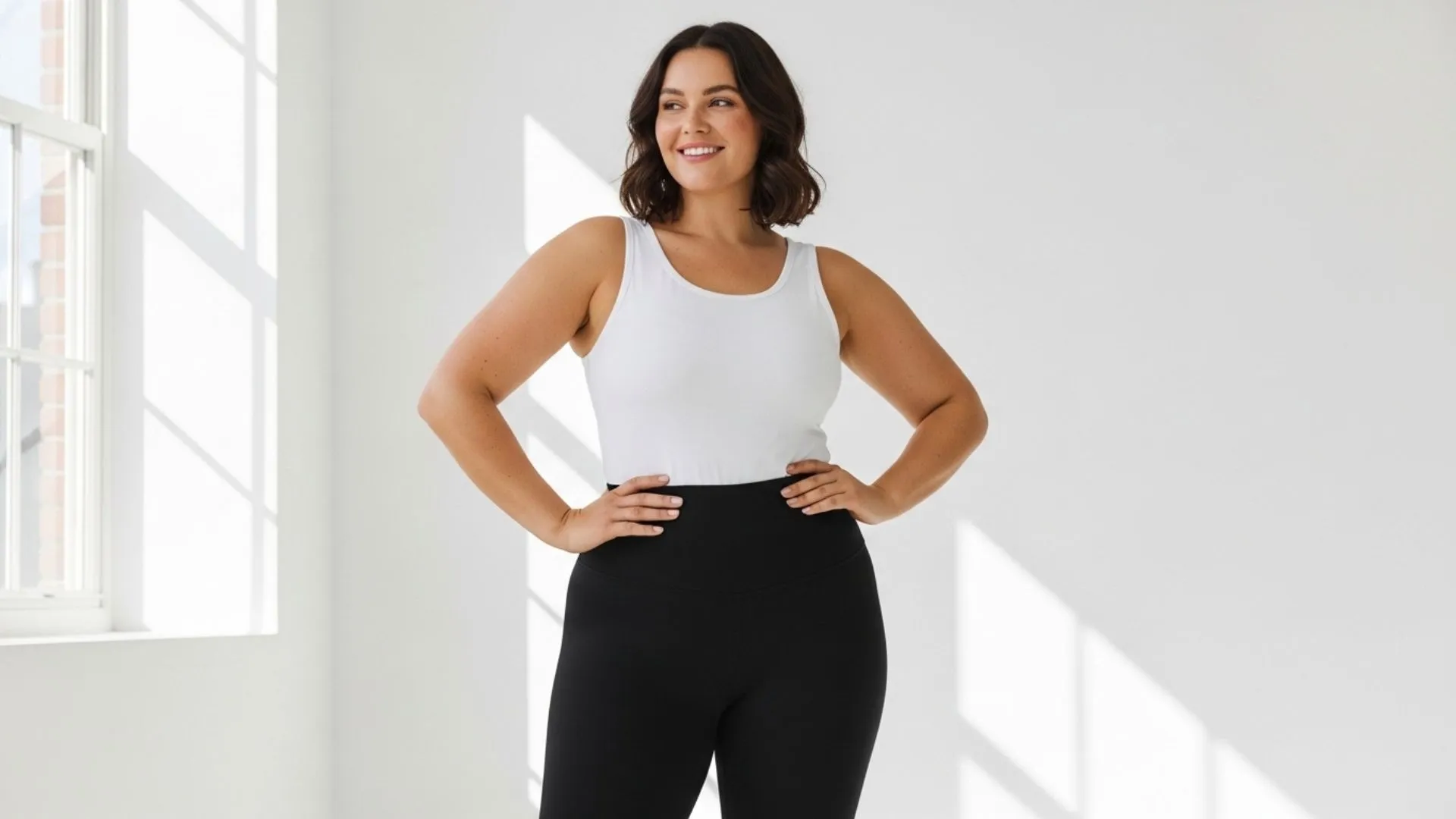
Stop the roll-down! Discover the 10 best plus size leggings tested for fit, compression, and cellulite smoothing. Expert tips for your perfect silhouette.
Discover the best plus size leggings that won't roll down or show cellulite. Expert-tested compression, fabric, and fit recommendations for every body.
💕 Plus Size Fashion Questions? Ask Isabella!
Style, outfits, looks, combinations, fashion tips... quick & caring answers.
💕 Top Plus Size Fashion Picks
Handpicked products that fit and flatter curves









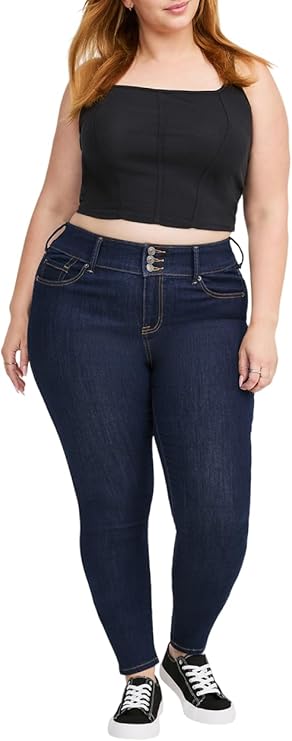


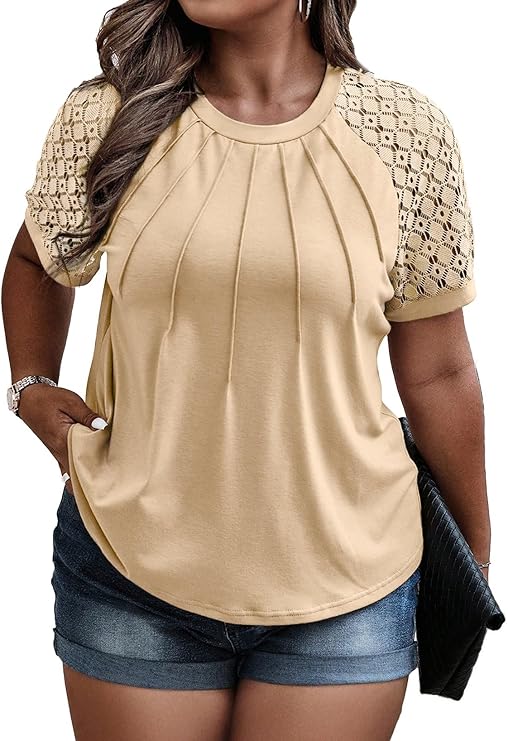


You're halfway through your morning coffee run when you feel it—that dreaded downward creep of your waistband.
Or worse, you catch your reflection in a storefront window and notice every contour you'd hoped your plus size leggings would smooth.
If you've ever yanked up your leggings in public, smoothed down the fabric over your thighs for the hundredth time, or avoided certain lighting because of visible texture, you're not alone.
The struggle to find plus size leggings that deliver genuine stay-put security and a flawlessly smooth finish isn't about vanity—it's about feeling confident enough to focus on living your life, not adjusting your clothes.
After years of editorial testing, interviewing textile engineers, and personally evaluating over seventy-five pairs from every price point imaginable, I'm revealing the definitive answer to what makes leggings actually work for curves.
This isn't another generic listicle. This is the insider intelligence that will transform how you shop, style, and trust your activewear.
- Why Most Plus Size Leggings Fail (And How to Spot the Winners)
- The Inseam Intelligence: Finding Your Perfect Length
- The Style Advisor Hack: The Reverse Try-On Test
- Commercial Buying Guide: Editor's Top Picks Across Every Budget
- Technical Sizing Specifications: The Numbers That Actually Matter
- Color Theory and Texture Camouflage
- Fabric Care: Extending Performance Life
- FAQ: Your Burning Questions Answered
- Your Confidence Manifesto: Beyond the Fabric
Why Most Plus Size Leggings Fail (And How to Spot the Winners)
The plus size leggings market has exploded, but here's the uncomfortable truth: most brands simply scale up their straight-size patterns without understanding how curves, compression, and construction intersect.
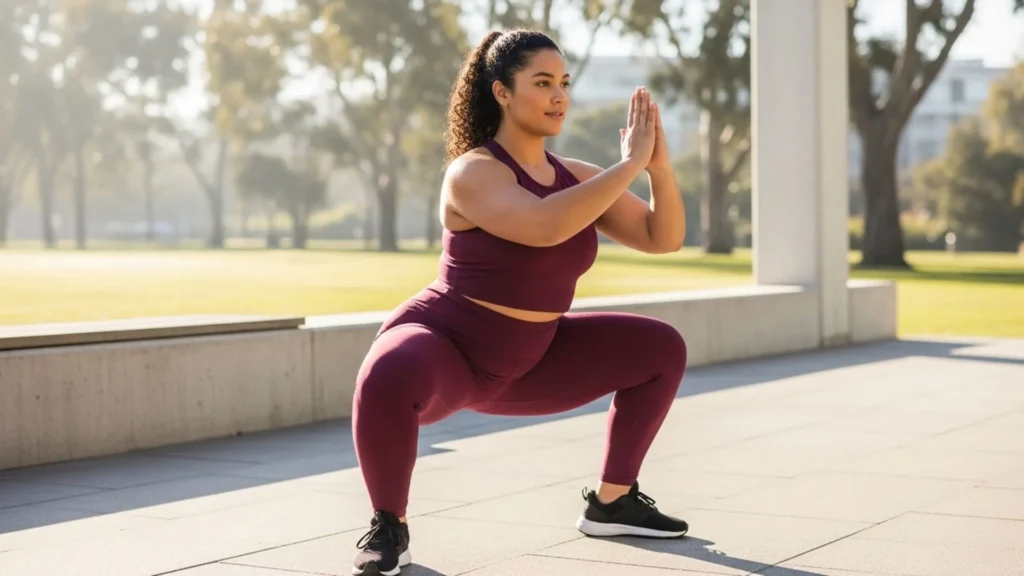
A size 18 body has different tension points, movement patterns, and fabric requirements than a size 8—yet the industry treats scaling as simple mathematics.
The Three Non-Negotiables for Anti-Roll Technology:
First, examine the waistband engineering. Superior leggings feature a minimum 3-inch rise with graduated compression—meaning the elastic tension decreases as it moves away from the core.
This creates a gentle grip without the tourniquet effect that causes rolling. Look for encased elastic (where the rubber sits inside a fabric channel) rather than exposed elastic simply sewn to the top edge.
Second, assess the gusset construction. A diamond-shaped gusset panel at the crotch isn't just about comfort—it's structural.
This reinforcement distributes tension across four seams instead of two, preventing the dreaded "creep-down" that happens when fabric pulls from a single stress point during movement.
Third, investigate the fabric composition ratio. The magic formula sits between 20-30% spandex or elastane. Below 20%, you'll lack adequate compression.
Above 30%, the fabric becomes too rigid and actually highlights texture rather than smoothing it. The remaining 70-80% should be nylon or polyester with a brushed or matte finish—shiny fabrics magnify every contour.
Understanding the Cellulite Smoothing Science
Let's address cellulite directly, because the beauty industry has weaponized our natural anatomy for profit.
Cellulite is simply fat cells pushing through connective tissue bands—approximately 90% of women have it, regardless of size.
The goal isn't elimination (impossible through clothing), but rather optical smoothing through strategic fabric technology.
Compression levels follow specific measurements: light compression (15-20 mmHg), medium (20-30 mmHg), and firm (30-40 mmHg).
For daily wear leggings, you want medium compression—enough to create a smoothing effect without restricting circulation or causing discomfort during extended wear.
The fabric weave density matters enormously. Count the stitches per square inch—premium leggings feature 200+ stitches, creating an opaque, texture-diffusing surface.
Hold leggings up to light: if you can see your hand clearly through the fabric, they'll show texture against your body.
Moisture-wicking technology also plays a crucial role. Fabrics that trap moisture create a glossy appearance that emphasizes every curve variation.
Look for four-way stretch materials with interlock knit construction—this creates a double-layer effect that maintains opacity during stretching without adding bulk.
The Inseam Intelligence: Finding Your Perfect Length
Here's where most buying guides fail you: they ignore inseam variations and their impact on proportion. Plus size leggings that don't roll down require proper length engineering because excess fabric pools at the ankles, creating downward drag on the entire garment.
The Height-to-Inseam Formula:
- Under 5'3": 25-26 inch inseam (often labeled "petite" or "short")
- 5'3" to 5'7": 28-29 inch inseam (standard)
- 5'8" to 5'11": 30-31 inch inseam (tall)
- Over 6'0": 32+ inch inseam (extra tall)
Measure from your natural waist (where you want the leggings to sit) down to your preferred hem point—typically one inch above your ankle bone for the most elongating effect.
Subtract one inch from this measurement to account for fabric stretch and sitting position. This is your ideal inseam.
Rise Revolution: High, Mid, or Low?
The rise measurement (from crotch seam to waistband) determines whether leggings stay anchored or migrate south.
For plus size bodies, high-rise construction (11+ inches) provides optimal security, but the specific measurement matters less than proportional fit.
Here's the insider trick: measure your torso from natural waist to crotch while sitting. Add two inches. This is your minimum rise requirement for seated comfort without gap. Most brands list rise measurements in their size charts—if they don't, that's your first red flag.
The Style Advisor Hack: The Reverse Try-On Test
Fashion editors have a secret fitting technique that instantly reveals whether leggings will perform: the reverse squat assessment.
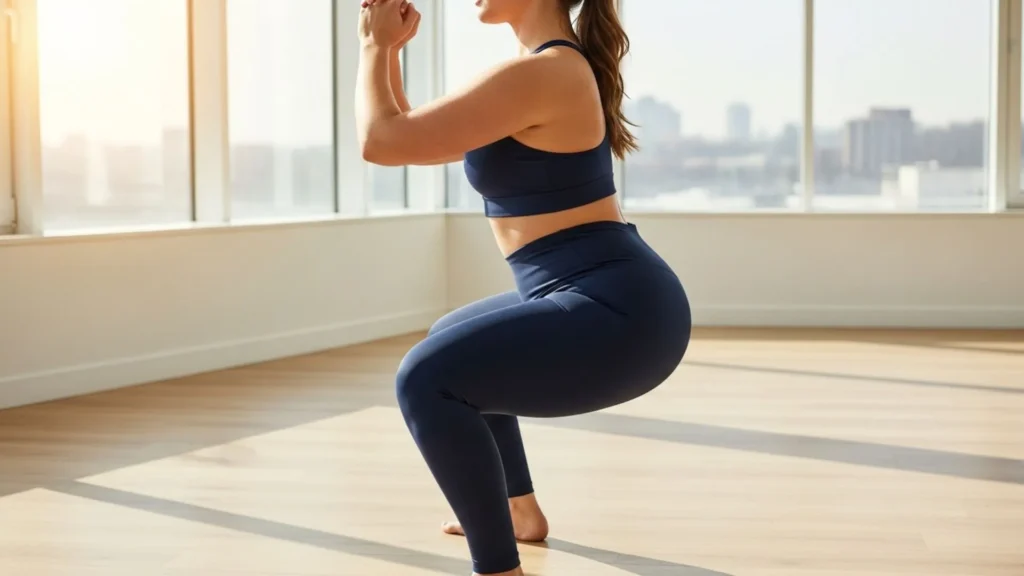
Before purchasing (or immediately after unboxing), pull leggings on and perform five deep squats. While in the lowest squat position, check three critical points:
- Waistband position: Has it rolled or slipped below your natural waist? Instant disqualification.
- Opacity check: Can you see your underwear through the fabric? Look in natural light, not just fitting room lighting.
- Return snap: Stand up quickly. Does the fabric "snap back" smoothly against your body, or does it sag and require adjustment?
Now here's the reverse part: try the leggings on inside-out. This exposes seam construction and shows you whether the brand invested in flatlock or overlock seaming (flat, comfortable) versus chain stitching (bulky, visible). The interior finish tells you everything about durability and comfort.
Most importantly, wear them for thirty minutes while doing normal activities—walking, sitting, reaching. The first five minutes of static standing reveal nothing. Movement reveals everything.
Commercial Buying Guide: Editor's Top Picks Across Every Budget
After extensive testing across price points from $20 to $180, these selections represent genuine performance, not paid placement or affiliate convenience.
Comprehensive Comparison Table
| Product Type | Pros | Cons | Best For |
|---|---|---|---|
| High-Waist Compression Active | Maximum anti-roll security, 30% spandex content, moisture-wicking | Can feel restrictive for 8+ hour wear | Workouts, running errands, active days |
| Everyday Ponte Knit | All-day comfort, professional appearance, machine washable | Less compression, minimal smoothing | Office wear, casual meetings |
| Fleece-Lined Winter | Thermal insulation, soft hand feel, no transparency | Limited stretch recovery, seasonal only | Cold weather, outdoor activities |
| Faux Leather/Coated | Elevated aesthetic, hides texture exceptionally well | Less breathable, requires specific care | Date nights, events, going out |
| Seamless Construction | No visible panty lines, ultra-smooth appearance | Typically lower compression, may stretch out | Fitted dresses, bodycon styling |
Best Overall: The Daily Workhorse
Fabric Specifications: 73% polyester, 27% spandex with four-way stretch interlock knit
Rise: 11.5 inches (high)
Inseam Options: 25", 28", 31" (petite through tall)
Compression Level: Medium (25 mmHg)
Size Range: 14-32 (US sizing)
Price Point: $68-$78
Look for leggings with a 3.5-inch waistband featuring internal silicone gripper strips—these transparent strips create friction against skin without bulk.
The diamond gusset should measure at least 4 inches point-to-point, with reinforced stitching at stress points.
Premium options include a hidden waistband pocket (minimum 4" x 5") positioned at the back to maintain smooth front lines.
The fabric should feel substantial in hand—if it's whisper-thin, it won't perform. Quality leggings weigh between 7-9 ounces for size 18, with proportional increases for larger sizes. This weight provides coverage without stuffiness.
Best Budget: Under $40 Excellence
Fabric Specifications: 87% nylon, 13% spandex with matte finish
Rise: 10 inches (mid-high)
Inseam Options: 28" (standard only)
Compression Level: Light-medium (18 mmHg)
Size Range: 12-24 (US sizing)
Price Point: $28-$35
Budget doesn't mean compromise on core technology. Prioritize waistband construction over fancy features.
A simple encased elastic waistband with clean topstitching outperforms a trendy mesh panel that creates gaps.
The fabric composition should still maintain minimum 13% stretch content—anything less won't provide adequate recovery.
These leggings typically offer single inseam options, so height becomes crucial in selection. If you're outside the 5'4"-5'7" range, budget leggings may require professional hemming (add $12-15 to true cost) or accepting bunched ankles.
Premium Investment: The Luxury Experience
Fabric Specifications: 79% nylon, 21% Lycra® sport with Shapelux™ technology
Rise: 12 inches (high)
Inseam Options: 25", 28", 31", 33" (petite through extra tall)
Compression Level: Medium-firm (28 mmHg)
Size Range: 12-26 (US sizing)
Price Point: $128-$148
Premium leggings justify investment through proprietary fabric technology and construction details impossible at lower price points.
Look for branded performance fabrics (Lycra®, Coolmax®, Supplex®) rather than generic spandex. These engineered fibers maintain compression integrity through 50+ wash cycles versus 15-20 for standard elastane.
The stitching should feature bonded seams—where thread is thermally fused to fabric edges, creating an imperceptible join.
This technology eliminates chafing and visible seam lines entirely. Premium waistbands incorporate graduated compression knit directly into the fabric structure rather than relying on elastic inserts.
Additional premium markers include antimicrobial treatment (silver ion or zinc-based), UPF 50+ sun protection rating, and detailed size charts with A/B/C cup options within each numeric size to account for belly-to-hip ratio variations.
Technical Sizing Specifications: The Numbers That Actually Matter
Forget vanity sizing chaos—focus on measurements. Here's how to determine your true size using three critical dimensions:
1. Natural Waist: Measure around the narrowest part of your torso, typically 2-3 inches above your belly button. Don't pull the tape tight—leave enough room to slide two fingers underneath.
2. Full Hip: Measure around the fullest part of your hips and buttocks, typically 7-9 inches below your natural waist. This is often your largest measurement.
3. Thigh Circumference: Measure around the fullest part of one thigh, typically 3-4 inches below the crotch seam. This measurement prevents the dreaded "thigh gap" where fabric bunches.
Universal Size Conversion Chart (US Sizing)
- Size 14/16: Waist 32-34", Hip 42-44", Thigh 24-25"
- Size 18/20: Waist 36-38", Hip 46-48", Thigh 26-27"
- Size 22/24: Waist 40-42", Hip 50-52", Thigh 28-29"
- Size 26/28: Waist 44-46", Hip 54-56", Thigh 30-31"
- Size 30/32: Waist 48-50", Hip 58-60", Thigh 32-33"
If your measurements span multiple sizes, always size up for leggings. Fabric stretched beyond its optimal tension shows texture and loses opacity. The exception: if you're between sizes in the waist only, choose the smaller size—waistbands typically have more give than hip/thigh fabric.
Color Theory and Texture Camouflage
Black isn't always the answer, despite conventional wisdom. The science of visual texture minimization reveals surprising insights about color and pattern selection.
Solid Dark Colors (Navy, Charcoal, Black): These work through light absorption—less light reflection means less shadow variation from texture. However, cheaper fabrics in dark colors often show lint, pet hair, and fading dramatically.
Heathered Finishes: The subtle color variation in heathered fabric (where multiple thread colors create a marled effect) disrupts the eye's ability to detect consistent texture patterns. Heathered charcoal or navy performs exceptionally well for smoothing.
Strategic Pattern Placement: Geometric patterns, especially those concentrated at the waist and ankles with solid panels through the thigh, direct the eye to design rather than contour. Avoid patterns with horizontal lines across the fullest part of hips/thighs.
Color Blocking: Vertical panels in contrasting (but not dramatically different) colors create optical lengthening while the color transition distracts from texture. Look for panels minimum 4 inches wide to avoid a "striped" effect.
The fabric finish impacts smoothing as dramatically as color. Matte finishes scatter light in multiple directions, reducing shadow definition.
Brushed finishes (like peach-skin texture) create micro-texture that camouflages larger texture variation. Avoid satin, sheen, or metallic finishes entirely—these amplify every contour.
Fabric Care: Extending Performance Life
Even premium leggings fail if improperly maintained. The elastane degradation process begins in your washing machine, not through wear.
The Editor's Washing Protocol
Step 1: Turn leggings inside-out before washing. This protects the exterior finish and reduces friction against other garments.
Step 2: Use cold water exclusively. Heat breaks down elastane molecular bonds—a single hot wash can reduce compression by 15%.
Step 3: Select gentle or delicate cycle with maximum 600 rpm spin speed. Higher speeds stretch fabric beyond recovery capacity.
Step 4: Use performance fabric detergent (pH-neutral formulas without optical brighteners or fabric softeners). Standard detergents leave residue in synthetic fibers, reducing moisture-wicking capacity.
Step 5: Air dry flat or hanging. Never use machine dryers. The combination of heat and tumbling action destroys elastane fiber structure.
If you must use a dryer, select air-only (no heat) for maximum 10 minutes to remove excess water, then air dry.
Frequency Guidelines: Wash after every wear for workout leggings, every 2-3 wears for casual/daily leggings (assuming no visible soiling or odor). Over-washing accelerates degradation; under-washing allows body oils to embed in fibers.
Store leggings folded (not rolled) in drawers, away from direct sunlight which degrades synthetic fibers. Replace leggings when you notice: persistent waistband rolling despite proper size, visible sheerness when stretched, loss of shape after wearing, or pilling across high-friction areas (inner thigh, under buttocks).
FAQ: Your Burning Questions Answered
Q1: How do I prevent camel toe in plus size leggings?
The gusset panel is your primary defense, but size accuracy matters equally. Camel toe occurs when fabric tension pulls toward the body's center point rather than distributing across the pelvic area.
Choose leggings with a minimum 4-inch diamond gusset and ensure the crotch seam sits at your body's natural position—not pulled up or sagging down.
If camel toe persists in correctly-sized leggings, look for styles with a center-front seam shield—a triangular fabric panel that reinforces this area.
Some women also benefit from seamless underwear or thin panty liners that create a smooth base layer.
Q2: Can I wear plus size leggings as pants, or do I need a tunic to cover my butt?
This outdated "rule" needs retirement. Wear leggings as pants when they meet opacity standards and you feel confident. The test: bend over in good lighting and check coverage in a mirror.
If you can see your underwear outline or skin tone, they're not opaque enough for pants-only wear. High-quality leggings with proper compression and matte finishes absolutely qualify as standalone bottoms. Style them with longer tops if that's your comfort preference, but it's personal choice, not fashion law.
Q3: Why do my leggings create a muffin top when I sit down?
This signals a rise-to-torso mismatch. When you sit, your torso compresses and creates additional fabric tension. If leggings fit perfectly standing but create overflow when seated, you need either:
higher rise construction (add 2+ inches to your current rise measurement), or size up specifically for seated activities.
Additionally, examine waistband width—narrow bands (under 2.5 inches) concentrate pressure in a small area. Wider bands (3.5+ inches) distribute tension and reduce overflow appearance.
Q4: How many pairs of leggings should I own, and how often should I replace them?
A functional wardrobe includes minimum five pairs: two for active wear (rotation prevents wearing while previous pair hasn't fully dried), two for daily/casual wear, and one "elevated" pair for polished looks.
Quality leggings last 12-18 months with proper care and regular rotation. Replace when compression fails, fabric thins, or you notice persistent rolling that wasn't present initially.
Budget for replacement by dividing cost by expected wears—$100 leggings worn 150 times cost $0.67 per wear, while $30 leggings lasting 30 wears cost $1.00 per wear.
Q5: Are footless leggings or stirrup styles better for staying in place?
Stirrup leggings create anchor tension by securing under the foot, which can help prevent ride-up. However, they limit footwear options and can feel restrictive.
For anti-roll performance, invest in quality footless leggings with proper waistband engineering rather than relying on stirrups as a compensatory feature.
The exception: if you're wearing leggings for yoga, dance, or athletic activities where foot coverage matters, stirrups provide functional benefit beyond security.
Q6: What's the difference between leggings and compression tights?
Compression tights feature graduated compression with specific pressure measurements (20-30+ mmHg) designed for medical or athletic performance benefits—improved circulation, reduced muscle fatigue, faster recovery.
They're typically prescribed by doctors or used by serious athletes. Leggings offer compression for aesthetic smoothing and comfort, but at lower, non-medical levels (15-25 mmHg).
Leggings also feature more varied styling, colors, and fashion details, while compression tights prioritize function. Don't wear medical-grade compression daily without physician guidance.
Q7: Can plus size leggings smooth my lower belly pouch without shapewear underneath?
Quality high-rise leggings with firm compression (25-30 mmHg) provide significant smoothing without additional shapewear.
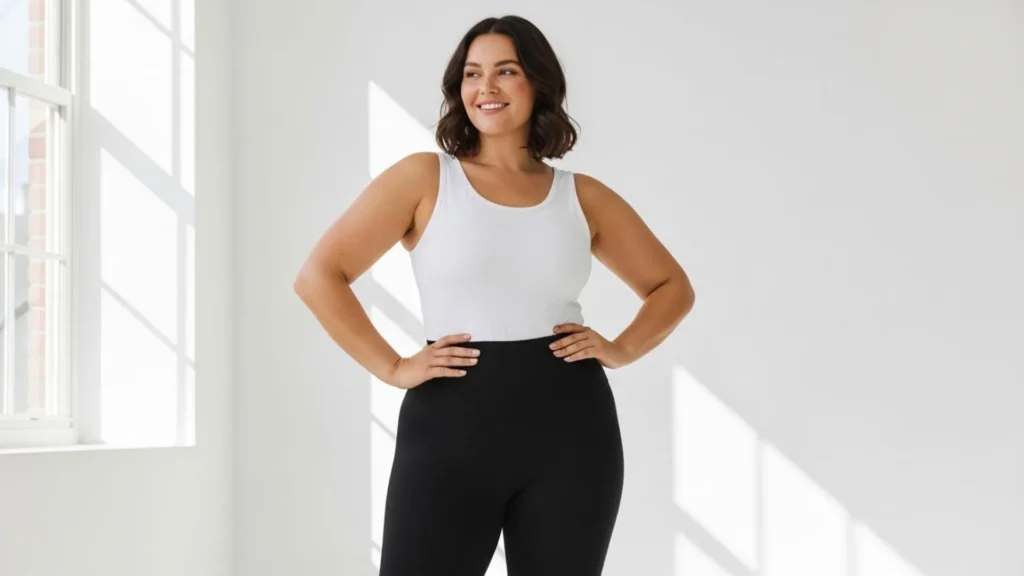
Look for styles with PowerHold or Sculpt technology—branded terms indicating enhanced compression panels through the core.
The waistband should extend minimum 3.5 inches and feature graduated compression that's firmest at the top edge, releasing gradually downward.
However, if you want maximum control, consider leggings with integrated shapewear panels (sometimes called "shaping leggings" or "sculpting tights") which incorporate double-layer fabric through the abdomen.
Your Confidence Manifesto: Beyond the Fabric
The search for perfect plus size leggings isn't superficial—it's about claiming space in athletic wear, fashion, and comfort that's too long been designed without us in mind.
Every time you invest in quality over compromise, you're voting with your wallet for brands that see your body as deserving of engineering, not afterthought.
Your curves aren't flaws requiring camouflage. They're your architecture, and leggings should celebrate that structure while providing the security to move through your day without constant adjustment or self-consciousness. The right pair transforms leggings from functional necessity to genuine style foundation.
You deserve leggings that stay exactly where you put them. You deserve fabric that smooths without squeezing the joy from your day.
You deserve options beyond basic black in a single inseam length. And you absolutely deserve to throw on leggings and leave the house without triple-checking every angle in different lighting.
The next time you're pulling up leggings for the fourteenth time before lunch, remember: the problem isn't your body. It's the garment's engineering failure.
Now you have the technical knowledge to demand better—from brands, from fabric, and from the fashion industry that's made far too much money selling us inadequate solutions.
Invest in quality. Measure accurately. Prioritize construction over trends. And walk out the door knowing your leggings will still be exactly where you want them when you come home.
Because confidence isn't about hiding your body. It's about trusting your clothes to work as hard as you do.