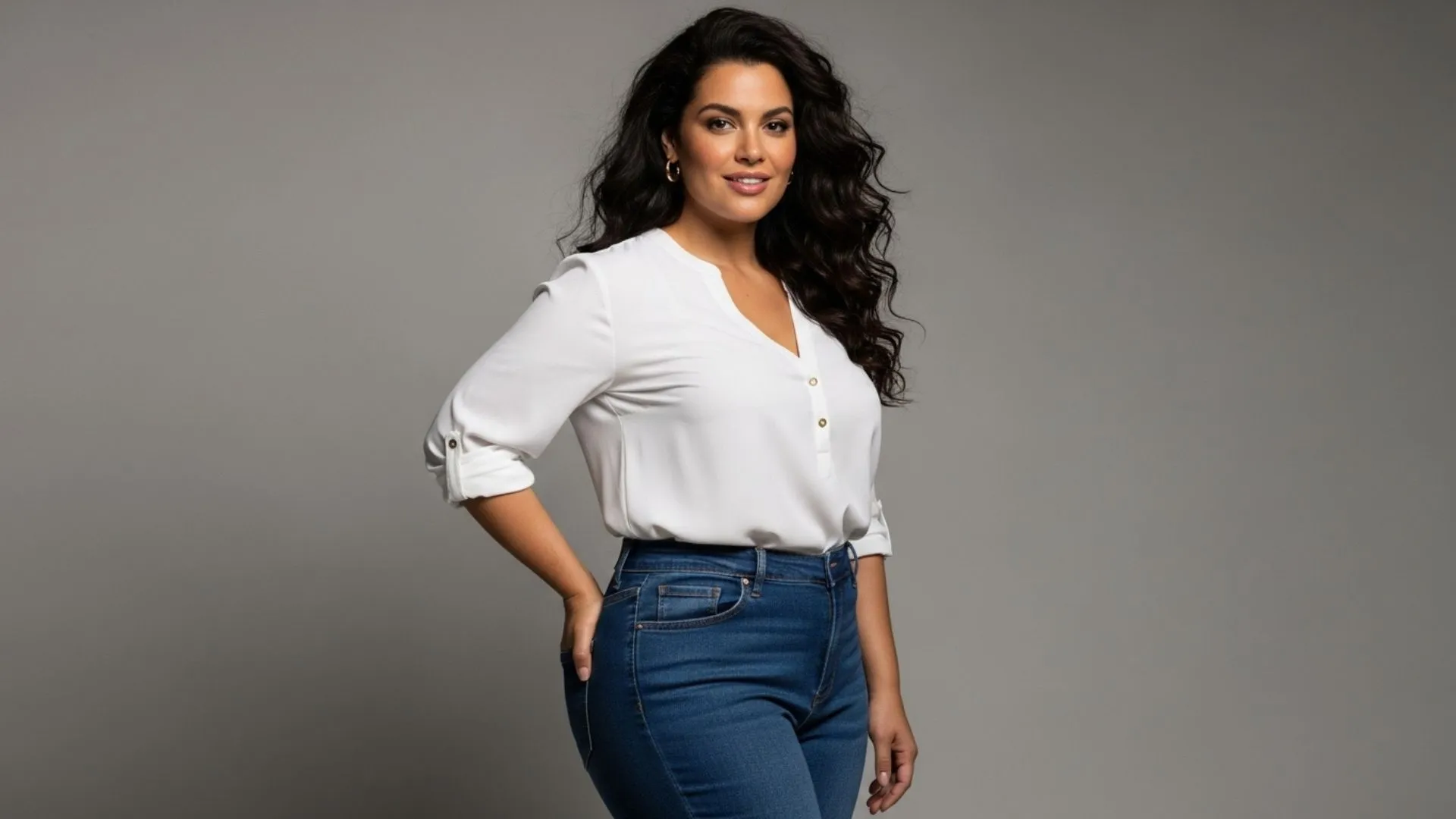
Understanding how to choose plus size jeans that actually fit can transform comfort, confidence, and style in everyday life. This guide explains how to navigate curvy fit jeans, focusing on real-world tips for better fit, feel, and satisfaction.
💕 Plus Size Fashion Questions? Ask Isabella!
Style, outfits, looks, combinations, fashion tips... quick & caring answers.
💕 Top Plus Size Fashion Picks
Handpicked products that fit and flatter curves











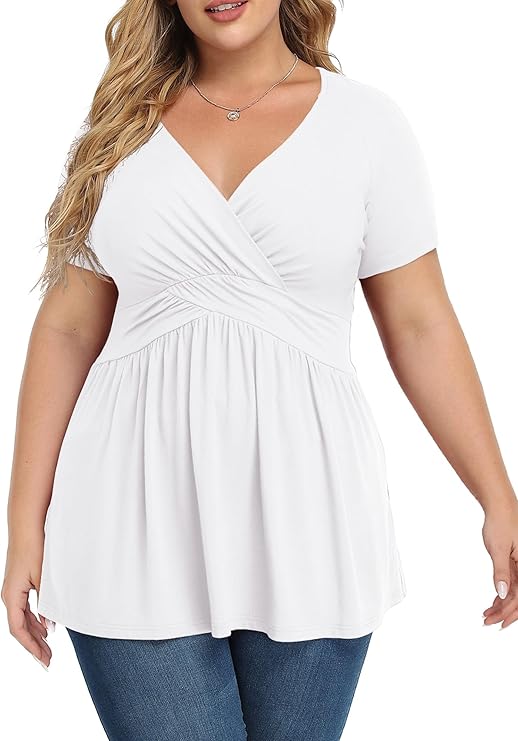
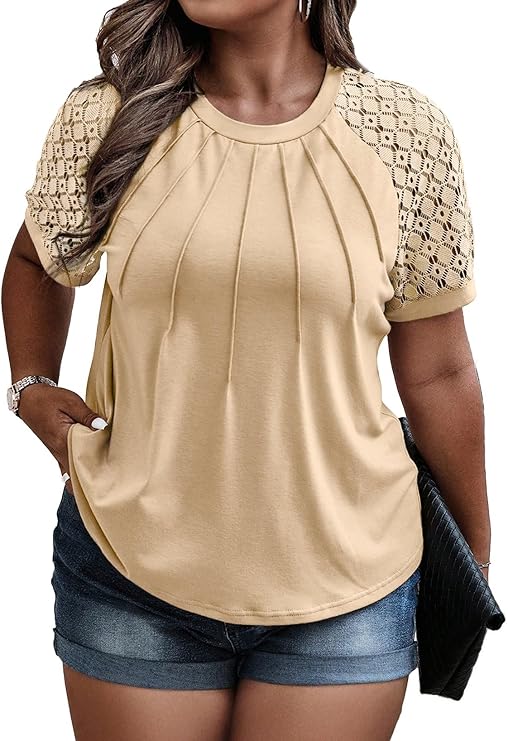


- What Does It Mean for Jeans to “Actually Fit” in Plus Size Fashion?
- Key Elements of Fit: Waist, Hips, Thighs, and Length
- How to Read Denim Labels: Materials, Stretch, and Size Charts
- Common Plus Size Jeans Mistakes and How to Avoid Them
- Best Practices for Choosing and Wearing Plus Size Jeans
- Quick Reference Table: Plus Size Jeans – Fit, Comfort, and Practical Tips
- Conclusion: Applying Knowledge for Better Fit and Confidence
- FAQ
- Related Posts
What Does It Mean for Jeans to “Actually Fit” in Plus Size Fashion?
Jeans that “actually fit” in plus size fashion are garments designed to accommodate curves, provide comfort at the waist and hips, and offer a flattering silhouette without restricting movement. This concept goes beyond traditional sizing, addressing real differences in body shapes among plus size women.
A well-fitting pair of jeans is essential for daily comfort, ease of movement, and self-assurance. For those navigating the world of curvy fit jeans, understanding what true fit means helps avoid common frustrations like gaping waistbands, tight thighs, or baggy knees.
This topic is especially relevant for women seeking both style and practicality. Plus size jeans that truly fit support body confidence, reduce the likelihood of returns, and allow for a more enjoyable experience when shopping for denim. The information in this guide is part of the broader context of curvy fit jeans, a key category within plus size fashion that prioritizes body diversity and comfort.
- Improved comfort in daily wear
- Enhanced body confidence
- Reduced risk of buying jeans that don’t fit
- Better understanding of body shape and denim styles
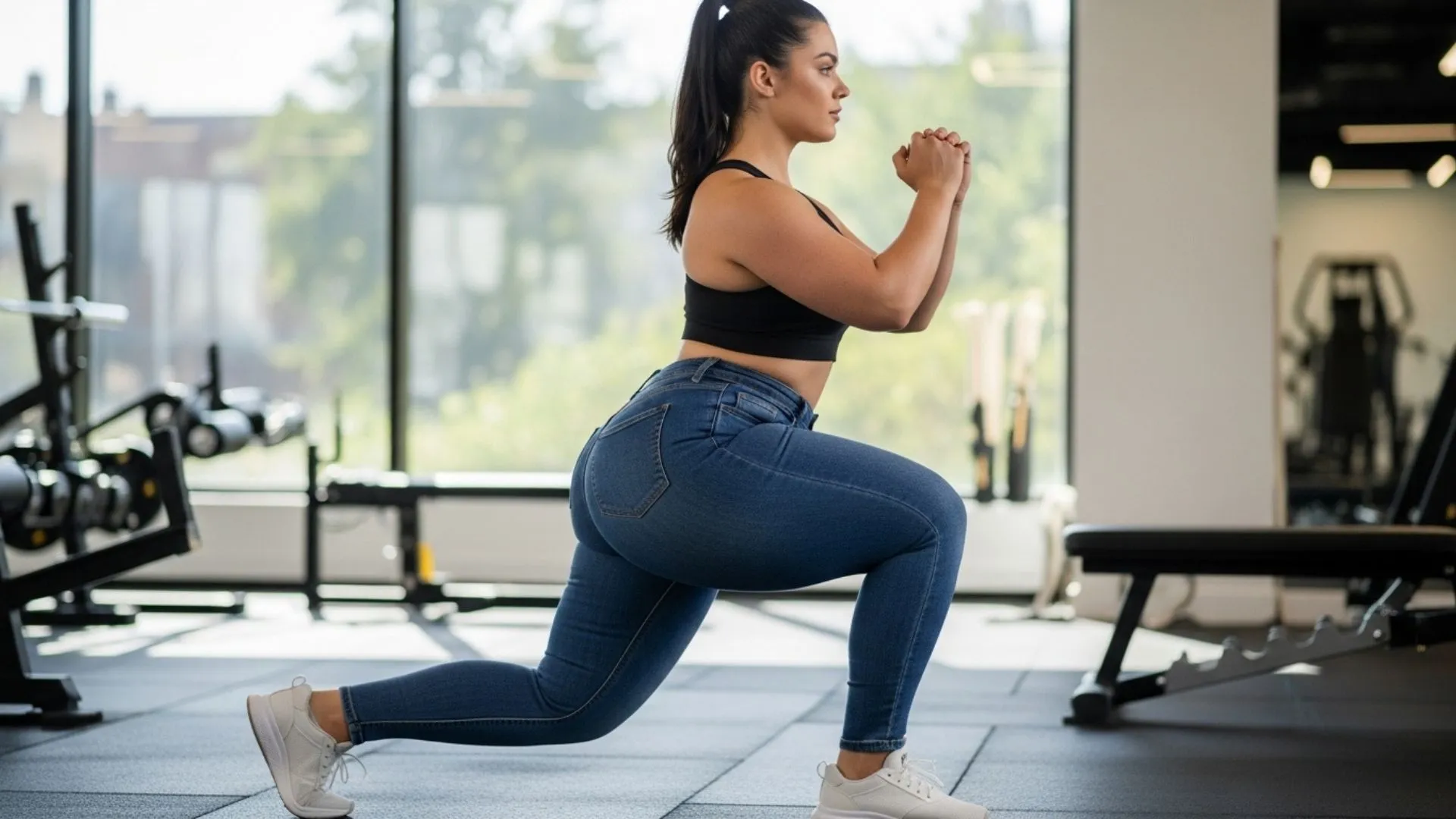
Key Elements of Fit: Waist, Hips, Thighs, and Length
The main elements that impact the fit of plus size jeans are the waist, hips, thighs, and inseam length. Each plays a specific role in how jeans feel and look on the body.
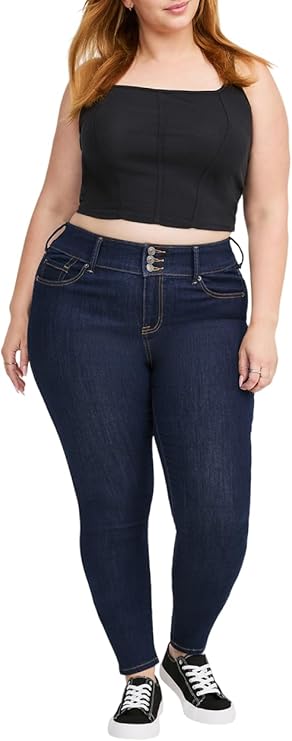
Waist fit is crucial to avoid gaping or digging in. Curvy fit jeans often feature contoured waistbands or higher rises to accommodate fuller hips and prevent slipping down during movement.
Hips and thighs demand sufficient room without excess fabric. Jeans that are too tight can restrict movement and cause discomfort, while those that are too loose may look baggy and unflattering.
Length and inseam are also significant. Jeans that are too long may bunch at the ankles, while those that are too short can ride up and feel awkward. Many plus size brands now offer multiple inseam options for better personalization.
- Contoured waistbands for better comfort
- Stretch fabrics for flexibility
- Multiple inseam choices to suit height
- Roomier thigh cuts for curvy figures
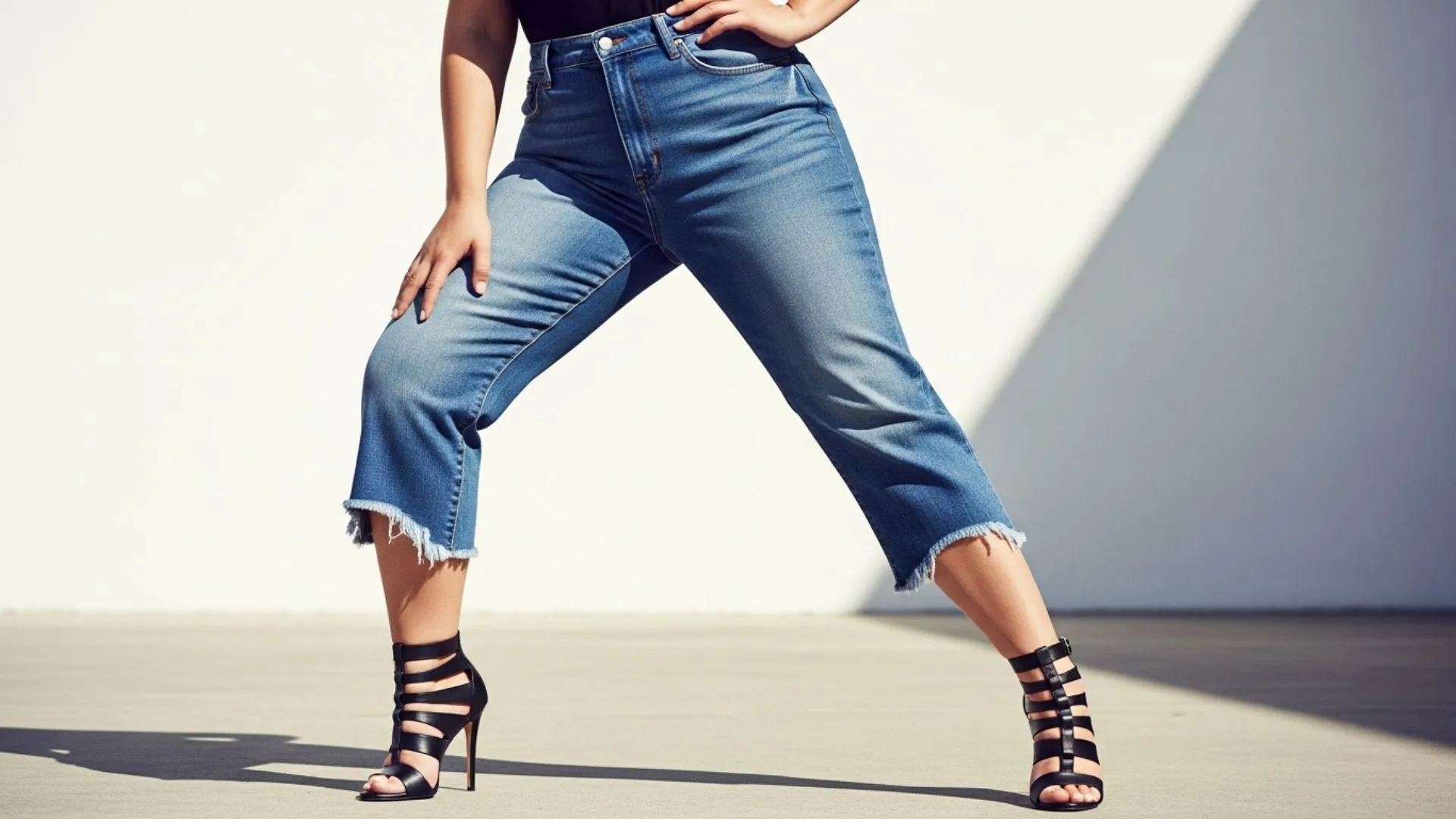
How to Read Denim Labels: Materials, Stretch, and Size Charts
Denim labels in plus size jeans reveal important information about fit and comfort. Understanding fabric composition, stretch percentages, and brand-specific size charts is key to making informed choices.
Materials like cotton blended with elastane, spandex, or polyester offer more stretch and recovery, which is essential for plus size comfort. High-stretch denim adapts to curves, moves with the body, and helps maintain shape throughout the day.
Size charts are not universal. Each brand may use slightly different measurements for waist, hips, and inseam. Always check the specific chart and, when possible, measure your own body for comparison.
Pockets, rise height, and closure style (zipper versus button fly) also affect fit and should be considered according to personal preference and needs.
- Look for 2-5% elastane or spandex for comfort
- Compare brand size charts before purchasing
- Check rise height for desired coverage
- Assess pocket placement for a flattering look
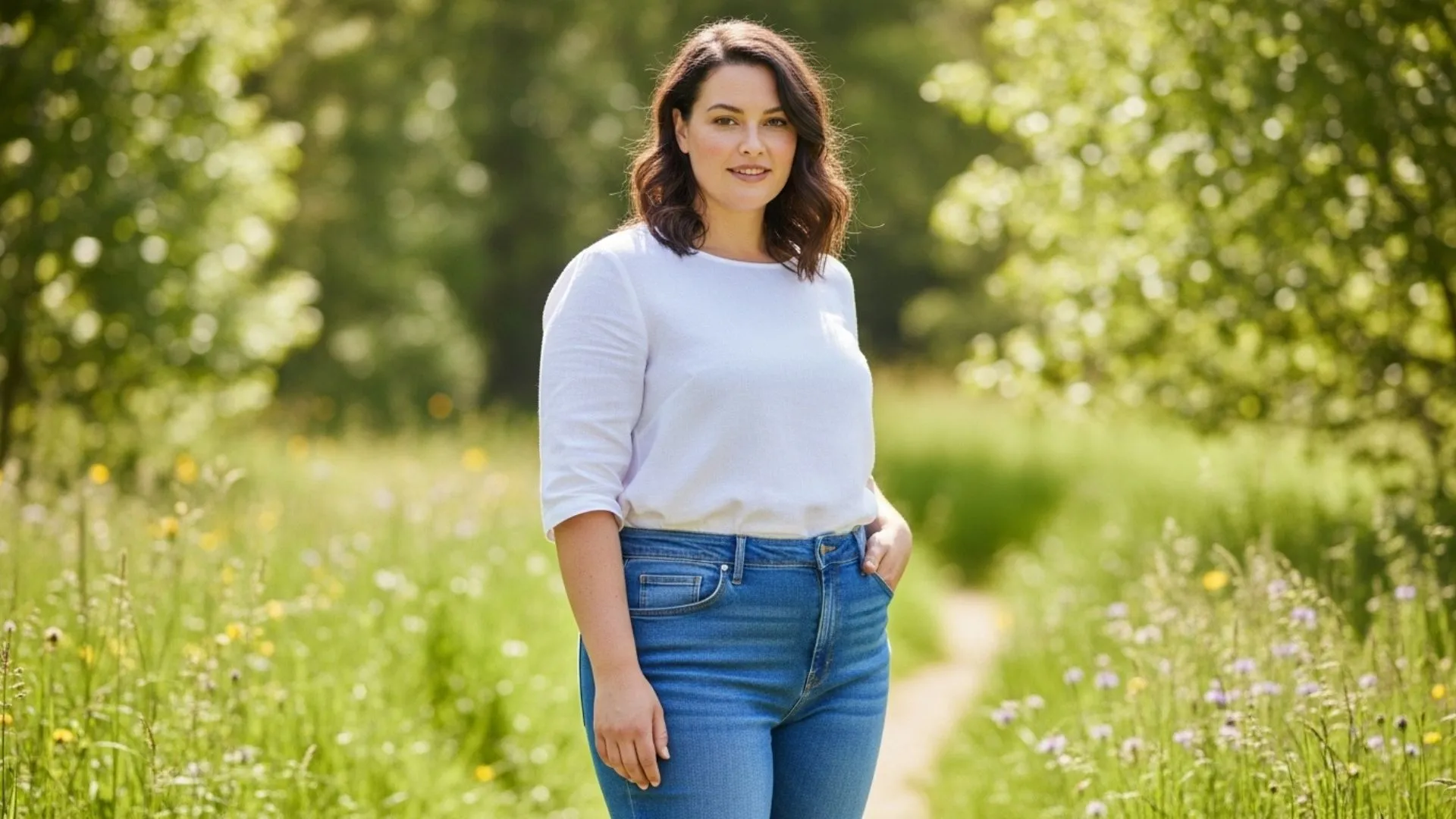
Common Plus Size Jeans Mistakes and How to Avoid Them
Several mistakes are common when choosing plus size jeans, but awareness helps prevent them and leads to better outcomes.
Choosing jeans solely by number size, without considering body shape or cut, leads to disappointment. Focus on fit through the hips and thighs, and don’t hesitate to try different rises or styles.
Ignoring fabric composition can result in jeans that stretch out or lose shape quickly. Prioritize blends with stretch that recover well after wear.
Another frequent error is overlooking the importance of trying on multiple styles or consulting reviews from other plus size consumers. Real-world feedback often highlights how a style fits different body types.
Pontos de atenção:
- Different brands use different measurements
- Stretch fabrics vary in quality and durability
- High rises may not suit all body shapes
- Trying before buying (when possible) reduces risk

Best Practices for Choosing and Wearing Plus Size Jeans
Adopting best practices when selecting plus size jeans ensures a more comfortable and confident experience. Start by prioritizing comfort, then evaluate style and silhouette.
Measure your waist, hips, and inseam accurately. Use these numbers to compare with size charts. If between sizes, consider whether you prefer a snug or relaxed fit, and remember that stretch denim often relaxes slightly during wear.
Trying different cuts—such as straight, bootcut, skinny, or wide-leg—can reveal what works best for your proportions. Don’t be afraid to move around, sit, and bend while trying jeans to test real comfort and flexibility.
For those interested in learning more, Curves in Lace offers additional resources, including guides to curvy fit jeans and fit and comfort tips that expand on these topics.
- Measure your body for best results
- Try a variety of cuts and rises
- Prioritize stretch for comfort
- Read reviews from other plus size consumers
- Explore related guides for deeper understanding
Quick Reference Table: Plus Size Jeans – Fit, Comfort, and Practical Tips
| Plus Size Jeans Element | Practical Impact | Point of Attention / Context | Who Benefits Most |
|---|---|---|---|
| Contoured Waistband | Prevents gaping, improves comfort | May fit differently depending on body shape | Women with fuller hips or defined waists |
| Stretch Denim | Allows movement, reduces tightness | Low-quality stretch may lose shape | Anyone seeking flexibility and daily comfort |
| Rise Height (High, Mid, Low) | Controls coverage and silhouette | High rises may not flatter all midsections | Consumers with specific coverage needs |
| Inseam Variation | Improves leg fit, avoids bunching | Not all brands offer multiple inseams | Taller or shorter plus size women |
| Cut (Skinny, Straight, Bootcut, Wide-Leg) | Shapes the overall look and comfort | Personal taste and occasion matter | All plus size women exploring style options |
Conclusion: Applying Knowledge for Better Fit and Confidence
Choosing plus size jeans that actually fit is a process of understanding your body, reading labels, and prioritizing comfort and confidence. True fit involves waist, hip, thigh, and length considerations, as well as fabric quality and style preferences.
Being aware of common mistakes—such as relying only on number sizing or neglecting fabric composition—helps reduce frustration and wasted purchases. Practical steps like measuring, trying on various cuts, and reading real consumer reviews lead to greater satisfaction and empowerment.
This guide is part of the broader commitment by Curves in Lace to support informed, confident choices in plus size fashion. For those interested in expanding their understanding, it is valuable to explore guides on fit and comfort or see more on curvy fit jeans to deepen knowledge and make every denim purchase more successful.
FAQ
What should I look for in best budget curvy jeans under $50 that actually last?
Look for the rise, waistband shape, hip room, thigh comfort, fabric stretch, and whether the jeans keep their shape after sitting and walking.
Are curvy-fit jeans better than regular jeans?
They can be better for bodies with fuller hips, thighs, or seat because curvy cuts usually offer more room below the waist and reduce waist gap.
How do I avoid waist gap in jeans?
Choose contoured waistbands, curvy cuts, enough hip room, and fabric with recovery. If the waist gaps but hips feel tight, the cut is not right for your shape.
Should jeans feel tight when I first try them on?
They should feel secure, not painful. Denim with stretch may relax slightly, but jeans that pinch, cut, or restrict sitting are usually the wrong size or cut.
What reviews matter most before buying jeans online?
Look for comments about waist gap, thigh room, stretch recovery, length, rise, and whether shoppers with similar curves found the jeans comfortable.