
Affiliate note: This guide may include affiliate links. Plus size lingerie should fit your bust, belly, straps, seams, and fabric comfort at the same time.
- Plus size lingerie fit guide at a glance
- How plus size lingerie should fit
- Best Overall: choose by your main fit problem
- Best Budget Fit Tip: read the size chart fully
- Best for Comfort: fabric and seams
- Best for Curvy Bodies: proportions matter
- Fit concerns compared
- How to test fit at home
- Common sizing mistakes
- Value tips before buying
- What to measure before buying
- Fit by lingerie type
- Online shopping fit tips
- When not to keep a piece
- Quality signs worth paying for
- Where to start with lingerie fit
- Related guides for a better fit
- Where to Go Next
- FAQ
- Conclusion: fit makes lingerie worth wearing
Plus size lingerie fit guide at a glance
| Fit area | Best sign | Watch out for | Helpful style |
|---|---|---|---|
| Bust | Held without spilling | Flattening or gaping | Supportive bras |
| Belly | Skims or supports gently | Rolling bands | Babydolls and high-rise styles |
| Hips | Room to sit and move | Cutting leg openings | Stretch panties |
| Torso | No pulling at shoulders | Short bodysuits | Chemises or adjustable teddies |
| Fabric | Soft stretch recovery | Scratchy lace | Mesh, modal, cotton blends |
How plus size lingerie should fit
Plus size lingerie should feel close to the body without feeling like it is fighting your shape.
💕 Plus Size Fashion Questions? Ask Isabella!
Style, outfits, looks, combinations, fashion tips... quick & caring answers.
💕 Top Plus Size Fashion Picks
Handpicked products that fit and flatter curves


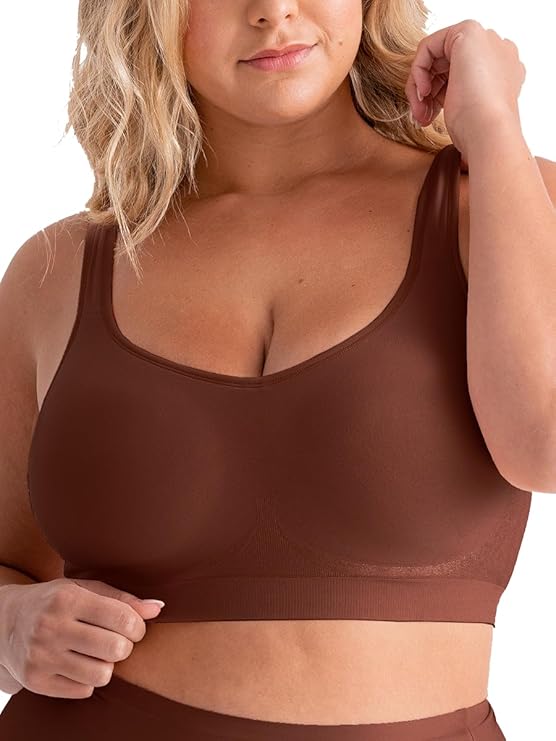

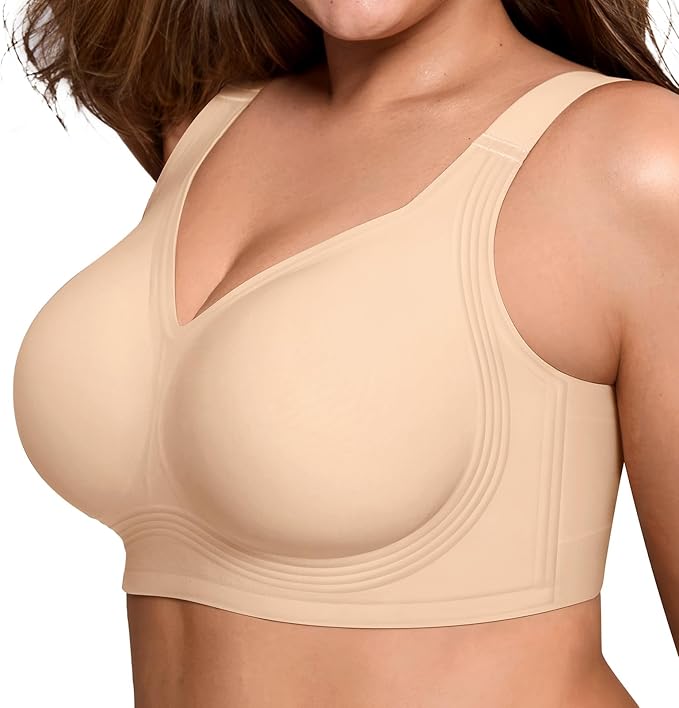


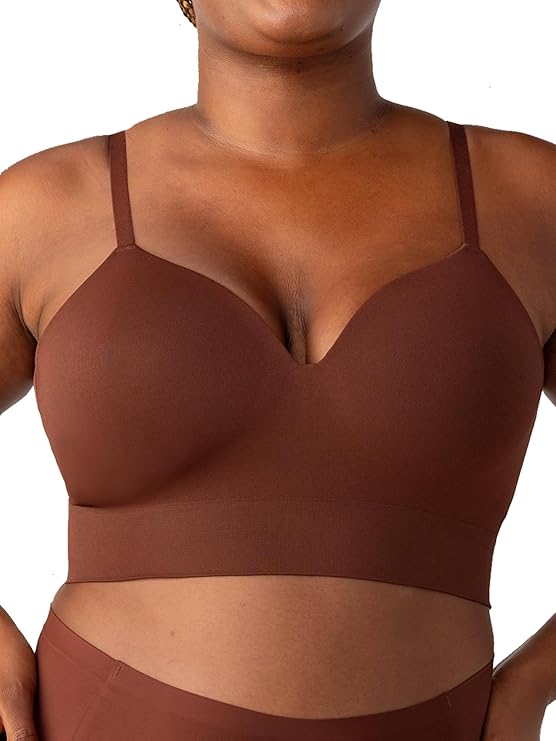


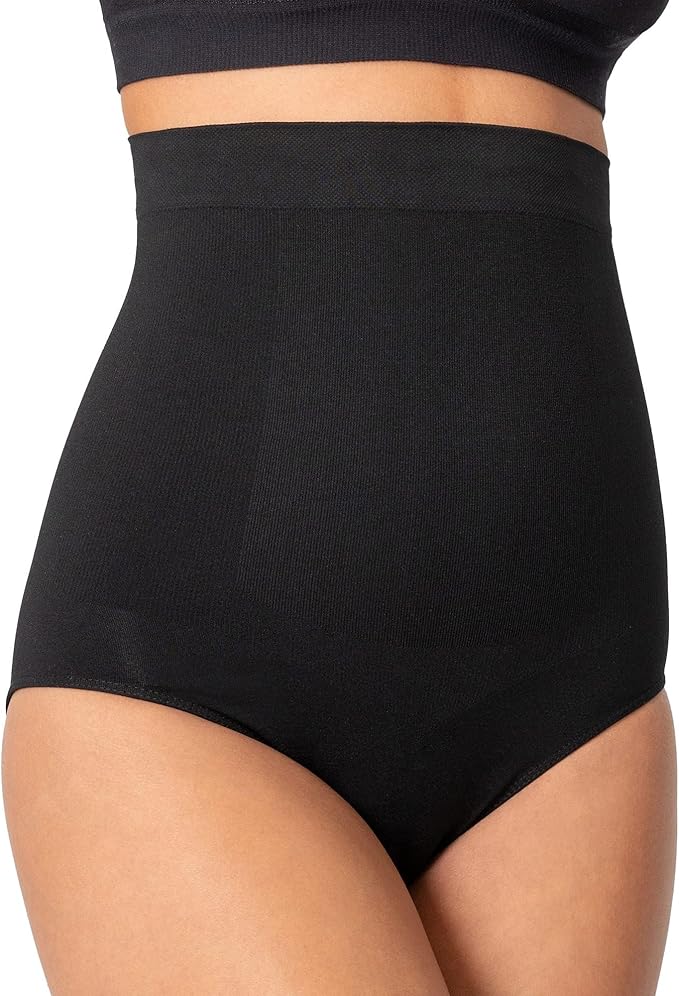


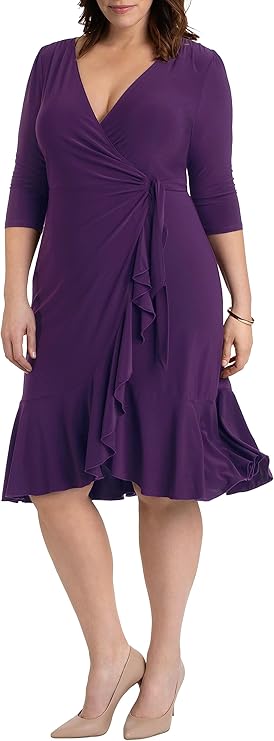
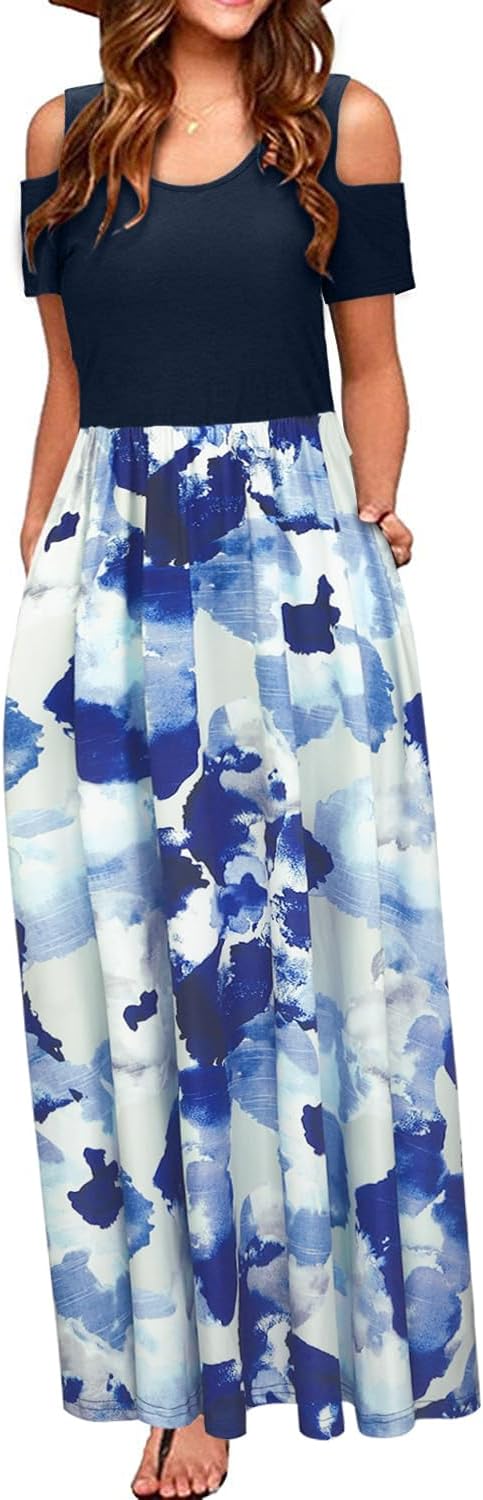
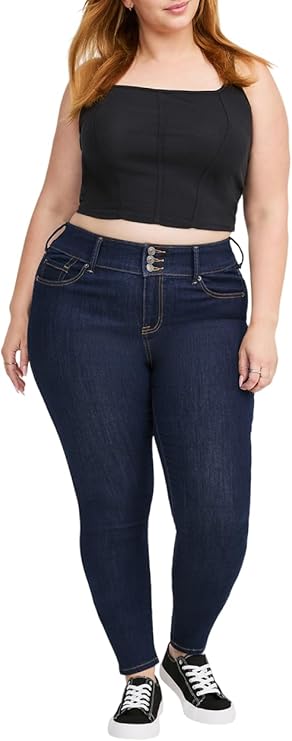


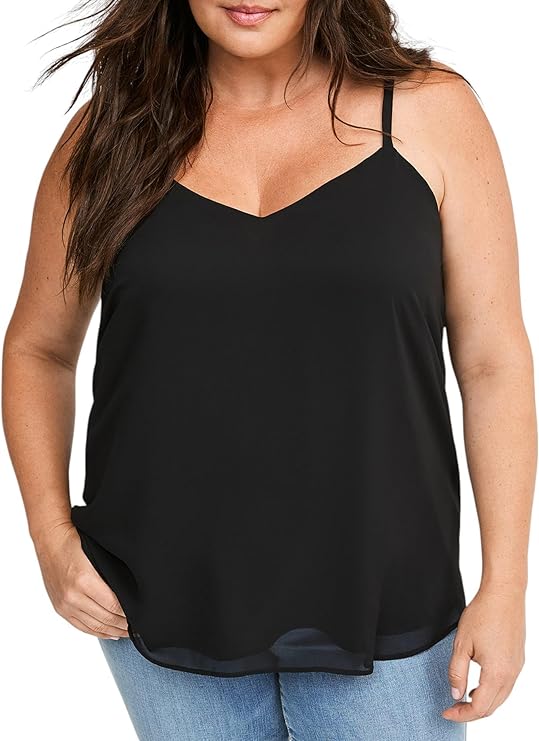
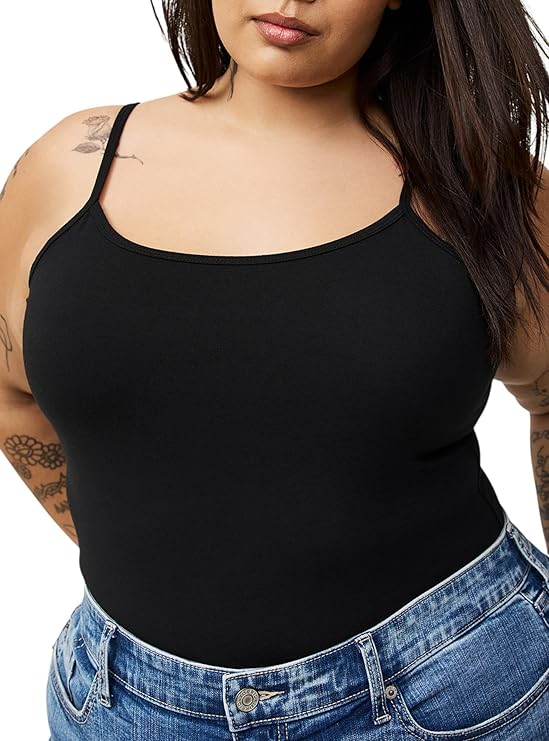
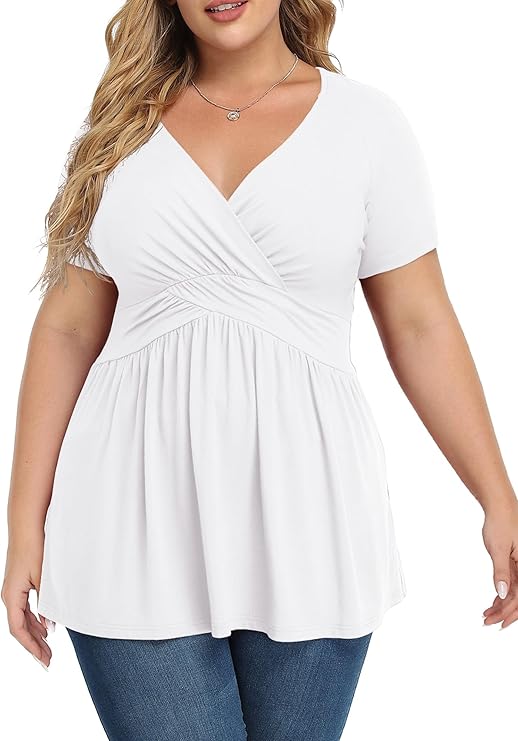


Support should come from structure, fabric, and proportions rather than harsh squeezing.
If you are adjusting a piece every few minutes, it is not the right fit for long wear.
Quick fit checklist
- The bust feels supported and centered.
- The belly area does not roll or pinch.
- The straps adjust without digging.
- The leg openings feel soft.
- The fabric returns to shape after stretching.
Best Overall: choose by your main fit problem
The best lingerie choice depends on what usually bothers you first.
If bras dig, start with band and cup fit. If panties roll, start with rise and waistband. If bodysuits pull, check torso length.
For bra foundations, see our plus size bra guide.
Pros
- Prevents buying by guesswork.
- Helps reduce returns.
- Makes comfort easier to compare.
Cons
- Requires measuring honestly.
- Different brands still fit differently.
Best Budget Fit Tip: read the size chart fully
Do not stop at the letter size.
Check bust, band, waist, hip, torso length, and stretch notes whenever they are available.
A cheaper piece can work well if the measurements match your body and the return policy is fair.
Best for Comfort: fabric and seams
Comfort often fails at the seams before it fails at the style.
Look for soft lining, covered elastic, smooth gussets, and lace that stretches instead of scratching.
For underwear that stays put, compare our plus size underwear that does not roll down guide.
Best for Curvy Bodies: proportions matter
Curvy bodies are not all shaped the same.
Two people can wear the same size and need completely different lingerie because of bust fullness, belly shape, hip width, or torso length.
This is why reviews from shoppers with similar body concerns are more useful than generic star ratings.
Fit concerns compared
| Problem | Likely cause | Better choice |
|---|---|---|
| Band rolls | Wrong rise or weak elastic | Wider waistband |
| Bust spills | Cups too shallow | Deeper cups |
| Bodysuit pulls | Torso too short | Adjustable straps or teddy |
| Lace scratches | Stiff trim | Stretch lace or mesh |
How to test fit at home
Try lingerie when you have time to move, not when you are rushing.
Sit, bend, raise your arms, walk, and check whether the piece still feels good after ten minutes.
If it rolls, shifts, or digs immediately, it will probably feel worse during real wear.
For relaxed silhouettes, see our plus size chemise for curves guide.
Common sizing mistakes
The biggest mistake is sizing down for a smoother look.
Tighter lingerie often creates more rolling, more lines, and less comfort.
Avoid these issues
- Ignoring torso length in one-piece lingerie.
- Buying bras by cup size only.
- Choosing shapewear too small.
- Keeping pieces that need constant adjusting.
- Trusting one brand size across every style.
Value tips before buying
Good fit is the best conversion point because it makes the piece wearable.
Look for clear size charts, flexible returns, detailed photos, and reviews that mention bust, belly, hips, and comfort.
If a product page talks only about being sexy but not fit, buy carefully.
The right lingerie should feel like it was chosen for your body, not squeezed onto it.
What to measure before buying
Measurements are not glamorous, but they save money and frustration.
For bras, measure band and bust. For panties, measure waist and hips. For one-piece lingerie, check torso length when possible.
If your body changes through the month, choose fabric with enough stretch recovery.
Fit should account for real movement, not only standing still.
Fit by lingerie type
| Type | Most important fit point | Common mistake |
|---|---|---|
| Bra | Band and cup depth | Letting straps do all support |
| Panty | Rise and leg opening | Sizing down |
| Bodysuit | Torso length | Ignoring pull at shoulders |
| Chemise | Bust and hip room | Choosing clingy fabric |
Online shopping fit tips
When shopping online, zoom in on seams, straps, closures, and fabric texture.
Look for models shown from the side and back, not only the front.
Read negative reviews first because they often reveal rolling, scratching, or sizing problems.
A detailed product page is usually a better sign than a vague promise of perfect curves.
When not to keep a piece
Do not keep lingerie because it almost fits.
If the piece digs, rolls, gaps, scratches, or changes your posture, it will not become more comfortable with wishful thinking.
Return it while you can and use what you learned to choose better next time.
Fit confidence grows when you stop accepting uncomfortable compromises.
Quality signs worth paying for
Better lingerie often reveals itself in small details.
Look for smooth stitching, covered elastic, sturdy adjusters, soft gussets, and fabric that stretches back into shape.
Those details matter more than decorative bows or dramatic product copy.
A quality piece should feel better after ten minutes, not worse.
That is the simplest fit test.
Where to start with lingerie fit
If lingerie often feels wrong, start by naming the exact fit problem.
Bust support, belly comfort, torso length, and strap placement all matter more than the size label alone.
- Choose adjustable straps when your bust needs more control.
- Choose stretch fabric when sitting comfort matters.
- Check torso length before buying bodysuits or teddies.
The best piece is the one that makes your body feel considered, not corrected.
- Lingerie for apron belly
- Plus size chemise for curves
- Plus size bra support guide
- Underwear that does not roll down
Where to Go Next
For broader outfit planning, start with our curvy body style guide and build from fit, fabric, and comfort.
This keeps the next step useful without forcing a product search before you are ready.
Explore More Curvy Style Guides
FAQ
How should plus size lingerie fit?
It should feel close, supportive, and comfortable without rolling, digging, flattening, or constant adjusting.
Should I size up or down in lingerie?
Use measurements first. Sizing down often causes rolling, while sizing up can reduce support.
How do I know if a bodysuit is too short?
If it pulls at the shoulders, bust, or gusset, the torso length may be too short.
What fabric is best for comfort?
Soft mesh, stretch lace, modal blends, cotton blends, and smooth microfiber can all be comfortable when well made.
Why does my lingerie roll?
Rolling can come from wrong sizing, weak elastic, too much compression, or a rise that does not match your body.
Conclusion: fit makes lingerie worth wearing
A strong plus size lingerie fit guide helps you choose pieces that support your real body.
Focus on bust support, belly comfort, fabric softness, and movement.
When the fit is right, lingerie feels easier, prettier, and more useful.