
Affiliate note: Curves In Lace may earn from qualifying links. Our guidance focuses on fit, comfort, and practical buying decisions.
Plus size underwear rolling down is not a personal failure, and it is not always a size problem.
💕 Plus Size Fashion Questions? Ask Isabella!
Style, outfits, looks, combinations, fashion tips... quick & caring answers.
💕 Top Plus Size Fashion Picks
Handpicked products that fit and flatter curves


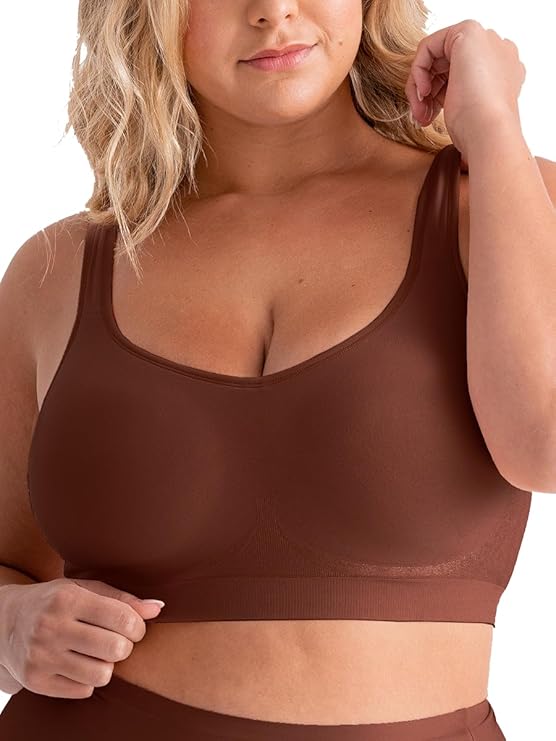

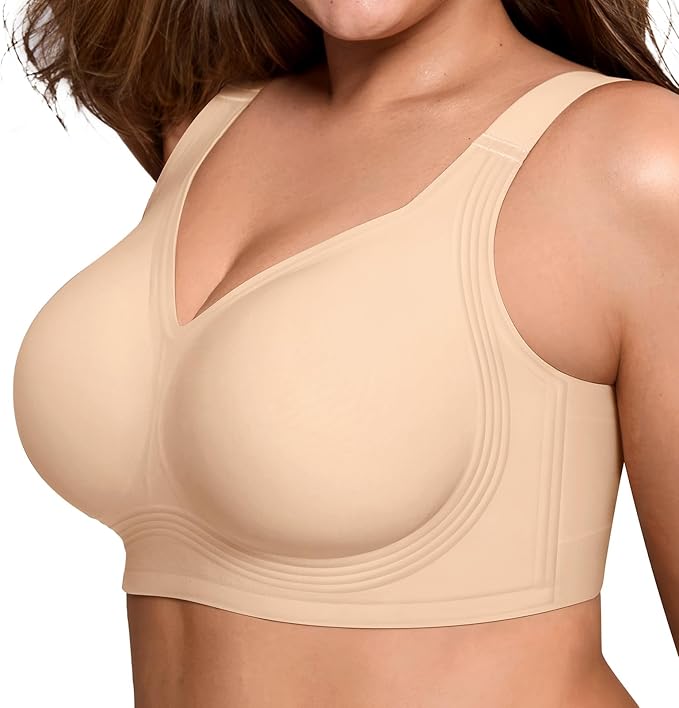


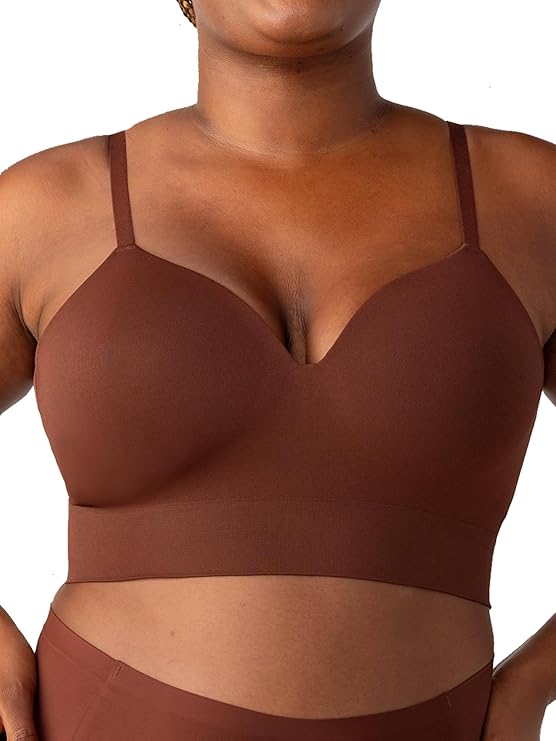


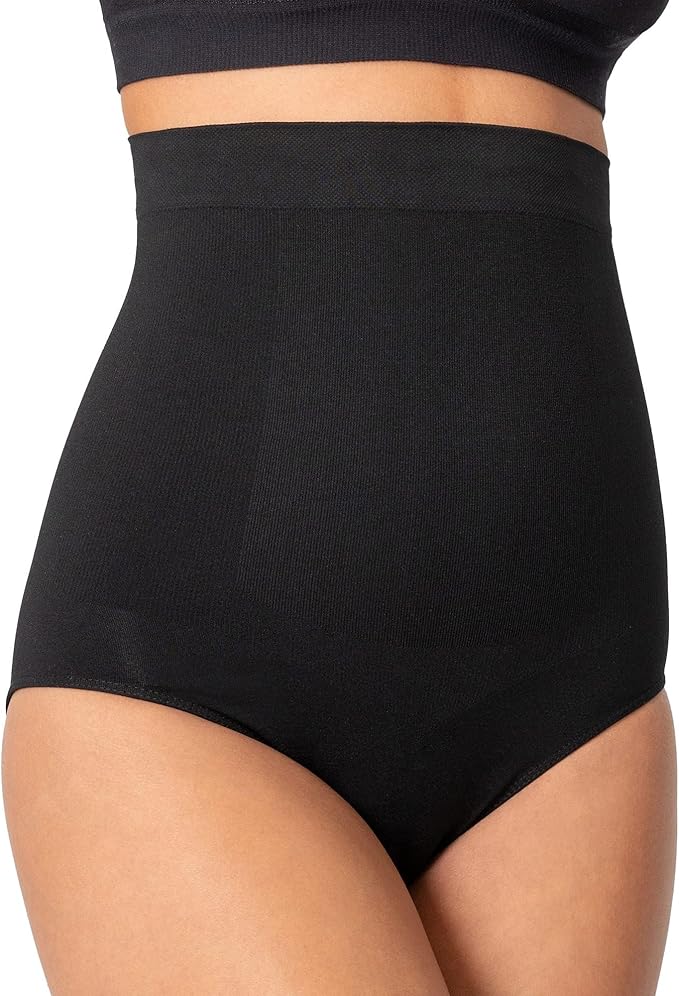


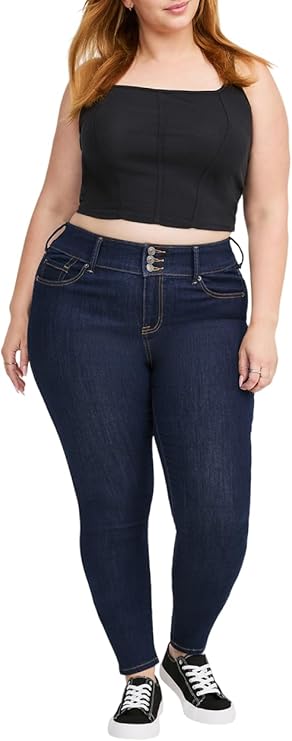


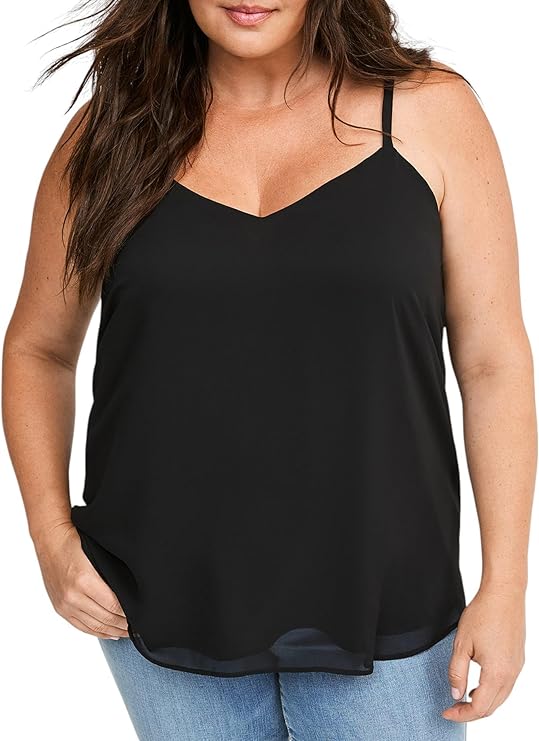
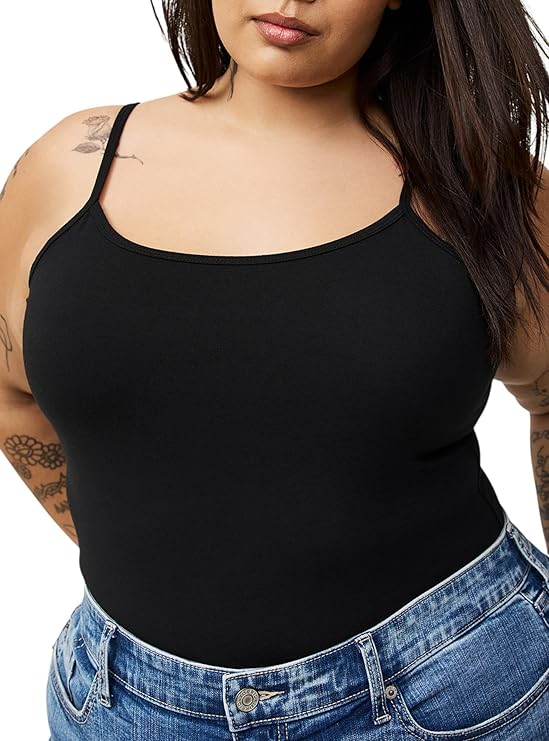
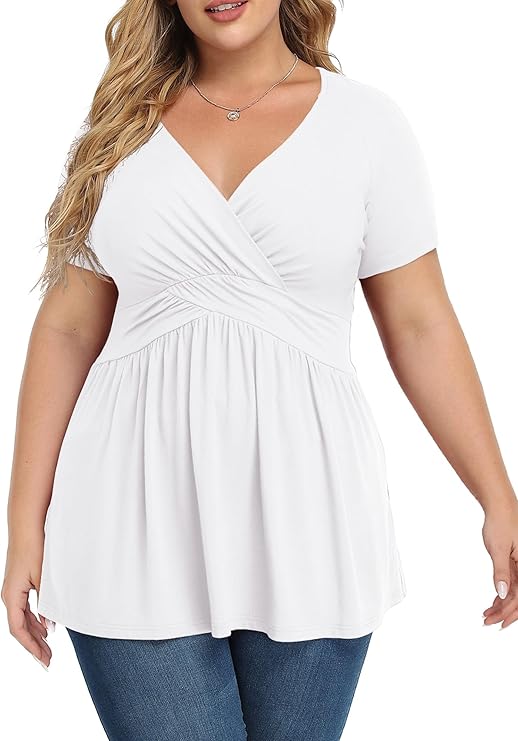


Most of the time, the issue comes from rise, waistband recovery, fabric tension, belly shape, or a cut that cannot move with your body.
This guide explains why it happens and how to choose underwear that feels calmer through sitting, walking, bending, and real daily wear.
- Why plus size underwear rolls down at a glance
- Why plus size underwear rolls down
- Best Overall Fix: choose the right rise
- Best Budget Fix: avoid flimsy waistbands
- Best for Comfort: choose breathable fabric
- Best for Curvy Bodies: check belly and hip fit together
- Best Premium Fix: buy for construction, not labels
- When seamless underwear is better
- Which underwear style is least likely to roll?
- Compare Anti-Roll Underwear by Waistband Design
- FAQ
- Conclusion: the fix is fit, not blame
Why plus size underwear rolls down at a glance
| Cause | What it feels like | Better choice |
|---|---|---|
| Waistband too narrow | Curls under the belly | Wider waistband with recovery |
| Rise too low | Slides below the soft belly | High-rise or full-coverage brief |
| Fabric too flimsy | Stretches out by midday | Cotton blend or supportive microfiber |
| Leg opening too tight | Pulls the panty downward | Softer leg edge or boyshort cut |
| Wrong size balance | Either squeezes or shifts | Check hips, belly, and rise together |
Why plus size underwear rolls down
Underwear rolls when the waistband cannot stay anchored where your body naturally bends and moves.
For curvy bodies, that anchor point is different from person to person. A pair that works on a flat stomach may fold on a soft belly.
That is why the best fix is not always sizing up. Sometimes a bigger size creates more shifting and less support.
Quick fit checklist
- The waistband lies flat when you sit.
- The leg openings do not pull downward.
- The back rise stays high enough.
- The fabric stretches and returns to shape.
- You are not tugging the panty every hour.
For product options, use this article with our guide to plus size underwear that does not roll down.
Best Overall Fix: choose the right rise
Rise is one of the biggest reasons plus size underwear rolls down.
If the waistband hits the softest part of the belly, it may fold each time you sit or bend.
A higher rise can help the waistband sit above the fold, while a mid-rise cut may work better for shorter torsos.
Pros of high-rise underwear
- Better belly coverage.
- Less slipping under dresses and jeans.
- More secure feeling for apron belly shapes.
Possible cons
- Can feel too tall on short torsos.
- May show above low-rise pants.
Fit tip: If the top band folds immediately when you sit, the rise or band height is probably wrong.
Best Budget Fix: avoid flimsy waistbands
A cheap pair can still work, but the waistband needs enough recovery to return after stretching.
When elastic feels thin, loose, or crunchy, it may roll faster under belly pressure.
Look for a waistband that feels soft but firm. It should stretch without losing its shape after a few minutes.
Buying tips
- Choose a wider waistband for more stability.
- Avoid tiny elastic edges that dig into skin.
- Check reviews for rolling and riding up.
- Buy one pair first before ordering a multipack.
Best for Comfort: choose breathable fabric
Comfort is not only about softness. Fabric also affects sweat, stretch, chafing, and how the underwear behaves after hours of wear.
Cotton feels breathable and familiar, but too much cotton with weak elastic can stretch out quickly.
Microfiber can feel smoother under clothes, while mesh panels may help if heat is a concern.
Fabric observations
- Cotton blends are good for everyday breathability.
- Microfiber can reduce visible lines under outfits.
- Lace edges should be soft, not scratchy.
- High-stretch fabric needs good recovery.
For breathable everyday options, read our plus size cotton underwear guide.
Best for Curvy Bodies: check belly and hip fit together
Some underwear fits the hips but not the belly. Other pairs cover the belly but feel loose in the back.
Curvy bodies need enough room through the hips, enough rise through the belly, and enough back coverage to stay balanced.
Common fit concerns
- Waistband rolling under an apron belly.
- Back sliding down when walking.
- Leg openings digging into thick thighs.
- Seams showing under leggings or dresses.
If your main concern is belly coverage, our apron belly lingerie guide may also help.
Premium underwear is worth it only when construction improves comfort.
Better stitching, stronger elastic recovery, smoother seams, and thoughtful sizing matter more than a fancy product description.
Premium buying tips
- Look for size charts with hip and waist guidance.
- Choose soft seams if you sit for long hours.
- Check whether the waistband is sewn or bonded.
- Return pairs that roll on the first wear.
When seamless underwear is better
If rolling is not the only issue, seamless underwear may help with visible lines and fitted outfits.
Seamless styles work best when the edges stay flat without cutting into the belly or hips.
For dresses, leggings, and work outfits, see our plus size seamless underwear guide.
Which underwear style is least likely to roll?
The best style depends on where your underwear usually moves.
If the waistband rolls under the belly, high-rise briefs are often the first style to try.
If leg openings pull downward, boyshorts or softer full-coverage cuts may feel better.
If seams are the issue under clothes, seamless underwear can help, but only if the edges stay flat.
| Style | Best for | Possible issue |
|---|---|---|
| High-rise brief | Belly coverage and secure waist | Can feel too tall on short torsos |
| Cotton brief | Breathable everyday comfort | May stretch if elastic is weak |
| Seamless underwear | Dresses, leggings, fitted outfits | Edges can curl if too thin |
| Boyshort | Thigh comfort and anti-chafe coverage | Legs may ride up on some bodies |
There is no single perfect cut for every curvy body. The best pair is the one that stays quiet while you move.
Compare Anti-Roll Underwear by Waistband Design
Rolling usually comes from the wrong rise, weak elastic, or a waistband that sits in the wrong place.
Compare high-waist briefs, wide waistbands, and stretch recovery before buying another basic pair.
The best anti-roll option should stay calm when you sit, bend, and walk.
Compare Anti-Roll Plus Size Underwear
FAQ
Why does my plus size underwear roll down?
It usually rolls because the waistband, rise, fabric, or cut does not match how your belly, hips, and thighs move.
Should I size up if underwear rolls down?
Not always. Sizing up can create more slipping. First check rise, waistband width, and fabric recovery.
Is high-waisted underwear better for apron belly?
Often, yes. A higher rise can sit above the belly fold and feel more secure during movement.
What fabric is best for underwear that stays up?
Cotton blends, microfiber, and supportive stretch fabrics can work well if the waistband has good recovery.
How do I know if underwear is too small?
If it digs, pinches, creates painful marks, or pulls downward from the leg openings, it may be too small or the wrong cut.
Conclusion: the fix is fit, not blame
Plus size underwear rolls down when the cut, rise, waistband, or fabric is fighting your body.
Choose underwear that works with your belly shape, hip width, thigh comfort, and daily movement.
Once the fit is right, underwear can feel secure enough to stop stealing attention from your day.