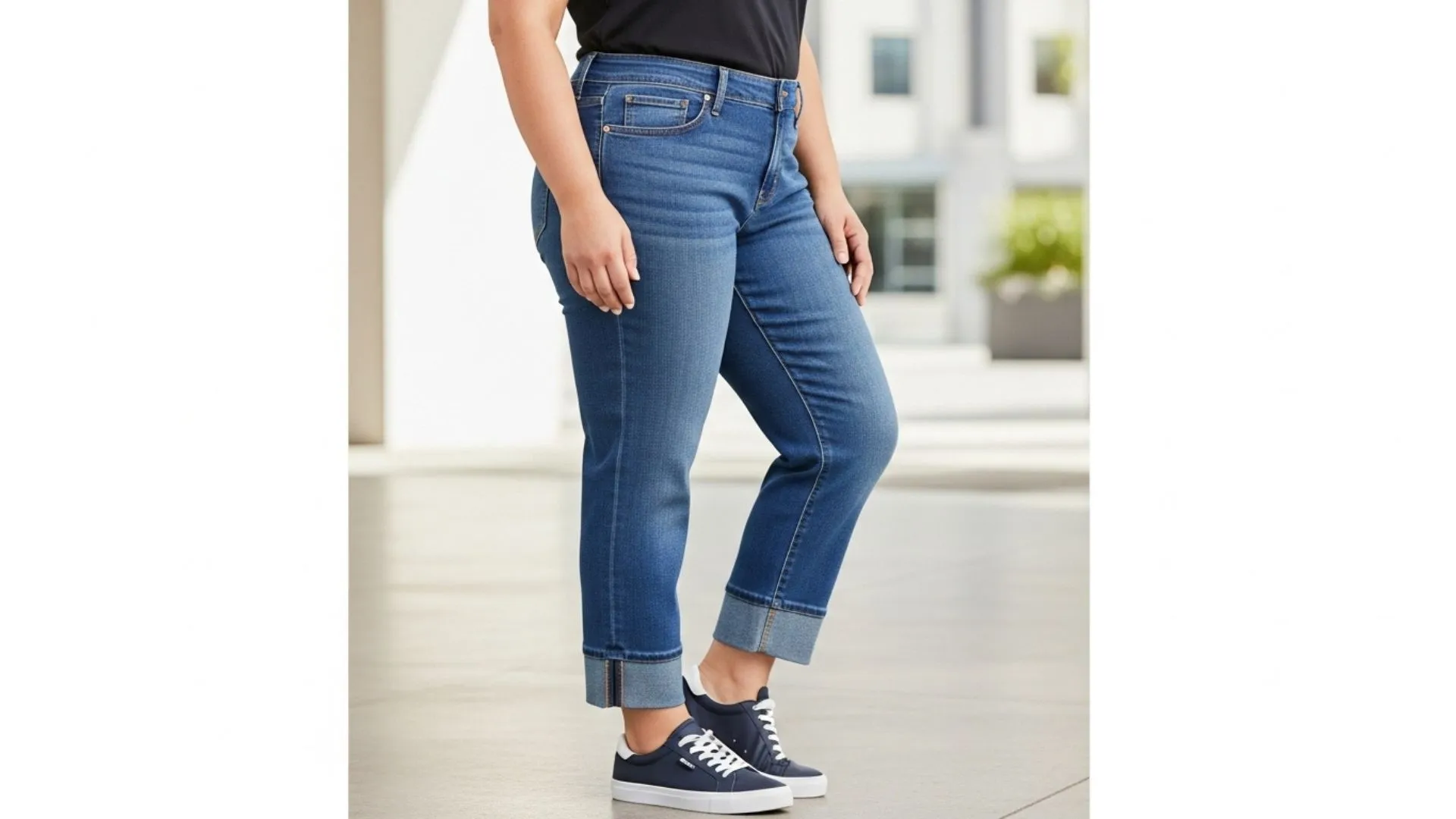
Discover how to identify the best plus size jeans for your body, improve comfort and fit, and avoid common mistakes when choosing denim for curvy figures.
💕 Plus Size Fashion Questions? Ask Isabella!
Style, outfits, looks, combinations, fashion tips... quick & caring answers.
💕 Top Plus Size Fashion Picks
Handpicked products that fit and flatter curves













- What Makes Plus Size Jeans Different: Key Elements for a Perfect Fit
- Understanding Fabrics, Cuts, and Waistbands in Plus Size Jeans
- Common Mistakes When Choosing Plus Size Jeans (and How to Avoid Them)
- How to Assess Fit and Comfort: Practical Steps for Plus Size Jeans
- Essential Table: Key Points for Choosing Plus Size Jeans
- Conclusion: Building Confidence and Comfort with Well-Chosen Plus Size Jeans
- Where to Go Next
- FAQ
- Related Posts
What Makes Plus Size Jeans Different: Key Elements for a Perfect Fit
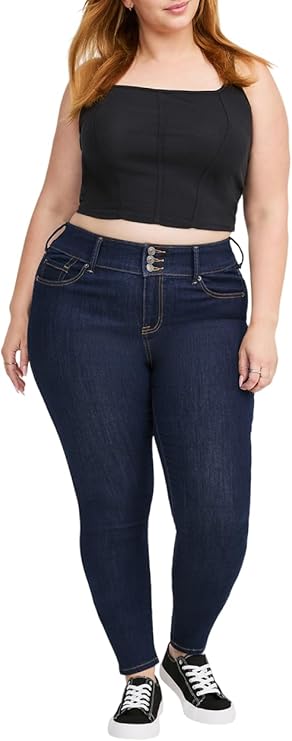
Plus size jeans are a category of denim clothing designed to provide comfort, support, and a flattering silhouette for curvy bodies. The primary function of these jeans is to accommodate fuller hips, thighs, waists, and curves, ensuring that the garment fits without restricting movement or causing discomfort.
The practical context of plus size jeans centers on daily wear, work environments, and social occasions. Women looking for jeans that offer both style and comfort benefit from understanding how these pieces are constructed. Plus size jeans typically feature higher rises, strategic stretch, and tailored cuts that address common fit challenges such as gaping waists, tight thighs, or sagging fabric.
This content is recommended for women seeking to improve their wardrobe with jeans that genuinely fit, especially those who have experienced frustration with standard denim sizing. It is also valuable for anyone interested in learning more about plus size fashion, inclusive design, and the importance of body confidence in clothing choices.
- Enhanced fit for curves: waist, hips, and thighs
- Comfortable stretch fabrics for mobility
- Designed to minimize gaping and bunching
- Styles available for various occasions and preferences
Explore more on curvy fit jeans and detailed reviews for in-depth analysis of denim options for plus size bodies.
Understanding Fabrics, Cuts, and Waistbands in Plus Size Jeans
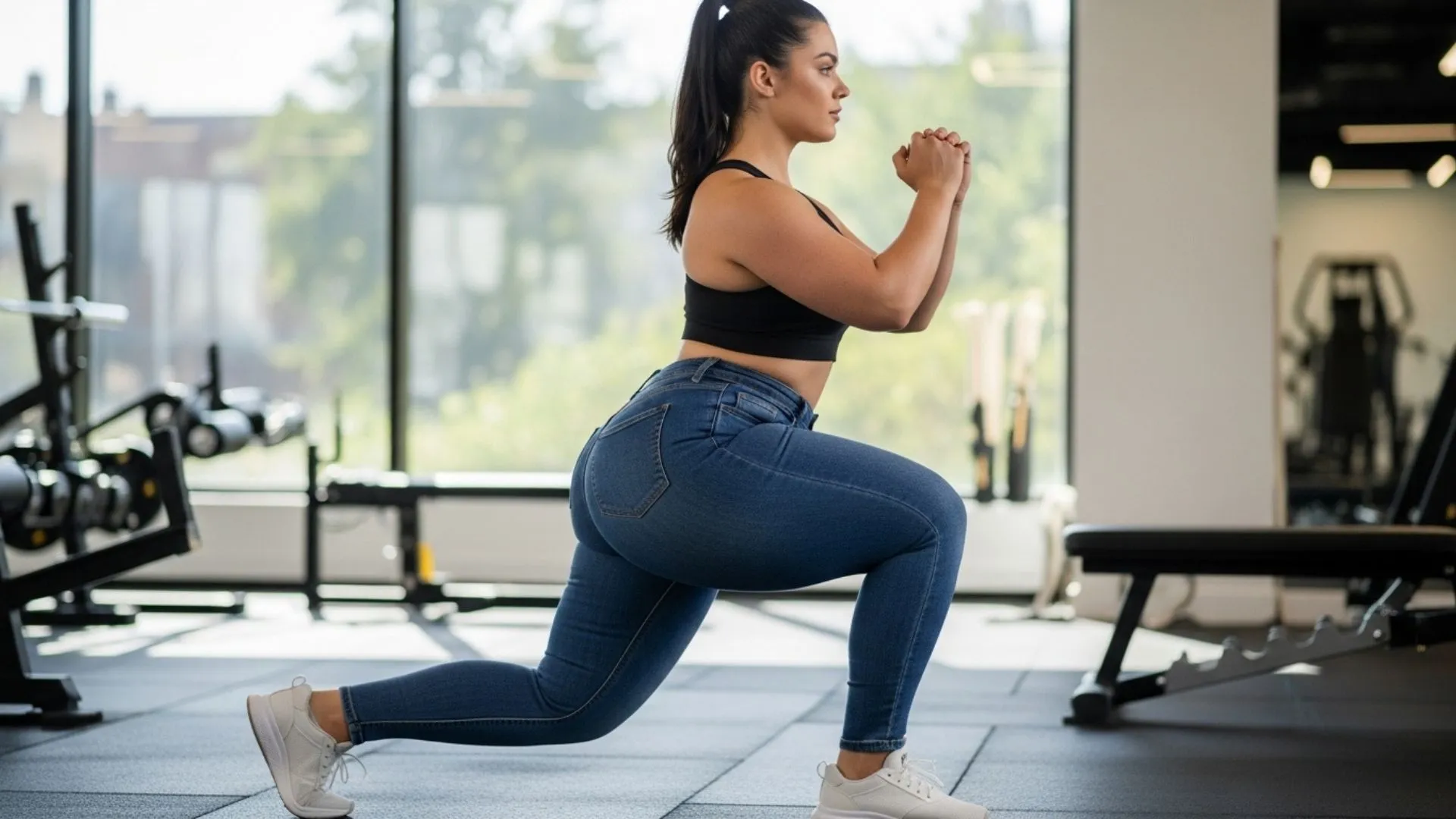
Stretch denim is a fabric commonly used in plus size jeans, combining cotton with elastane or spandex to allow for flexibility and shape retention. The choice of fabric directly influences comfort, durability, and the ability to maintain form throughout the day.
Jeans for curvy figures often feature contoured waistbands that sit higher on the waist, reducing gaping and providing better coverage. Tapered legs, bootcut, straight, and skinny options are all available, each offering unique benefits for different body shapes and style preferences. Selecting the right cut is essential for both comfort and confidence.
Knowing the differences between fabrics and cuts helps reduce common errors, such as choosing jeans that lose shape quickly or feel too restrictive. For those transitioning sizes, or who have experienced inconsistent sizing across brands, understanding material blends and waistband construction is crucial.
- Stretch denim adds flexibility for movement
- Contoured waistbands improve fit and prevent sliding
- Cut selection tailors the look to individual style and body shape
- Proper fabric choice increases longevity and satisfaction
See guides on fit and comfort in plus size clothing to deepen your understanding of fabrics, waistbands, and cuts.
Common Mistakes When Choosing Plus Size Jeans (and How to Avoid Them)
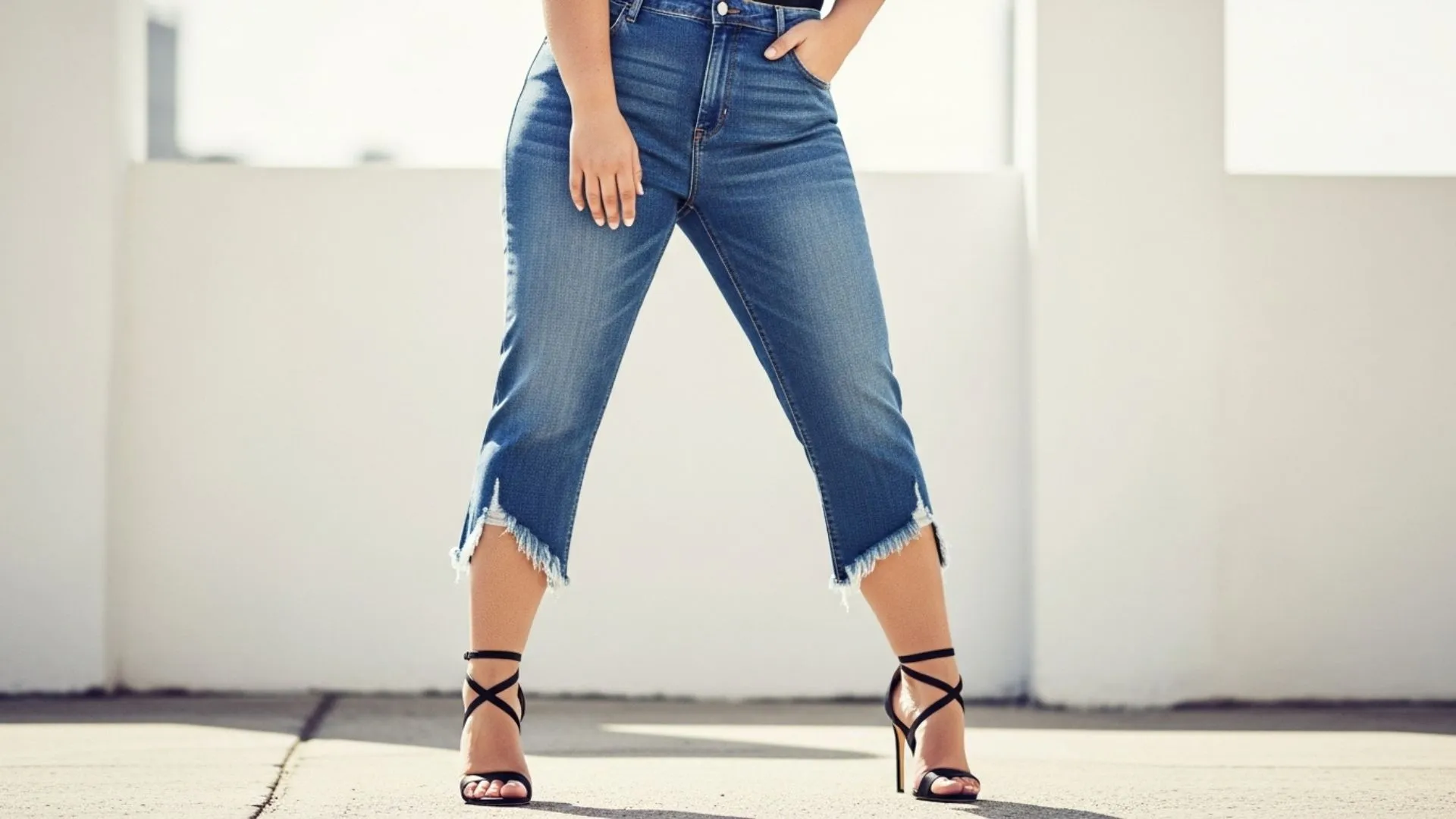
Selecting plus size jeans involves more than picking a larger size; it requires attention to proportion, fabric composition, and cut. A common mistake is relying solely on the labeled size, ignoring how different brands interpret plus size standards. Another frequent error is overlooking the importance of rise and waistband placement, which can lead to discomfort or unflattering fits.
Many shoppers also underestimate the impact of fabric blend, choosing jeans with too little stretch or poor recovery. This results in sagging, bagginess, or restricted movement after a few hours of wear. Understanding that each body is unique, and that jeans should adapt to curves rather than forcing the body to adapt to the garment, is essential.
Practical advice includes always checking brand-specific size charts, reading fabric composition labels, and testing movement when trying on jeans. Prioritizing comfort, not just appearance, leads to more satisfying wardrobe choices.
- Ignoring brand variations in sizing can cause poor fit
- Choosing low-rise jeans may create discomfort for fuller waists
- Insufficient stretch leads to loss of shape and mobility
- Overlooking the return policy can complicate exchanges
Find buying guides and reviews for smarter denim shopping and avoid the most common mistakes in plus size fashion.
How to Assess Fit and Comfort: Practical Steps for Plus Size Jeans
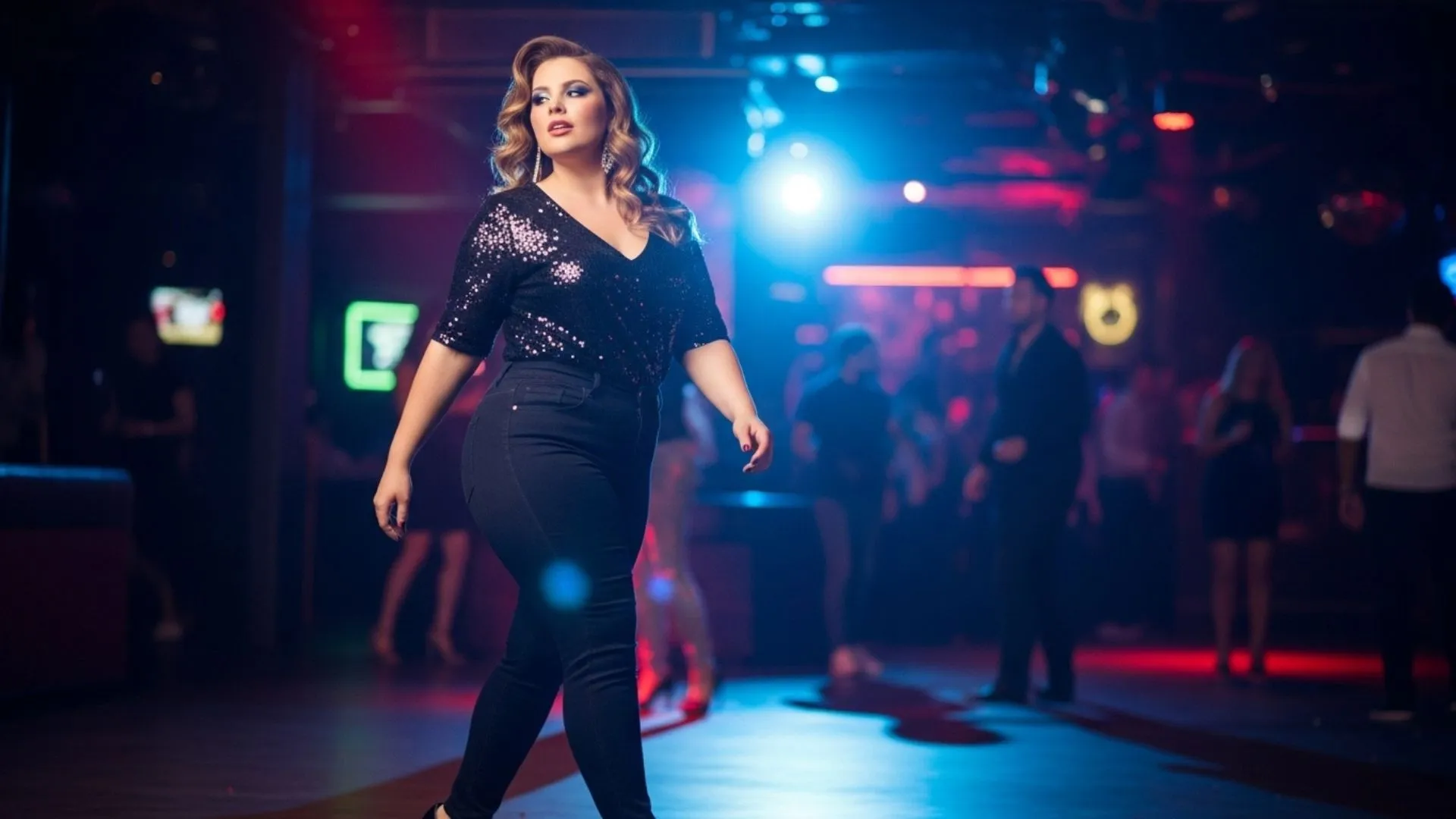
Assessing the fit of plus size jeans is a process that involves more than a quick glance in the mirror. The goal is to ensure the jeans sit comfortably at the waist without digging in, provide ample space in the hips and thighs, and allow for natural movement. The best jeans for curvy bodies are those that support the midsection, offer stretch where needed, and maintain their shape throughout the day.
Start by focusing on the waistband: it should lie flat against the skin without creating bulges or gaps. Next, check for adequate room in the seat and thighs—jeans should not pinch or restrict movement. The rise (distance from crotch to waistband) should correspond to your comfort preference and torso length; many plus size women find mid to high rises most comfortable.
Movement tests are practical: sit, squat, and walk to evaluate if the jeans stay in place and maintain comfort. A good pair of plus size jeans should feel supportive, not constricting, and should adapt to your body’s natural shape.
- Waistband should sit smoothly without rolling or gaping
- Seat and thigh area must allow for movement
- Rise should match comfort and style needs
- Test movement to ensure all-day wearability
Explore content on body confidence and daily comfort for more insights into choosing wardrobe essentials that empower your style.
Essential Table: Key Points for Choosing Plus Size Jeans
| Element of Plus Size Jeans | Practical Meaning | Attention Point / Necessary Context | Who Benefits |
|---|---|---|---|
| Stretch Denim | Improves flexibility and adapts to curves for comfort | Excessive stretch can cause sagging; check fabric blend | Curvy women seeking mobility and shape retention |
| Contoured Waistband | Prevents gaping and ensures jeans stay in place | Sizing varies by brand; always check measurements | Those with fuller waists or hips |
| Cut/Style (e.g., bootcut, skinny) | Shapes the silhouette and complements body type | Not all cuts flatter every shape; try different styles | Women exploring personal style and comfort |
| Rise (mid, high, ultra-high) | Determines coverage and comfort at the waist | Low rises may cause discomfort for plus size bodies | Anyone seeking support and secure fit |
Conclusion: Building Confidence and Comfort with Well-Chosen Plus Size Jeans
Selecting plus size jeans that fit well is about more than following trends; it’s an exercise in self-knowledge, comfort, and body confidence. By understanding the unique aspects of denim designed for curvy figures—such as stretch fabrics, contoured waistbands, and various cuts—you can make more informed decisions, reduce purchase errors, and enjoy jeans that enhance your style and daily comfort.
The key takeaways include prioritizing fit over size labels, paying attention to fabric composition, and being mindful of how different cuts and rises interact with your body. Applying these principles leads to greater satisfaction, a more versatile wardrobe, and increased confidence in every outfit.
For those looking to deepen their understanding, see more plus size fashion content on Curves in Lace, and explore plus size lingerie and shapewear topics for complete guides on building a wardrobe that celebrates your body.
Where to Go Next
If you are still comparing denim cuts, use our curvy jeans fit guide to match rise, stretch, hips, and waistband comfort.
This keeps the next step useful without forcing a product search before you are ready.
Read the Curvy Jeans Fit Guide
FAQ
What should I look for in what jeans are best for extreme curves?
Look for the rise, waistband shape, hip room, thigh comfort, fabric stretch, and whether the jeans keep their shape after sitting and walking.
Are curvy-fit jeans better than regular jeans?
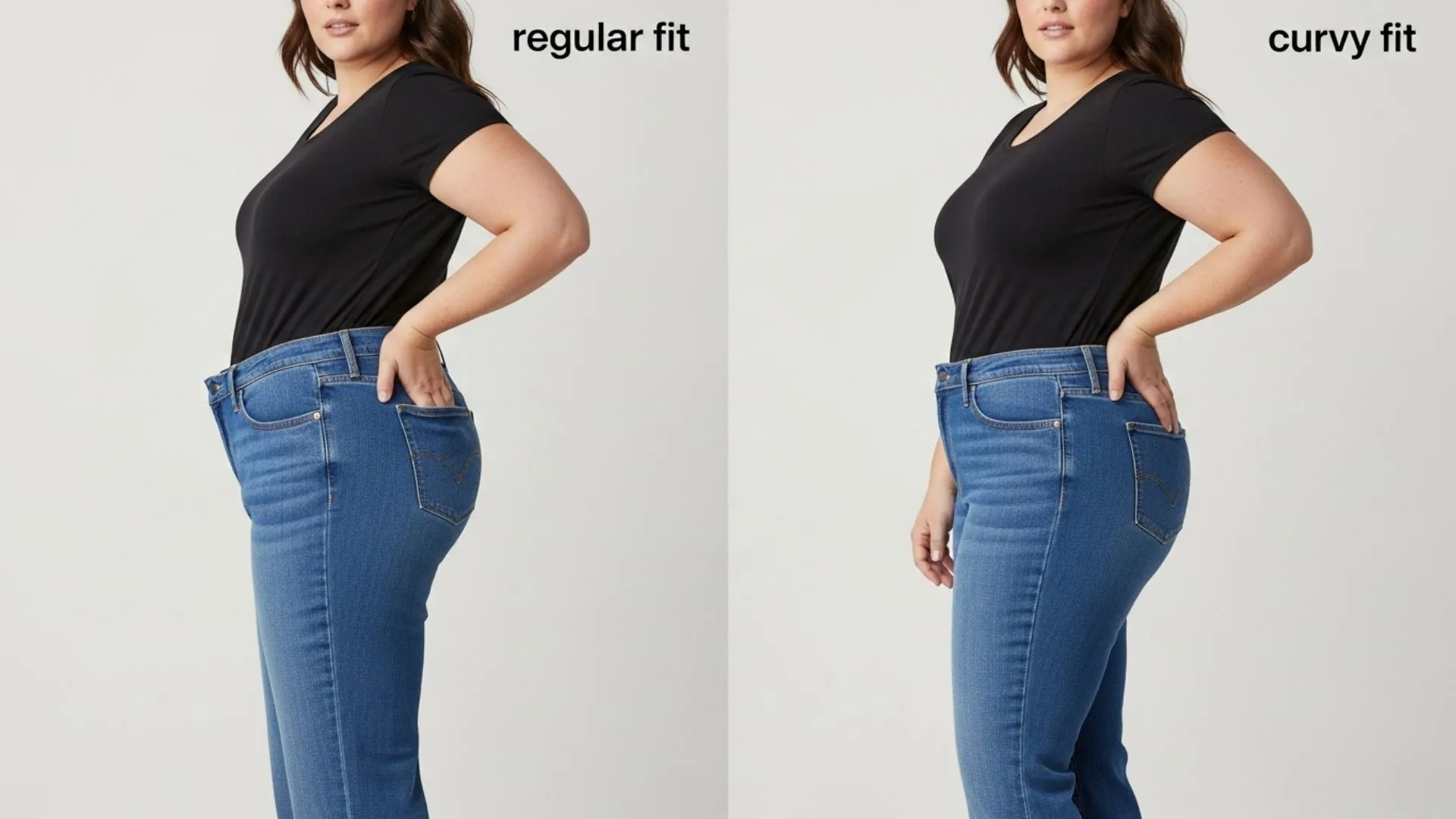
They can be better for bodies with fuller hips, thighs, or seat because curvy cuts usually offer more room below the waist and reduce waist gap.
How do I avoid waist gap in jeans?
Choose contoured waistbands, curvy cuts, enough hip room, and fabric with recovery. If the waist gaps but hips feel tight, the cut is not right for your shape.
Should jeans feel tight when I first try them on?
They should feel secure, not painful. Denim with stretch may relax slightly, but jeans that pinch, cut, or restrict sitting are usually the wrong size or cut.
What reviews matter most before buying jeans online?
Look for comments about waist gap, thigh room, stretch recovery, length, rise, and whether shoppers with similar curves found the jeans comfortable.