
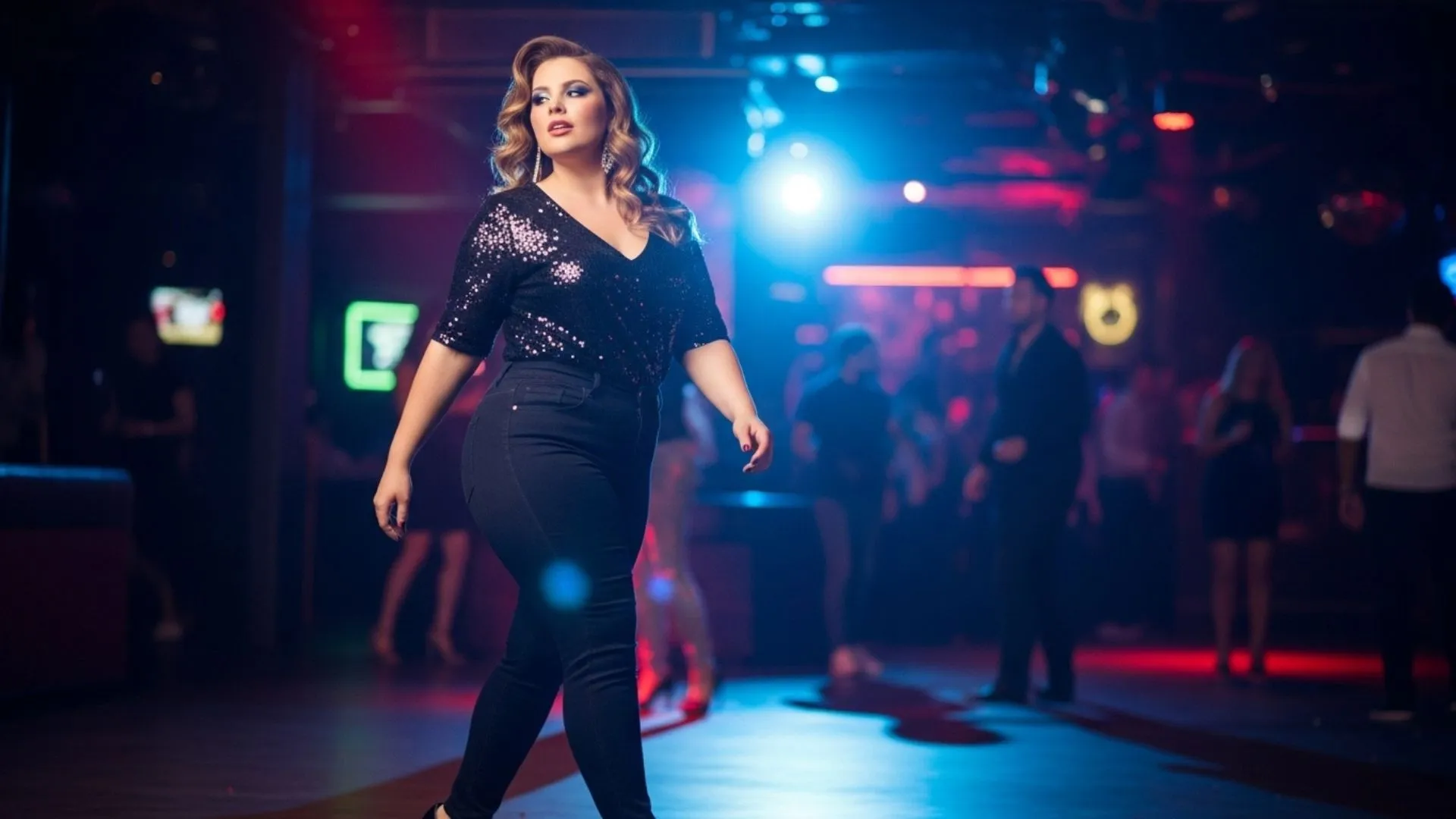
Finding the Perfect Plus Size Jeans Fit: How to Choose, Adjust, and Wear with Confidence
Understanding how to choose, adjust, and wear plus size jeans ensures greater comfort, confidence, and fewer fitting frustrations in everyday life.
💕 Plus Size Fashion Questions? Ask Isabella!
Style, outfits, looks, combinations, fashion tips... quick & caring answers.
💕 Top Plus Size Fashion Picks
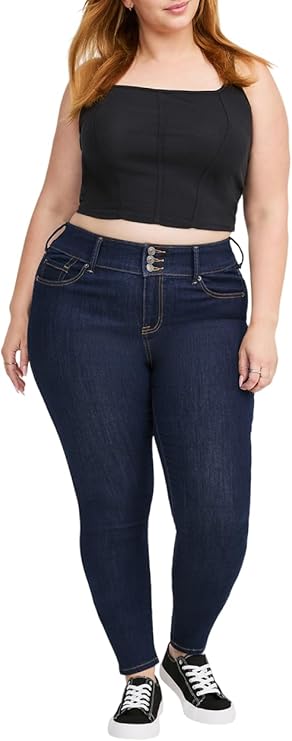
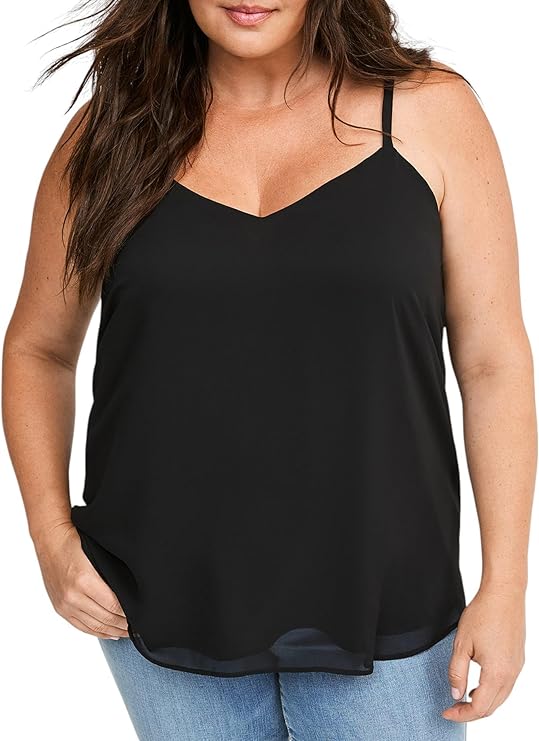
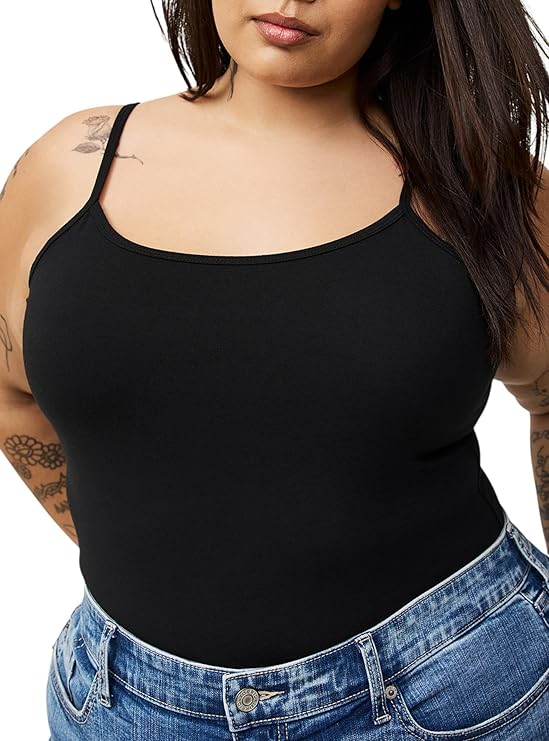
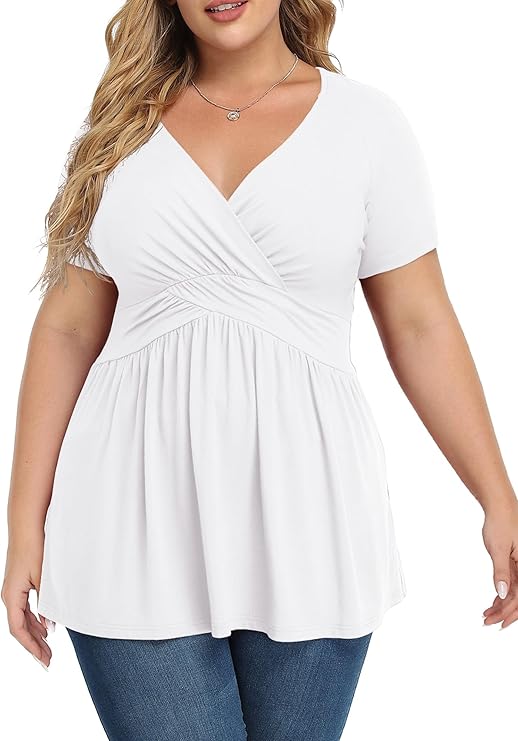
Handpicked products that fit and flatter curves













- What Defines a Good Plus Size Jeans Fit?
- Key Elements: Waist, Hip, Rise, and Inseam in Plus Size Jeans
- Common Fit Challenges and How to Solve Them
- Practical Tips for Trying, Adjusting, and Styling Plus Size Jeans
- Best Fabrics and Cuts for Plus Size Jeans
- Essential Table: Key Points for Plus Size Jeans Fit
- Conclusion: Building Confidence and Comfort with the Right Jeans
- Where to Go Next
- FAQ
- Related Posts
What Defines a Good Plus Size Jeans Fit?
A good plus size jeans fit is a key element in curvy fashion that offers comfort, flatters the body, and provides practical versatility for different occasions. The right fit goes beyond just size; it involves understanding body shape, fabric stretch, rise, and cut, ensuring that jeans enhance confidence rather than restrict movement.
For plus size women, jeans are a wardrobe staple that should empower rather than frustrate. Too often, jeans are chosen based solely on waist size, overlooking crucial aspects like hip proportion, inseam length, and fabric flexibility. This can result in gaping waistbands, excessive tightness at the thighs, or jeans that lose shape throughout the day.
A well-fitting pair of jeans should gently contour the curves, offer ease of movement, and remain comfortable from morning to evening. This is especially important for those seeking practical solutions for daily routines, work, leisure, or social events.
- Reduces discomfort and pinching in sensitive areas
- Prevents common fitting issues like waist gaps and thigh tightness
- Allows for confident styling in both casual and dressy settings
- Promotes a positive relationship with body image and personal style
Selecting jeans based on personal lifestyle, body shape, and comfort needs is essential. Explore more insights on how curvy fit jeans address these challenges.
Key Elements: Waist, Hip, Rise, and Inseam in Plus Size Jeans
Waist, hip, rise, and inseam are foundational elements of plus size jeans that determine overall fit, comfort, and silhouette. Each factor plays a unique role:
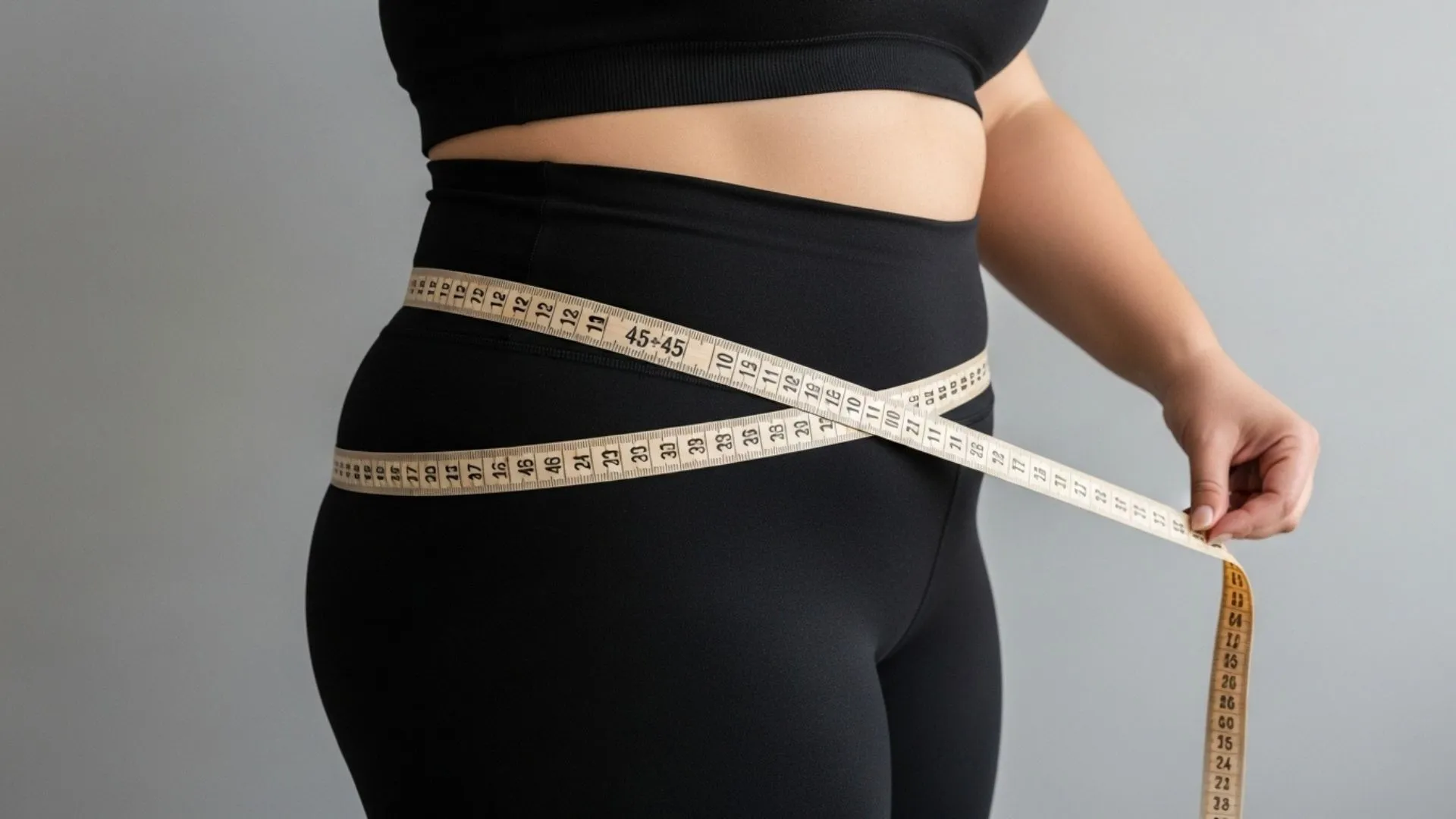
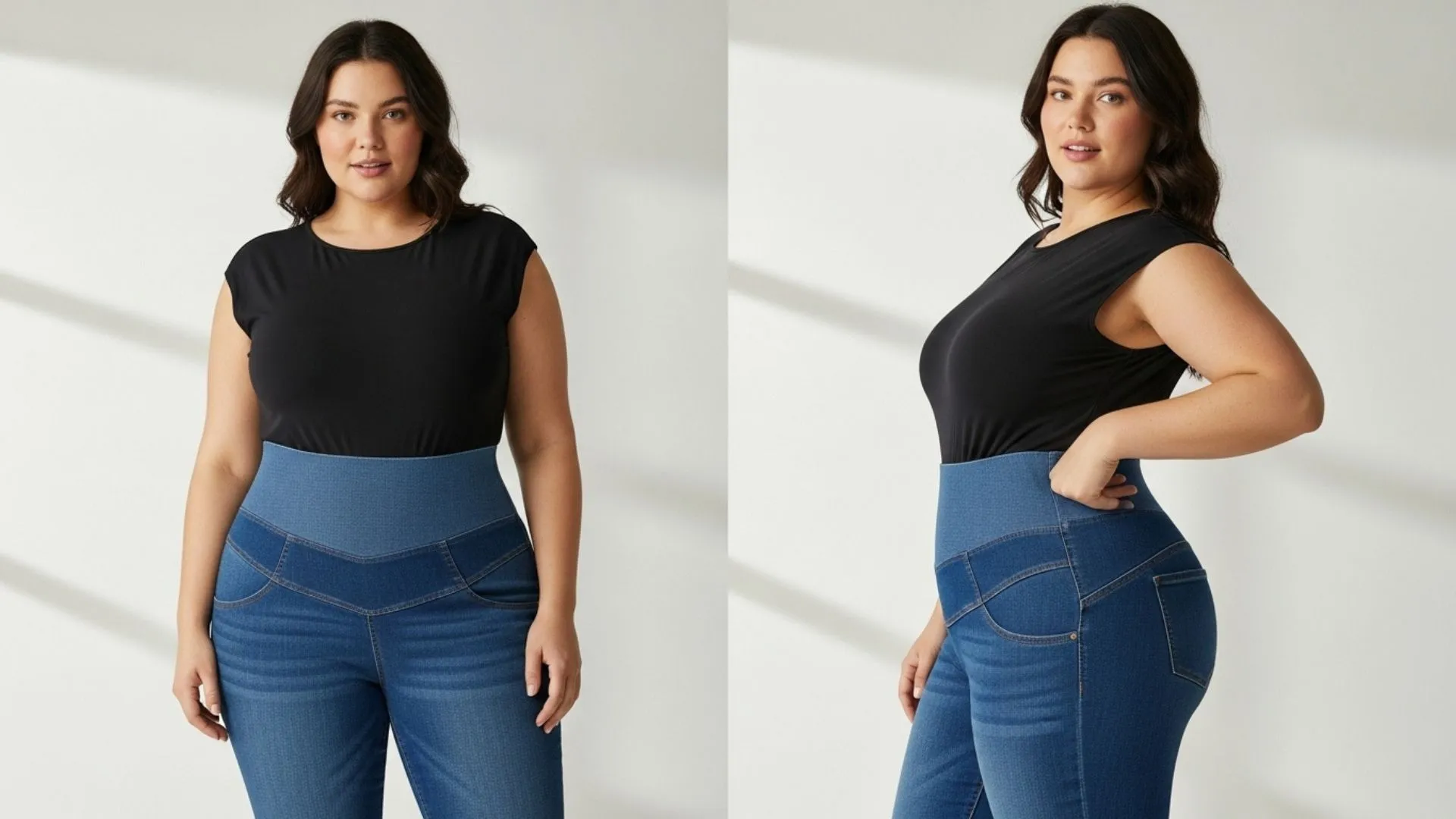
The waist should rest comfortably without digging into the skin or creating gaps at the back. For many plus size bodies, a contoured waistband or a higher rise helps prevent slipping and enhances stability.
The hip area must accommodate curves without excessive pulling or flattening. Stretch denim or jeans with a curvy cut are designed to offer flexibility and hug the body in a flattering way.
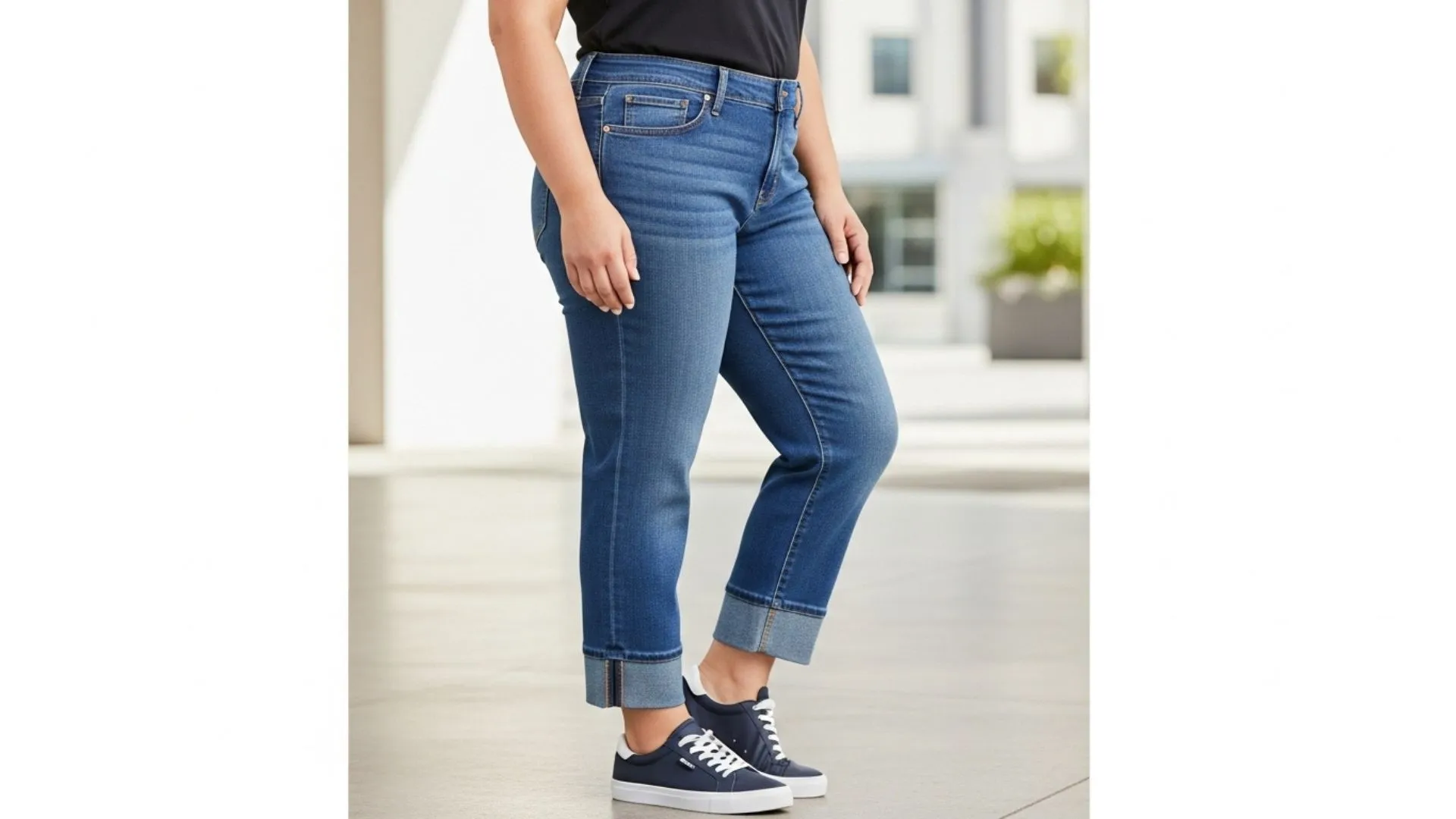
Rise—the distance from crotch to waistband—influences how jeans sit on the body. High-rise options offer more coverage and support, particularly for those who prefer extra security at the midsection. Mid-rise jeans can be more versatile for everyday wear, while low-rise styles may not offer enough coverage for all body types.
Inseam length affects how jeans fall on the legs. It’s important to consider whether you prefer cropped, ankle, or full-length jeans, and to factor in footwear choices such as sneakers, boots, or heels.
- Contoured waistbands prevent gaping and slipping
- Stretch fabrics adapt to hip and thigh curves
- High-rise cuts provide added comfort and support
- Choosing the right inseam ensures proper leg coverage
When shopping or evaluating jeans, always check these elements in relation to your body’s unique shape and movement. For more on practical fit solutions, explore fit and comfort guides for plus size jeans.
Common Fit Challenges and How to Solve Them
Common fit challenges in plus size jeans include waist gaping, thigh tightness, bagging at the knees, and fabric overstretching—issues that often lead to discomfort and dissatisfaction. Understanding these challenges is crucial for making informed choices and minimizing frustration.
Waist gaping usually occurs when jeans are sized for the hips but are too loose at the waist. Look for jeans with a contoured or elasticized waistband, or consider minor tailoring for a perfect fit.
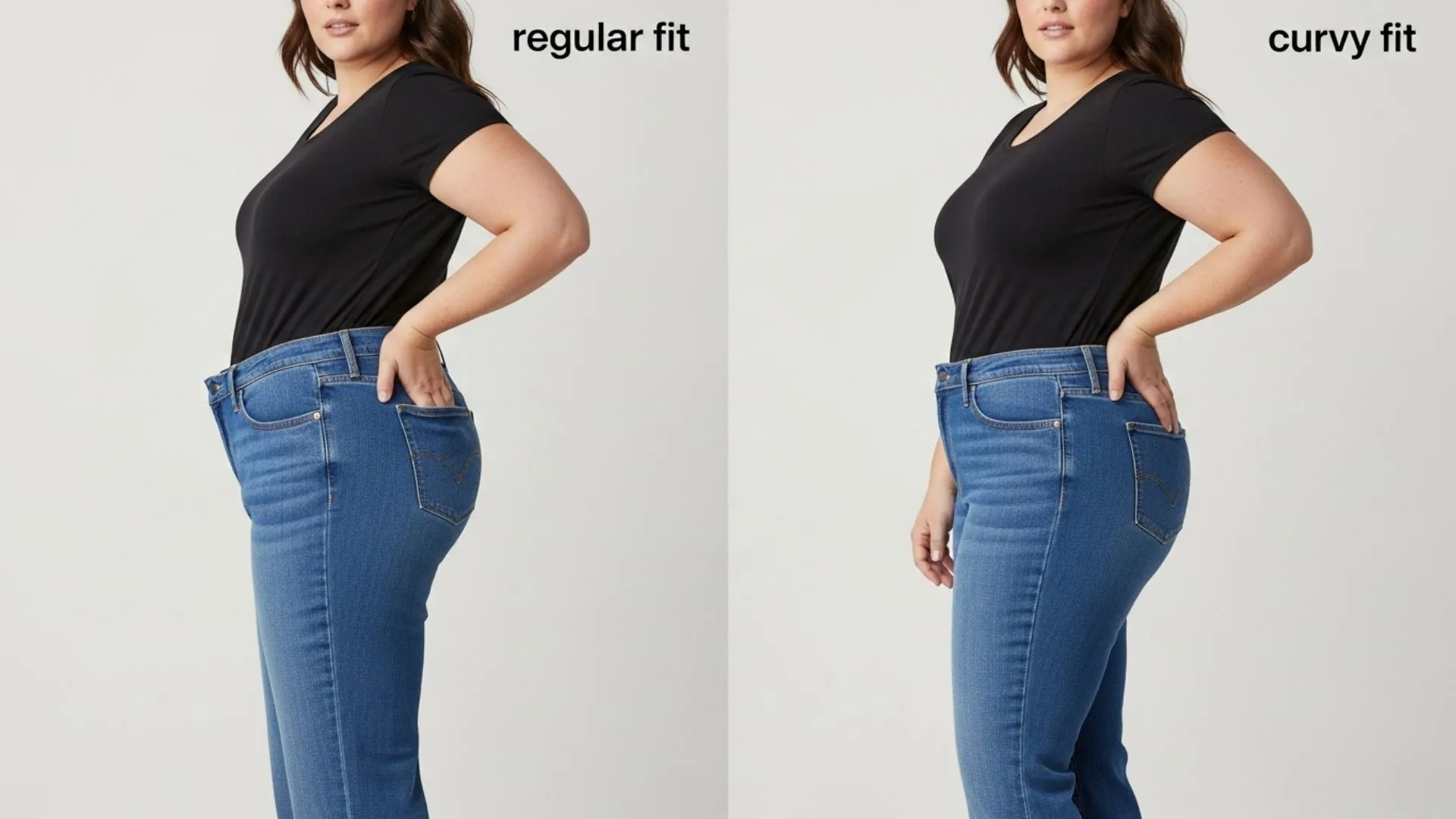
Thigh tightness or restriction may result from non-stretch fabrics or straight cuts that do not accommodate curves. Opt for jeans labeled as “curvy fit” or those with 2–5% elastane for better movement.
Bagging at the knees and loss of shape can be caused by lower-quality fabrics or improper sizing. Premium denim blends and reinforced stitching help preserve structure.
Fabric overstretching happens when jeans contain too much stretch fiber, leading to sagging after a few wears. Balance is key—look for jeans with moderate stretch that recover well after washing.
- Choose jeans with structured yet flexible waistbands
- Prioritize stretch fabrics for thigh comfort
- Check for reinforced seams to prevent knee bagging
- Wash jeans inside out and avoid high heat to maintain shape
Addressing these challenges supports both comfort and confidence. For a deeper dive, see buying guides and reviews that break down fit and fabric choices.
Practical Tips for Trying, Adjusting, and Styling Plus Size Jeans
Trying, adjusting, and styling plus size jeans is a process that involves awareness of fit, personal comfort, and creative expression. Practical steps can make the experience smoother and more rewarding.
When trying jeans, sit, bend, and walk to test comfort and mobility. Observe if the waistband stays in place, if the fabric stretches appropriately, and if there’s any pulling or bunching.
If minor adjustments are needed, simple tailoring—such as taking in the waist or shortening the hem—can make a significant difference. Many plus size women find that off-the-rack jeans require small modifications for optimal fit.
Styling is about embracing your body and expressing personal taste. Pair high-rise jeans with tucked-in tops to highlight the waist, or opt for bootcut and flare styles to balance proportions. Dark washes tend to elongate the legs, while lighter washes offer casual versatility.
- Always move around when trying new jeans
- Consider tailoring for a truly customized fit
- Experiment with different cuts—straight, skinny, flare—to suit mood and occasion
- Use belts, layering, and footwear to enhance your look
For more advice on adapting jeans to your style, explore body confidence and lifestyle tips.
Best Fabrics and Cuts for Plus Size Jeans
Best fabrics and cuts for plus size jeans are those that combine structure with stretch, ensuring both support and flexibility for curvy figures. Denim blends containing cotton, polyester, and a small percentage of elastane or spandex are widely recommended for their ability to hug curves without losing shape.
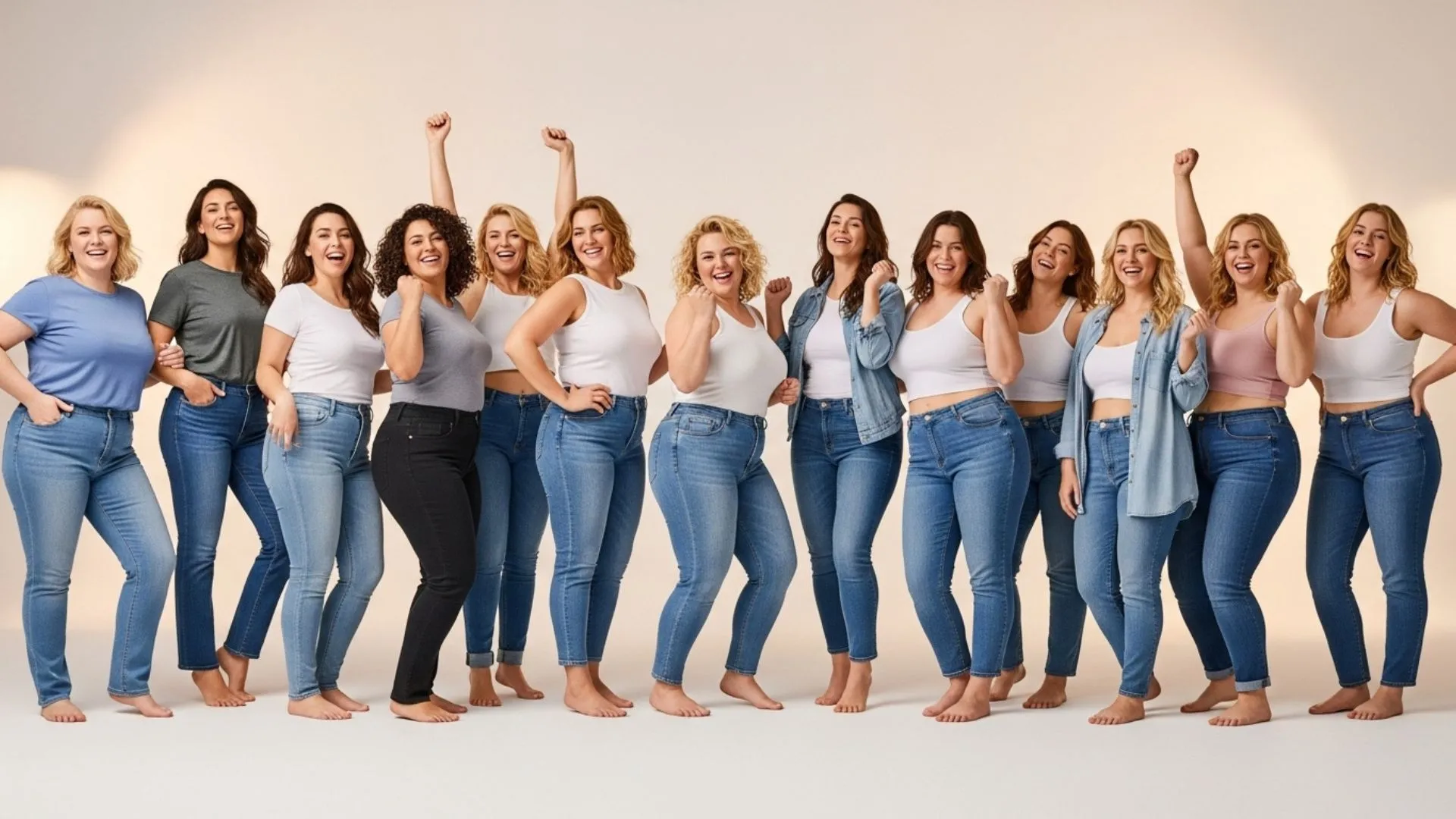
Classic straight-leg, bootcut, and relaxed-fit jeans offer balanced proportions and accommodate fuller hips and thighs. Skinny jeans with high stretch are also popular, provided they retain their shape and do not compress uncomfortably.
Wide-leg and flare jeans create visual harmony and can balance out the silhouette, especially when paired with fitted tops. Cropped and ankle-length options are ideal for showcasing footwear and adapting to seasonal trends.
- Look for denim blends with 2–5% elastane for comfort and recovery
- Structured cuts prevent sagging and enhance body shape
- Bootcut and flare styles suit a wide range of body types
- Wide-leg jeans offer airflow and ease for warmer days
Choosing the right fabric and cut is fundamental for lasting comfort and style. For more on denim types and their real-world applications, see other plus size fashion content.
Essential Table: Key Points for Plus Size Jeans Fit
| Element of Plus Size Jeans | What It Means in Practice | Point of Attention / Context | Who It’s Recommended For |
|---|---|---|---|
| Contoured Waistband | Prevents gaping and slipping, enhances comfort | May require trying different brands or tailoring | Anyone seeking a secure, comfortable waist fit |
| Stretch Denim (2–5% Elastane) | Allows movement, adapts to curves, maintains shape | Too much stretch can cause sagging; balance is key | Everyday wearers, active lifestyles, comfort seekers |
| High-Rise Cut | Offers tummy coverage, supports midsection | Not all high-rise fits are comfortable for all bodies | Those wanting coverage, support, and versatility |
| Bootcut / Flare Leg | Balances proportions, flatters fuller hips and thighs | Length may need adjustment for different heights | Curvy women wanting classic, balanced silhouettes |
Conclusion: Building Confidence and Comfort with the Right Jeans
Choosing, adjusting, and styling plus size jeans is a practical journey toward greater comfort, self-assurance, and personal style. Understanding the importance of fit—through waist, hip, rise, and fabric—empowers women to make more conscious decisions, avoid common buying mistakes, and truly enjoy the versatility of denim.
By prioritizing structured waistbands, stretch fabrics, and cuts that complement your shape, it becomes easier to find jeans that support both body and confidence. Paying attention to details like inseam length, fabric composition, and tailoring needs ensures a positive relationship with denim and with your own image.
For those seeking to deepen their knowledge, Curves in Lace offers a range of resources on fit and comfort in plus size fashion, curvy fit jeans, and body confidence and lifestyle. Exploring these materials encourages informed choices and a more enjoyable experience with every pair of jeans.
Where to Go Next
If you are still comparing denim cuts, use our curvy jeans fit guide to match rise, stretch, hips, and waistband comfort.
This keeps the next step useful without forcing a product search before you are ready.
Read the Curvy Jeans Fit Guide
FAQ
What should I look for in are 100% cotton jeans good for curvy bodies? rigid denim guide?
Look for the rise, waistband shape, hip room, thigh comfort, fabric stretch, and whether the jeans keep their shape after sitting and walking.
Are curvy-fit jeans better than regular jeans?
They can be better for bodies with fuller hips, thighs, or seat because curvy cuts usually offer more room below the waist and reduce waist gap.
How do I avoid waist gap in jeans?
Choose contoured waistbands, curvy cuts, enough hip room, and fabric with recovery. If the waist gaps but hips feel tight, the cut is not right for your shape.
Should jeans feel tight when I first try them on?
They should feel secure, not painful. Denim with stretch may relax slightly, but jeans that pinch, cut, or restrict sitting are usually the wrong size or cut.
What reviews matter most before buying jeans online?
Look for comments about waist gap, thigh room, stretch recovery, length, rise, and whether shoppers with similar curves found the jeans comfortable.