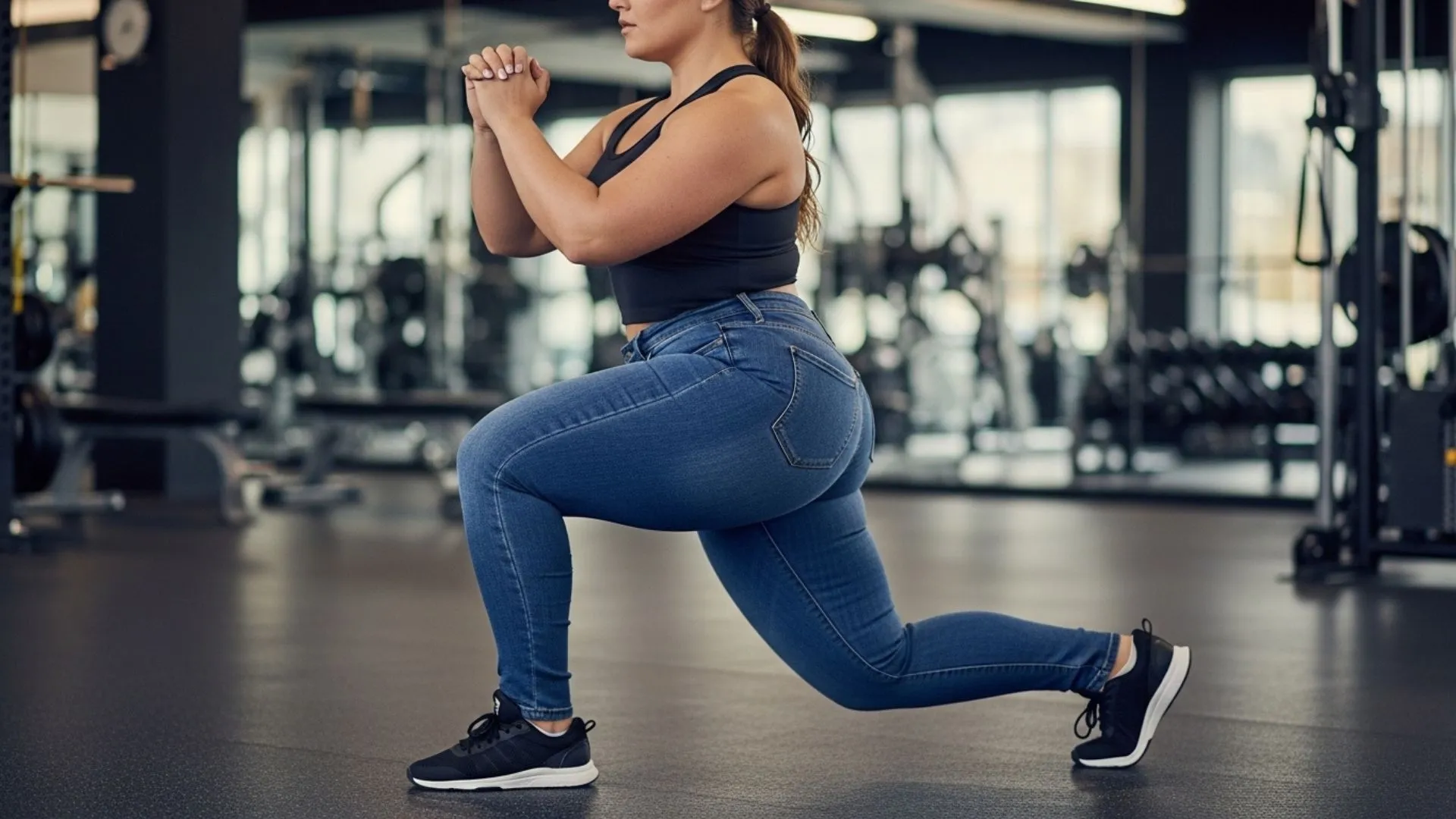
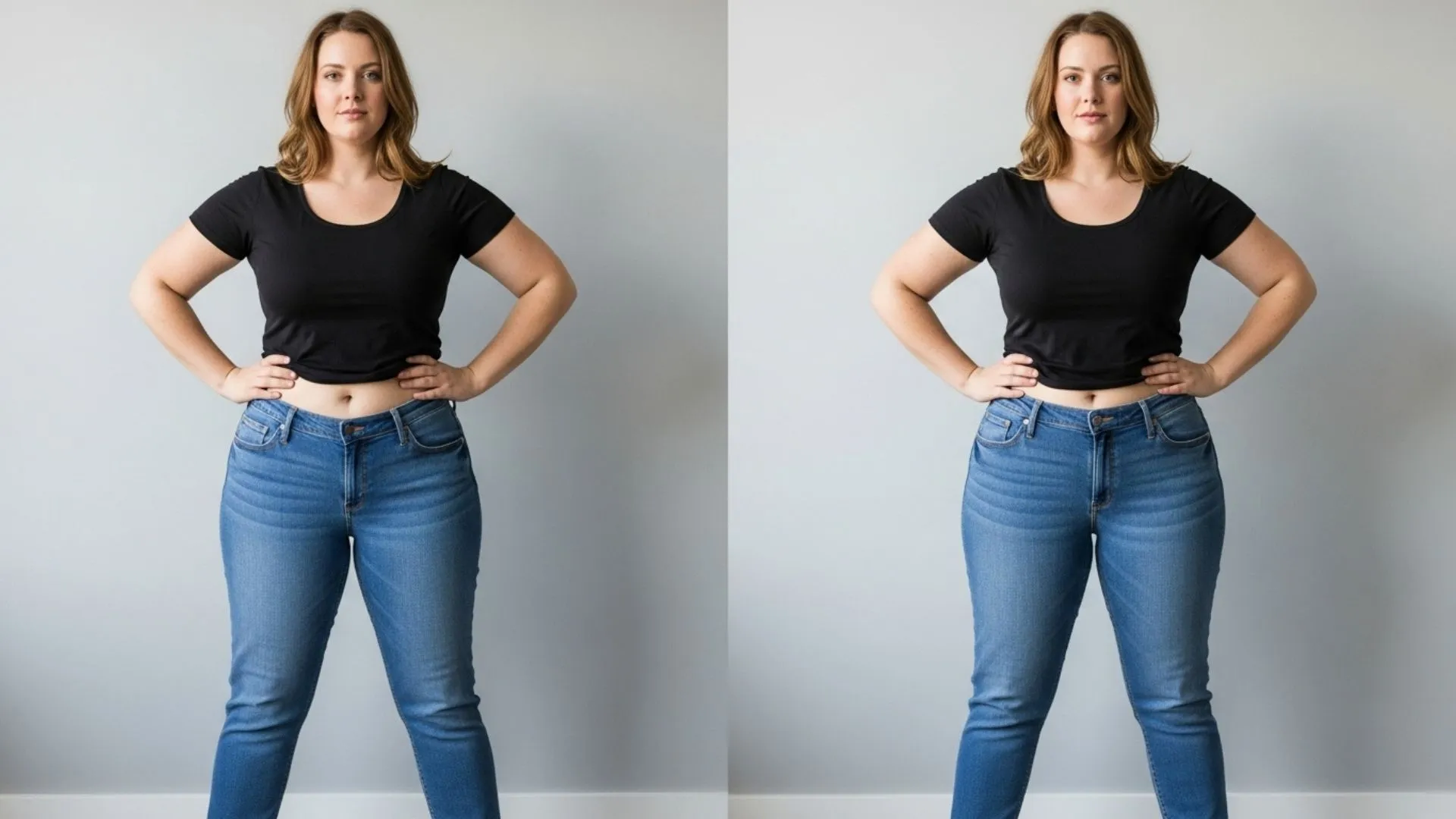
Discover how understanding curvy fit jeans helps women with fuller figures achieve comfort, flattering shape and confidence, avoiding common buying mistakes.
💕 Plus Size Fashion Questions? Ask Isabella!
Style, outfits, looks, combinations, fashion tips... quick & caring answers.
💕 Top Plus Size Fashion Picks
Handpicked products that fit and flatter curves













- What Are Curvy Fit Jeans and Why Do They Matter in Plus Size Fashion?
- How to Identify True Curvy Fit Jeans: Key Features and Materials
- Practical Guide: Choosing the Right Curvy Fit Jeans for Your Body
- Common Mistakes to Avoid When Buying Curvy Fit Jeans
- Comparative Table: Key Elements of Curvy Fit Jeans in Plus Size Fashion
- Conclusion: Building Confidence and Comfort with Curvy Fit Jeans
- FAQ
- Related Posts
What Are Curvy Fit Jeans and Why Do They Matter in Plus Size Fashion?
Curvy fit jeans are a category of denim specifically designed for bodies with fuller hips, thighs, and waists, aiming to offer improved comfort, enhanced fit, and a silhouette that flatters natural curves.
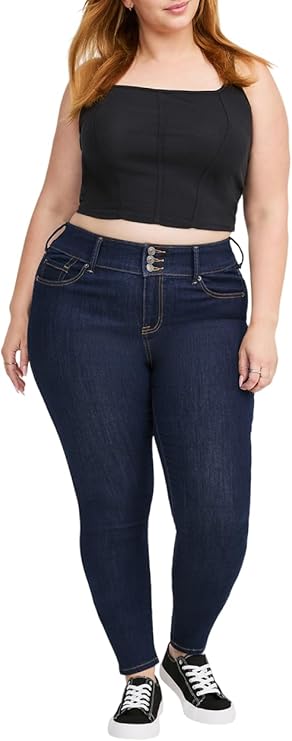
Unlike standard jeans, curvy fit models address the common challenges faced by plus size women, such as gaping at the waist, tightness at the hips, or discomfort around the thighs. The design often includes a contoured waistband, strategic stretch, and a differentiated hip-to-waist ratio.
This topic is essential for women who frequently experience fit issues with regular denim and seek solutions that align with their body shape, daily comfort, and style preferences. Understanding these jeans empowers conscious choices and reduces frustration during shopping.
Plus size women often find that mainstream jeans do not accommodate their proportions, leading to discomfort and a lack of confidence. Curvy fit jeans, as a segment within plus size fashion, respond to this need by prioritizing both fit and comfort, which are key for building a confident wardrobe.
In practical terms, these jeans are recommended for anyone with a pronounced difference between waist and hip measurements, women transitioning between sizes, and those who want to avoid tailoring every new pair of pants.
Key benefits of curvy fit jeans include:
- Better fit at the waist and hips
- Less gaping or bunching
- Enhanced comfort for daily wear
- Flattering silhouette for curvy bodies
- Reduction in alterations and returns
For further insights on denim choices and fit, see explore analyses of jeans and fit in our editorial section.

How to Identify True Curvy Fit Jeans: Key Features and Materials
A true curvy fit jean in the context of plus size fashion is defined by its construction, which caters to curves rather than forcing the body into a standard cut. The primary distinguishing features include a contoured waistband, more generous hip and thigh space, and strategic use of stretch fabrics.
Most curvy fit jeans combine cotton with elastane or similar fibers to allow movement without losing shape. The waistband is often higher in the back or shaped to prevent gaping, while the hip-to-waist ratio is increased to accommodate fuller figures.
When assessing curvy fit jeans, pay attention to:
- Waistband design: Look for contoured or no-gap waistbands
- Fabric composition: Stretch denim offers flexibility and comfort
- Rise: Mid to high-rise styles often provide better coverage
- Cut: Bootcut, skinny, and straight leg options adapt to different preferences
- Stitching and construction: Reinforced seams add durability
Practical application requires trying on different brands and cuts, as sizing can vary. Some jeans may label themselves as “curvy,” but the fit may still not align with plus size needs. Always check return policies and, if possible, consult size charts and reviews.
Key points of attention include:
- Not all “curvy” jeans are created equal—review the cut and actual measurements
- Fabric stretch varies; too much can lead to bagging, too little can cause discomfort
- Brand sizing may differ, making cross-brand shopping challenging
- Personal comfort and style preference should guide the final choice
For readers interested in understanding more about materials, cuts, and practical fit, see comprehensive guides on adjustment and comfort in plus size fashion.
Practical Guide: Choosing the Right Curvy Fit Jeans for Your Body
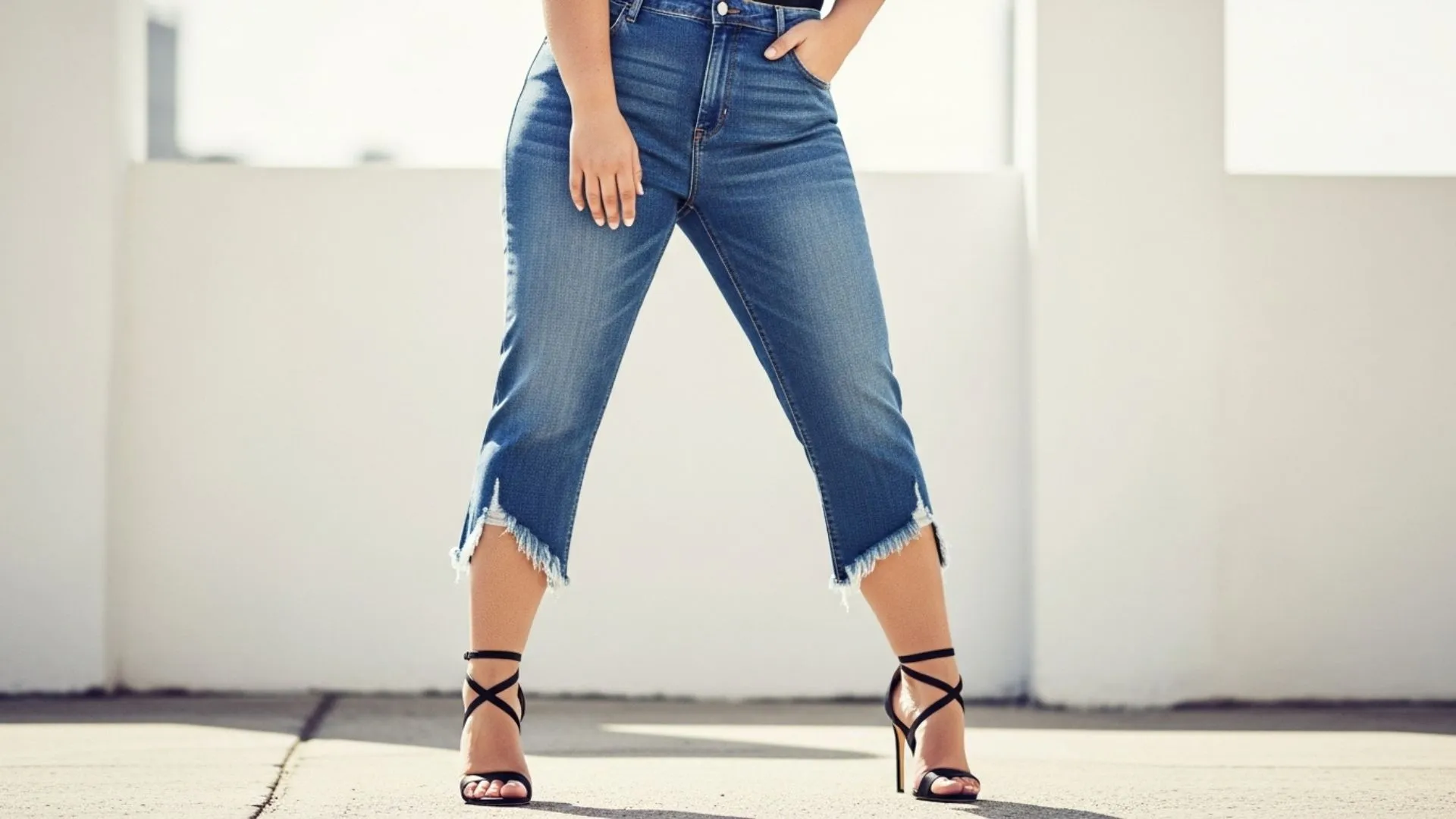
Selecting curvy fit jeans that truly serve your needs involves more than just picking your regular size. The process starts with understanding body measurements, recognizing your body’s proportions, and considering how different cuts and fabrics interact with your shape.
Direct definition: Choosing the right curvy fit jeans means selecting denim that matches your waist-to-hip ratio, accommodates your thighs, and ensures comfort throughout the day.
The practical context for this choice includes shopping for casual wear, work-appropriate outfits, or special occasions where comfort should not be sacrificed for style. Women in transition between sizes or those who struggle with gaping waists and tight hips benefit most from these jeans.
Key steps for an effective choice:
- Measure your natural waist and fullest hip for accuracy
- Compare these measurements to each brand’s size chart
- Opt for cuts that match your style: skinny for versatility, bootcut for balance, straight for classic looks
- Prioritize denim with a moderate stretch for flexibility without losing shape
- Read user reviews for insights on fit and comfort
Points of attention:
- Different brands may interpret “curvy fit” differently
- High-stretch jeans may loosen after wear—consider sizing down if between sizes
- Dark washes are generally more slimming and versatile
- Always test movement: sit, squat and walk to assess real comfort
For broader understanding on how to avoid common denim mistakes, check out buying guides and reviews for plus size wardrobe essentials.
Common Mistakes to Avoid When Buying Curvy Fit Jeans
Mistakes in choosing curvy fit jeans often stem from misunderstanding sizing, over-reliance on labels, or neglecting fabric composition. Recognizing these pitfalls is vital for making informed choices.
A frequent issue is assuming that all jeans labeled "curvy" will fit similarly, when in reality, the cut and proportions can vary widely. Ignoring the stretch factor can also lead to discomfort or loss of shape after a few wears.
Direct definition: Avoiding common mistakes when buying curvy fit jeans means understanding the differences in sizing, cut, and fabric, and being aware of individual body needs and preferences.
Key mistakes to watch for:
- Choosing jeans solely based on size, without considering hip and waist fit
- Not checking the stretch content and how it impacts durability
- Ignoring reviews or feedback from other plus size consumers
- Overlooking rise and waistband design, which affect comfort and silhouette
Points of attention:
- Returns and exchanges are normal; don’t settle for poor fit
- Some brands may run small or large—always check the sizing chart
- Personal style matters: balance trend with what makes you feel confident
- Be honest about comfort—if you need to adjust, the jeans may not be ideal
For more on overcoming fit challenges, explore content on body confidence and lifestyle to support your journey.

Comparative Table: Key Elements of Curvy Fit Jeans in Plus Size Fashion
| Element in Plus Size Jeans | What It Means in Practice | Point of Attention / Context | Who It’s For |
|---|---|---|---|
| Contoured Waistband | Prevents gaping; follows natural waist curve for comfort | Check if the waistband is truly contoured; not all brands implement this | Women with fuller hips and narrower waists |
| Stretch Denim | Allows movement and adapts to curves without losing shape | Excessive stretch may cause bagging; consider fabric blend | Anyone seeking daily comfort and flexibility |
| Higher Hip-to-Waist Ratio | Accommodates pronounced curves, reduces tightness at hips | Varies by brand; always check measurements and cut | Plus size women with significant waist-hip difference |
| Variety of Cuts (Skinny, Bootcut, Straight) | Offers styling options for different body shapes and preferences | Each cut flatters differently; test which suits your proportions | Those wanting versatility and personal style expression |
Conclusion: Building Confidence and Comfort with Curvy Fit Jeans
Understanding the structure and purpose of curvy fit jeans within the broader context of plus size denim is fundamental for anyone seeking comfort, confidence, and practical style. By focusing on key features like contoured waistbands, appropriate stretch, and a proper hip-to-waist ratio, it becomes easier to identify jeans that truly serve your body and lifestyle.
The main takeaways are to prioritize accurate measurement, be mindful of fabric and cut, and avoid settling for ill-fitting options. Adopting these practices reduces common buying errors, enhances daily comfort, and strengthens body confidence.
To delve deeper into the world of inclusive fashion, adjustment, and comfort, see other content on plus size fashion, fit and confidence at Curves in Lace. Knowledge applied in practice transforms the experience of getting dressed into an act of self-respect and empowerment.
informational responsibility, and commitment to editorial best practices.
FAQ
What should I look for in best curvy fit skinny jeans that won’t sag at the knees?
Look for the rise, waistband shape, hip room, thigh comfort, fabric stretch, and whether the jeans keep their shape after sitting and walking.
Are curvy-fit jeans better than regular jeans?
They can be better for bodies with fuller hips, thighs, or seat because curvy cuts usually offer more room below the waist and reduce waist gap.
How do I avoid waist gap in jeans?
Choose contoured waistbands, curvy cuts, enough hip room, and fabric with recovery. If the waist gaps but hips feel tight, the cut is not right for your shape.
Should jeans feel tight when I first try them on?
They should feel secure, not painful. Denim with stretch may relax slightly, but jeans that pinch, cut, or restrict sitting are usually the wrong size or cut.
What reviews matter most before buying jeans online?
Look for comments about waist gap, thigh room, stretch recovery, length, rise, and whether shoppers with similar curves found the jeans comfortable.