
Discover how to find plus size jeans that truly fit, enhance comfort and confidence, and avoid common mistakes when choosing styles, fabrics and sizes.
💕 Plus Size Fashion Questions? Ask Isabella!
Style, outfits, looks, combinations, fashion tips... quick & caring answers.
💕 Top Plus Size Fashion Picks
Handpicked products that fit and flatter curves









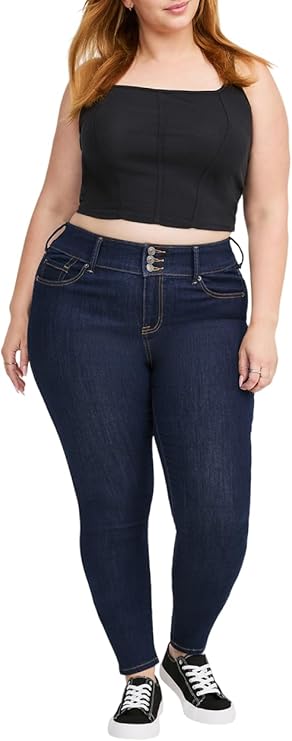




- Understanding Plus Size Jeans: Fit, Comfort and Practicality
- Key Elements of Fit: Waist, Hips, Thighs and Rise
- Fabric Choices and Their Impact on Comfort
- Common Mistakes and How to Avoid Them
- Practical Guide: Choosing and Styling Plus Size Jeans
- Quick Reference Table: Plus Size Jeans Essentials
- Conclusion: Building Confidence with the Right Plus Size Jeans
- Where to Go Next
- FAQ
- Related Posts
Understanding Plus Size Jeans: Fit, Comfort and Practicality
Plus size jeans are a key element in inclusive fashion that serve to provide comfort, style, and a flattering fit for women with curvier bodies. Within the context of curvy fit jeans, the main goal is to ensure that the jeans adapt to the body’s proportions, offering support without restricting movement or causing discomfort.
The relevance of this topic lies in the daily challenge many women face in finding jeans that do not pinch, gape, or slide down throughout the day. A good pair of plus size jeans can boost confidence, create versatile outfits and become a staple in any wardrobe. Choosing the right jeans involves understanding the importance of cut, fabric, waistband design and rise, which all impact comfort and silhouette.
For women who seek practical, everyday style solutions, this knowledge is essential. It helps to avoid the frustration of repeated buying errors and to develop a more conscious, positive relationship with clothing. Plus size jeans are indicated for anyone looking for reliable, long-lasting pieces that deliver on both comfort and style, especially for those navigating size transitions or seeking to express their personal style with confidence.
- Fit and comfort are central to enjoying jeans daily.
- Understanding cut and fabric can minimize discomfort and enhance mobility.
- Making informed choices reduces waste and frustration.
- Proper jeans elevate both style and confidence.
Key Elements of Fit: Waist, Hips, Thighs and Rise
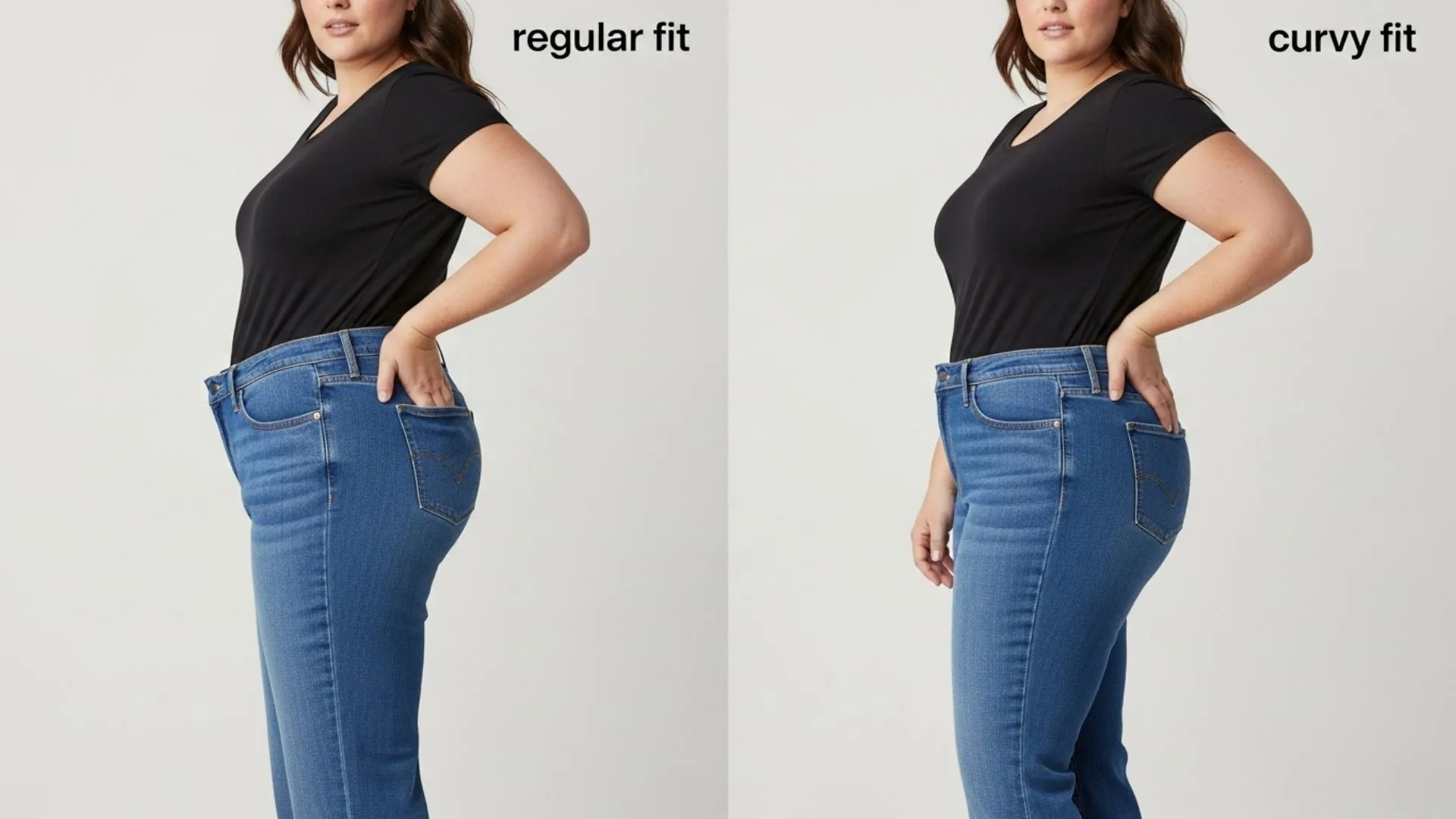
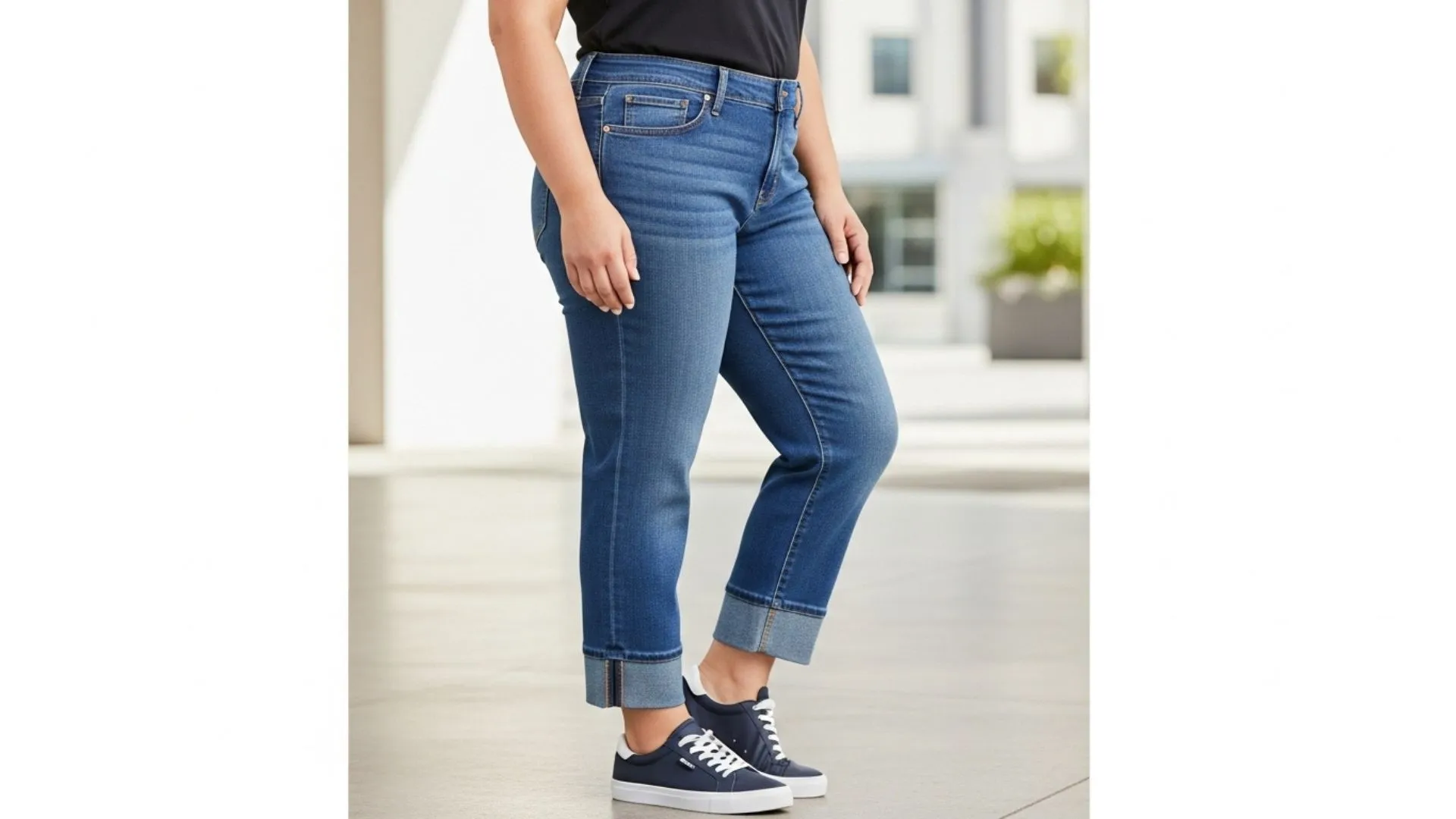
Fit in plus size jeans refers to how the garment adjusts to the waist, hips, thighs, and rise—each of these areas plays a crucial role in achieving a comfortable, supportive look. In our editorial analysis, a well-fitted waistband prevents gaping or rolling, while the right rise (high, mid, or low) can address comfort needs and body shape preferences.
The practical application of these concepts is seen in how jeans conform to the body’s curves without sagging or digging in. For example, a contoured waistband and stretch fabric can accommodate movement and changes in body position, making the jeans more adaptable for daily activities.
Careful attention to thigh and hip fit is also essential. Jeans that are too tight may restrict movement or cause discomfort, while overly loose jeans can appear baggy and unflattering. The balance between fitted and relaxed is often achieved through trying different cuts, such as straight, bootcut, or skinny jeans designed specifically for plus size proportions.
Common mistakes include selecting jeans based solely on waist size without considering hip or thigh measurements, or choosing styles with little stretch, which can limit comfort. To avoid these pitfalls, it’s important to review sizing charts, pay attention to fabric composition, and try on multiple styles to find the best match for your body.
- Waistband design impacts comfort and prevents slippage.
- Rise selection affects both appearance and wearability.
- Hip and thigh fit determine overall silhouette.
- Stretch fabrics enhance flexibility and ease of movement.
Fabric Choices and Their Impact on Comfort
Fabric is a defining factor in how plus size jeans feel and perform. Denim blends with elastane or spandex offer greater stretch and recovery, which is particularly beneficial for curvy bodies. In our content analysis, jeans with at least 2% stretch fiber tend to adapt better to movement and body shape changes, reducing the risk of sagging knees or loss of shape after washing.
Traditional rigid denim, while classic, may not provide the same comfort for plus size wearers, especially in areas requiring more give. However, some women prefer the structure and durability of 100% cotton denim for specific looks or occasions. The choice of fabric must align with personal comfort preferences, lifestyle needs, and the intended use of the jeans.
It’s essential to check the care label for fabric composition and recommended washing instructions. Overwashing or using high heat can damage stretch fibers, leading to bagginess or reduced lifespan. Choosing quality denim and caring for it properly ensures jeans retain their fit and appearance over time.
- Stretch denim increases comfort and body adaptability.
- Rigid denim offers structure but less flexibility.
- Fabric care influences garment longevity.
- Choosing appropriate fabric supports daily comfort and style.
Common Mistakes and How to Avoid Them
One frequent error when shopping for plus size jeans is prioritizing style over fit, which can lead to discomfort and dissatisfaction. In our approach, understanding the nuances of sizing—such as variations between brands, differences in cut, and the impact of fabric stretch—is key to making informed decisions.
Another mistake is overlooking the importance of rise and waistband design. For example, a low-rise jean may not offer enough coverage for certain body shapes, leading to constant adjustments. Similarly, jeans with no stretch can restrict movement or create pressure points.
To reduce errors, always refer to detailed sizing guides, consider customer reviews, and try on jeans in various cuts and fabrics. Opt for retailers or brands known for inclusive sizing and curvy-friendly design. When possible, invest in staple cuts that suit your daily activities, such as straight-leg or bootcut, before exploring trendier options.
- Never rely solely on the number on the tag—measure yourself regularly.
- Check the return policy before purchasing online.
- Be open to trying new cuts and rises for better fit.
- Prioritize comfort and movement over trends.
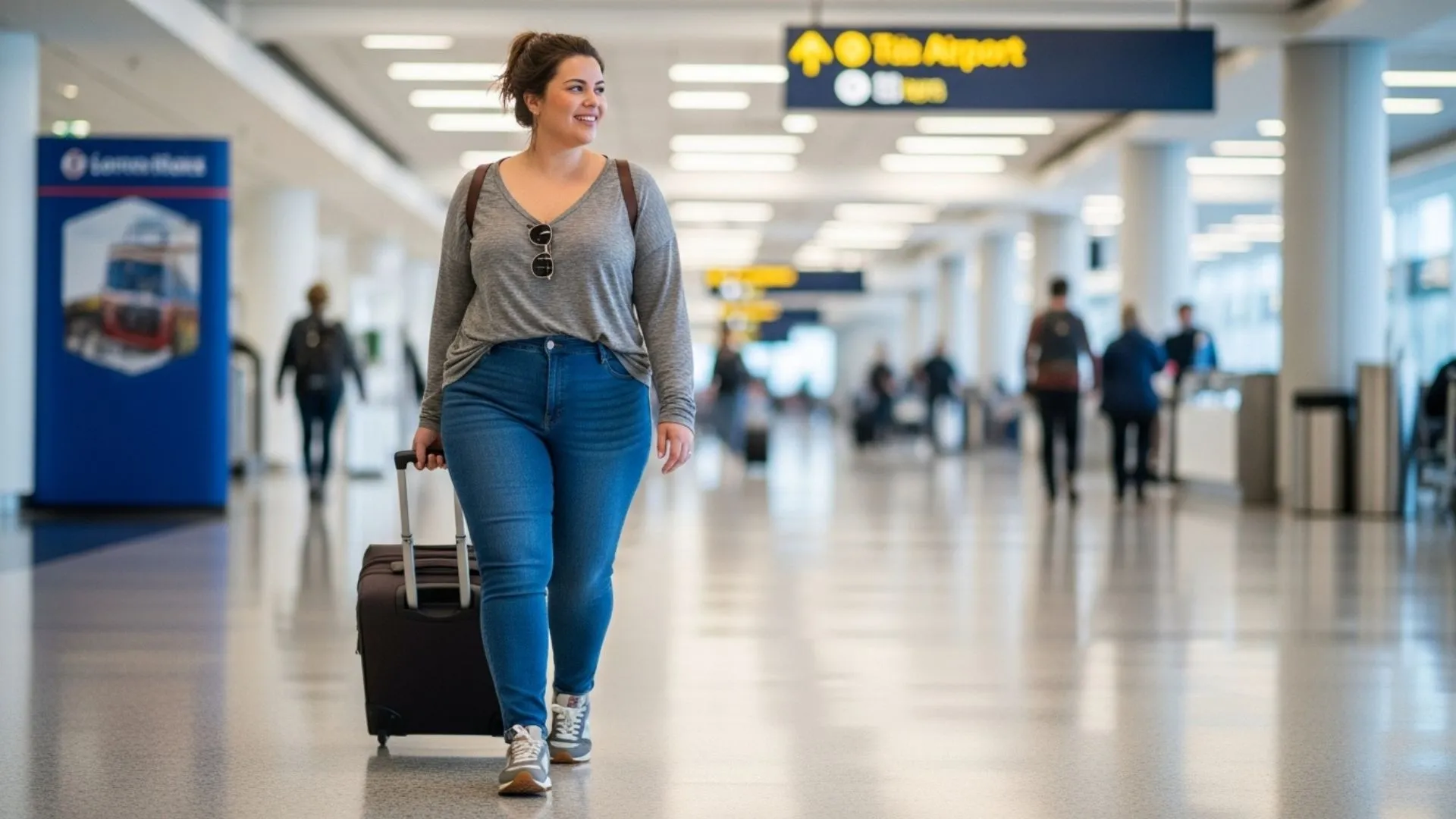
Practical Guide: Choosing and Styling Plus Size Jeans
Plus size jeans are most effective when selected with attention to fit, fabric, and personal style needs. In our informative guide, the following best practices can help you create a wardrobe of jeans that support confidence and comfort:
- Identify your preferred rise and cut by trying different styles.
- Look for jeans with reinforced seams and double stitching for durability.
- Choose washes and colors that match your wardrobe and lifestyle.
- Pair jeans with tops that balance proportions and highlight your favorite features.
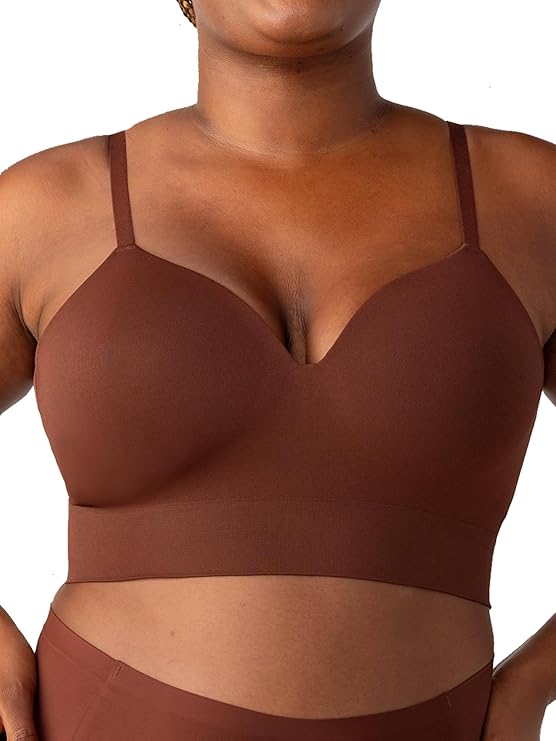
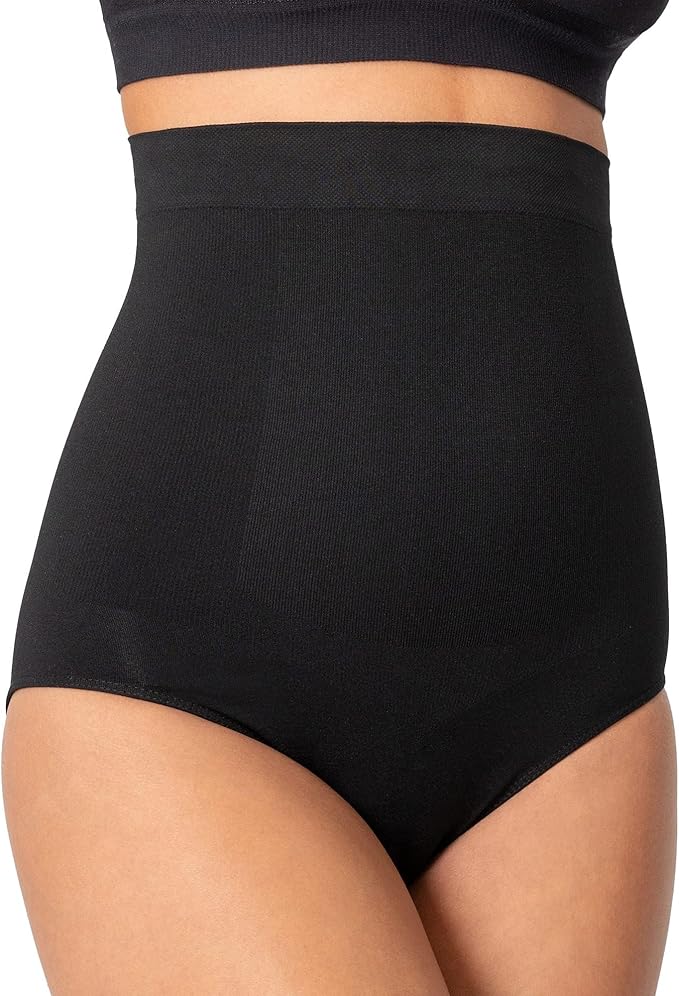
- Consider layering with shapewear or comfortable lingerie for an even smoother fit.
Jeans can be dressed up or down, making them versatile for work, casual outings, or evening events. With the right pair, you gain not only a functional garment but also a boost in body confidence and self-expression.
For more in-depth advice on fit and comfort, see additional fit and comfort guides or explore more about curvy fit jeans on Curves in Lace.
Quick Reference Table: Plus Size Jeans Essentials
| Element | Practical Meaning | Point of Attention / Context | Who Benefits |
|---|---|---|---|
| Waistband Fit | Prevents gaping, rolling, and discomfort | Check for contoured designs and flexible closures | Women seeking stable, comfortable jeans |
| Stretch Denim | Adapts to curves, allows movement, minimizes restriction | May lose shape if not cared for properly | Anyone prioritizing comfort and flexibility |
| Cut and Rise | Shapes silhouette, influences comfort and style | Different cuts suit different body shapes and needs | Those exploring personal style and better fit |
| Fabric Care | Extends garment life, maintains appearance | Follow washing instructions, avoid high heat | Women wanting jeans that last and look good |
Conclusion: Building Confidence with the Right Plus Size Jeans
Choosing plus size jeans that fit well and feel good is a foundational step toward greater comfort and body confidence. Understanding waistband structure, cut, fabric composition, and practical care ensures that every pair of jeans works for your unique needs. By applying the knowledge shared in this editorial, you can avoid common buying mistakes, develop a more conscious approach to shopping, and embrace your style with assurance.
It’s worth exploring related content about fit, comfort, and confidence in plus size fashion to deepen your understanding. For further reading, discover more about body confidence and lifestyle or see other plus size fashion insights on Curves in Lace.
Where to Go Next
If you are still comparing denim cuts, use our curvy jeans fit guide to match rise, stretch, hips, and waistband comfort.
This keeps the next step useful without forcing a product search before you are ready.
Read the Curvy Jeans Fit Guide
FAQ
What should I look for in do jeans get tighter or looser over time?
Look for the rise, waistband shape, hip room, thigh comfort, fabric stretch, and whether the jeans keep their shape after sitting and walking.
Are curvy-fit jeans better than regular jeans?
They can be better for bodies with fuller hips, thighs, or seat because curvy cuts usually offer more room below the waist and reduce waist gap.
How do I avoid waist gap in jeans?
Choose contoured waistbands, curvy cuts, enough hip room, and fabric with recovery. If the waist gaps but hips feel tight, the cut is not right for your shape.
Should jeans feel tight when I first try them on?
They should feel secure, not painful. Denim with stretch may relax slightly, but jeans that pinch, cut, or restrict sitting are usually the wrong size or cut.
What reviews matter most before buying jeans online?
Look for comments about waist gap, thigh room, stretch recovery, length, rise, and whether shoppers with similar curves found the jeans comfortable.