
Affiliate note: Curves In Lace may earn from qualifying links. Plus size panty seams should feel smooth, soft, and invisible under real clothes.
- Plus size panty seams at a glance
- Why seams matter more on plus size panties
- Best Overall: flat seams for daily wear
- Best Budget Option: covered elastic seams
- Best for Smooth Outfits: bonded or seamless edges
- Best for Curvy Bodies: seam placement around hips and thighs
- Best Premium Choice: softer finishing inside the panty
- How to test seams at home
- Seams and washing: why comfort can change
- When seams are a sign of the wrong cut
- Final seam buying checklist
- Where to start with panty seams
- Related guides for a better fit
- Compare Panties by Seam Comfort
- FAQ
- Conclusion: seams decide whether comfort lasts
Plus size panty seams at a glance
| Seam type | Best for | Comfort check | Watch out for |
|---|---|---|---|
| Flat seams | Everyday comfort | Lie smooth under clothes | Rough thread |
| Bonded edges | No-show outfits | Edges stay flat | Curling after washing |
| Lace trim | Pretty soft looks | Stretch lace feels gentle | Scratchy scallops |
| Covered elastic | Belly and leg comfort | Elastic is wrapped in fabric | Bulky ridges |
| Thick stitched seams | Durability | No rubbing at pressure points | Visible panty lines |
Why seams matter more on plus size panties
Seams sit against areas that move all day: waist, belly fold, hip curve, upper thigh, and rear coverage.
💕 Plus Size Fashion Questions? Ask Isabella!
Style, outfits, looks, combinations, fashion tips... quick & caring answers.
💕 Top Plus Size Fashion Picks
Handpicked products that fit and flatter curves





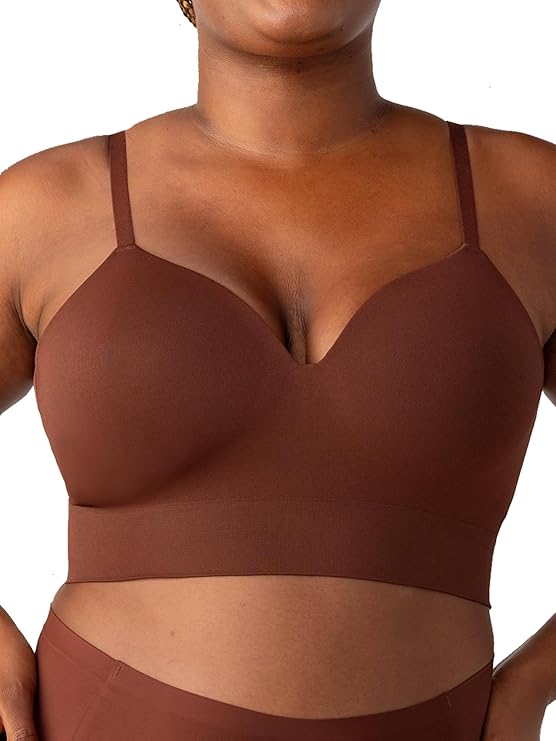


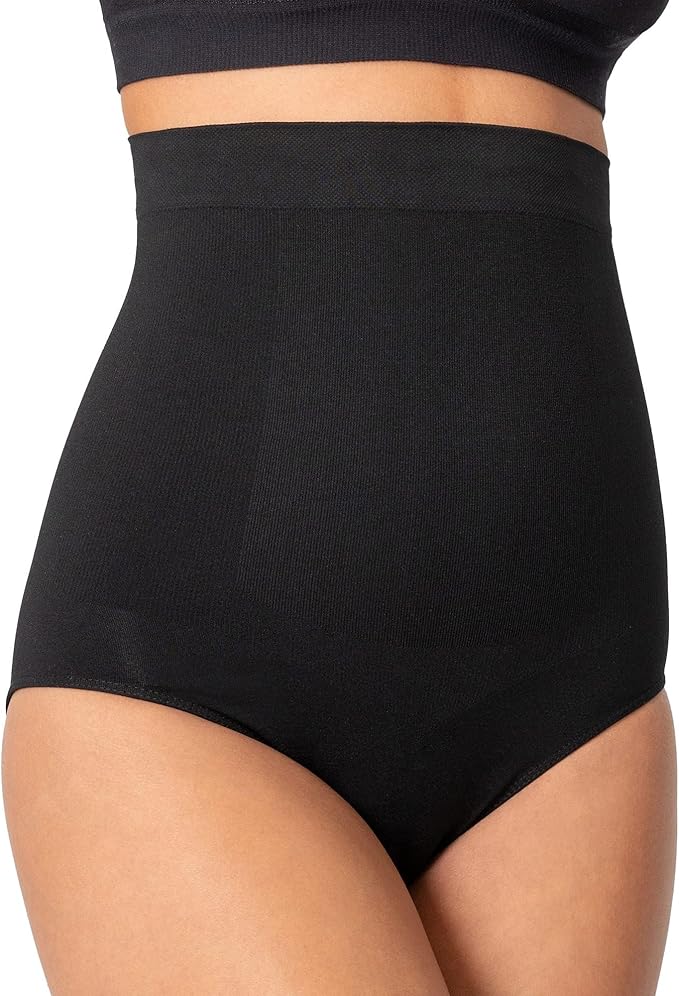






A seam that feels harmless while standing can rub after sitting, walking, or wearing leggings for a few hours.
The best seams feel smooth in your hand and almost invisible on your body.
Quick seam checklist
- Run your finger along the inside seam.
- Check whether the thread feels rough.
- Sit down and notice if the waistband seam folds.
- Look for leg edges that lie flat.
- Avoid seams that press into soft tissue.
For a broader fit foundation, start with our plus size panties guide.
Best Overall: flat seams for daily wear
Flat seams are usually the safest choice for everyday plus size panties.
They reduce bulk, lie smoother under clothes, and are less likely to create a ridge at the hip or thigh.
Pros
- Good under jeans and work pants.
- Less rubbing than bulky seams.
- Easy to wear for long days.
Cons
- Cheap flat seams can still feel scratchy.
- Some styles lose shape if fabric is too thin.
Fit tip: If a seam leaves a deep mark, the cut, size, or elastic tension is probably wrong.
Best Budget Option: covered elastic seams
Covered elastic can be comfortable because the elastic is wrapped in fabric instead of touching skin directly.
This helps around the waistband and leg openings, especially if your skin reacts to rough trim.
The tradeoff is bulk. Covered seams can show more under thin leggings or fitted dresses.
Buying tips
- Choose covered elastic for sensitive skin.
- Avoid thick leg seams under tight outfits.
- Check whether the waistband twists.
- Wash once before judging long-term softness.
Best for Smooth Outfits: bonded or seamless edges
Bonded edges are made to sit flatter than stitched seams.
They are helpful under leggings, bodycon dresses, work pants, and thin knits.
The risk is curling. If the edge curls after one wash, the panty may show lines even though it is labeled no-show.
For outfit-focused choices, read our plus size panties that don't show under clothes.
Best for Curvy Bodies: seam placement around hips and thighs
On curvy bodies, side seams can land right where the hip widens or where the thigh rubs.
A better pair moves pressure away from those spots or uses softer construction where the body bends.
Common seam problems
- Side seam rubbing at the hip.
- Leg seam cutting into thick thighs.
- Back seam bunching under clothes.
- Waist seam rolling under the belly.
If the issue is rolling, use our underwear rolling down guide.
Premium underwear is worth considering when the inside feels as thoughtful as the outside.
Look for smooth gusset stitching, soft thread, clean joins, and seams that do not feel raised against skin.
Pretty fabric is nice, but the finishing determines whether you want to wear the pair again.
Premium buying tips
- Inspect inside seams in product photos when possible.
- Choose bonded edges for fitted outfits.
- Choose flat seams for daily comfort.
- Avoid decorative seams at pressure points.
How to test seams at home
Try the underwear under the outfit you plan to wear before removing tags.
Sit, bend, walk, and check whether any seam starts to press or create a visible ridge.
If a seam bothers you within five minutes, it will probably feel worse after a full day.
For seamless outfit options, compare with our plus size seamless underwear guide.
Seams and washing: why comfort can change
A panty can feel smooth on the first wear and rougher after several washes if the thread shrinks, twists, or hardens.
High heat is often the problem. Dryers can make elastic tighter, curl bonded edges, and roughen lace or stitching.
Use gentle wash settings when possible, and air dry pairs that rely on delicate seams or no-show edges.
Care tips for seam comfort
- Use a mesh laundry bag for lace or bonded edges.
- Skip high heat when elastic feels delicate.
- Do not pull wet seams aggressively.
- Replace pairs when seams become raised or scratchy.
When seams are a sign of the wrong cut
Sometimes the seam is not badly made. It is simply sitting in the wrong place for your body.
If a side seam always digs into the hip, try a different cut instead of buying the same shape in another size.
If leg seams rub at the inner thigh, you may need a softer leg edge, a boyshort, or a higher-cut style.
Seam comfort is about placement, not just smooth stitching.
Final seam buying checklist
- Check inside seams before color.
- Choose flat edges for fitted clothes.
- Choose covered elastic for sensitive skin.
- Avoid rough lace at pressure points.
- Test the pair while sitting.
A well-made seam should support the panty without announcing itself on your skin daily.
Where to start with panty seams
Start by checking where the seam sits on your body.
A seam that crosses the soft belly, hip curve, or upper thigh can feel fine standing and annoying later.
- Choose flat seams for everyday comfort.
- Choose bonded edges for fitted clothes.
- Avoid thick stitched seams under leggings.
Good seams should let the fabric move without leaving marks.
- Seamless underwear for dresses
- No-show panties under clothes
- Panties for thick thighs
- Plus size panties guide
Compare Panties by Seam Comfort
Seams can decide whether underwear feels invisible or irritating by the afternoon.
Compare leg edges, gusset seams, waistband stitching, and whether reviews mention rubbing or marks.
Soft seams are especially important for sitting, walking, and sensitive skin.
Compare Soft-Seam Plus Size Panties
FAQ
What seams are best for plus size panties?
Flat seams, bonded edges, and soft covered elastic are usually the most comfortable choices.
Why do panty seams dig into my hips?
The seam may sit at a pressure point, the elastic may be too tight, or the cut may not match your hip shape.
Are seamless panties always better?
Not always. Seamless edges can curl or slide if the fabric is too thin or the fit is too tight.
What seams are best under leggings?
Bonded, laser-cut, or very flat seams usually work best under leggings and fitted clothes.
How can I avoid seam irritation?
Choose softer thread, covered elastic, breathable fabric, and seams that do not sit directly on rubbing points.
Conclusion: seams decide whether comfort lasts
Plus size panties are not only about size, rise, or color.
The seams decide how the pair feels after sitting, walking, sweating, and moving through the day.
Choose smooth edges, soft finishing, and seam placement that lets your body relax.