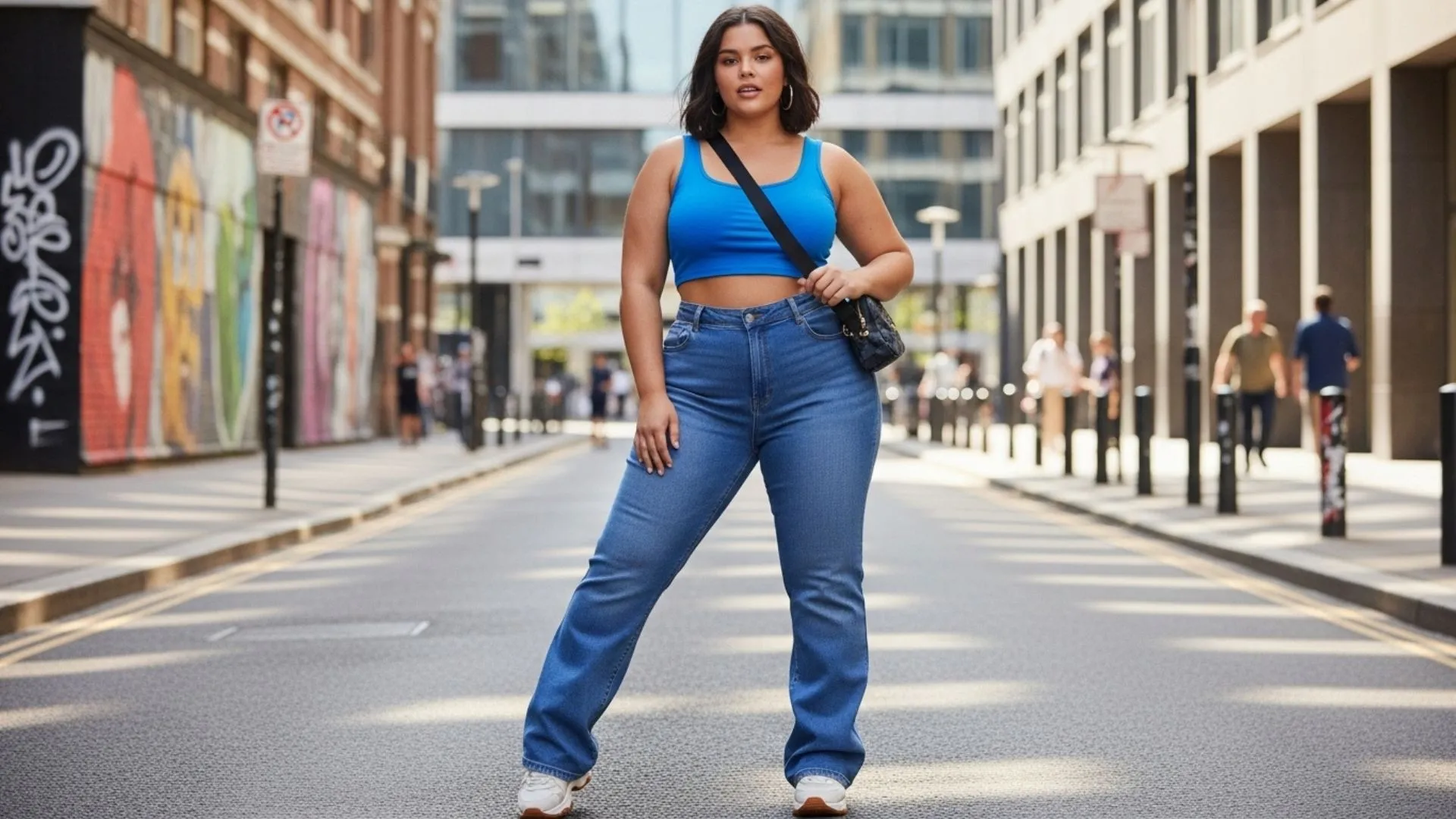
Understanding how to choose plus size jeans that really fit is essential for comfort, confidence, and a flattering silhouette in everyday life. This guide explains what to consider, how to avoid common mistakes, and how to make conscious choices for better results.
💕 Plus Size Fashion Questions? Ask Isabella!
Style, outfits, looks, combinations, fashion tips... quick & caring answers.
💕 Top Plus Size Fashion Picks
Handpicked products that fit and flatter curves











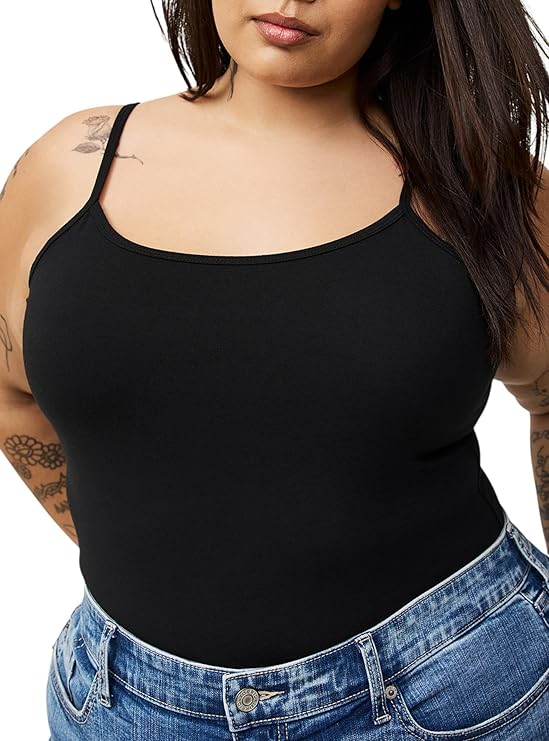
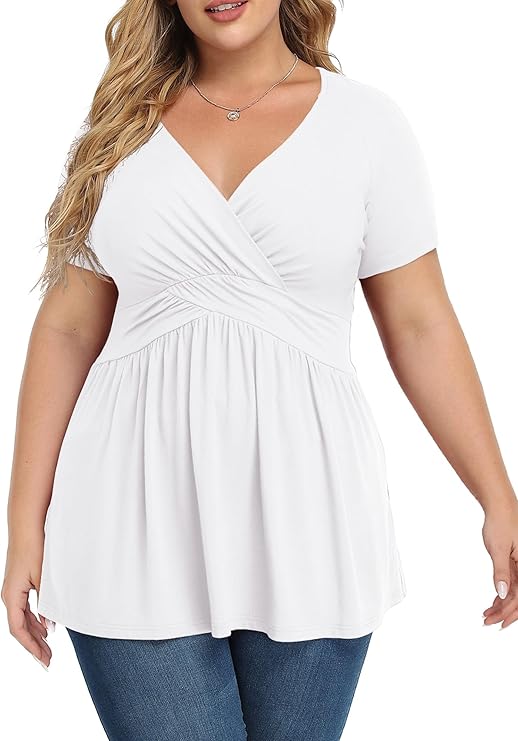
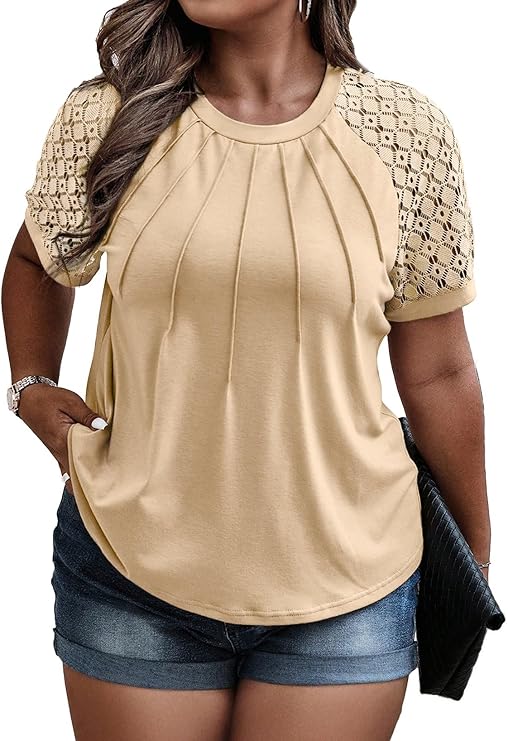


- What Does It Mean for Plus Size Jeans to Really Fit?
- Key Elements That Influence Plus Size Jeans Fit
- How to Identify the Best Fit: Practical Steps and Tips
- Common Mistakes to Avoid When Choosing Plus Size Jeans
- Practical Guide: Choosing Plus Size Jeans for Your Body and Lifestyle
- Conclusion: Applying the Knowledge to Make Better Choices
- FAQ
- Related Posts
What Does It Mean for Plus Size Jeans to Really Fit?
A well-fitting pair of plus size jeans is a key element of plus size fashion that provides comfort, enhances body shape, and supports confidence throughout the day.
Proper fit means the jeans follow the body's curves without squeezing, gaping, or restricting movement.
In the context of curvy fit jeans, the goal is to find a balance between a tailored appearance and freedom of movement.
This is especially important for women whose measurements may differ significantly between waist, hips, and thighs.
The right pair of jeans should suit your daily routine, whether for work, leisure, or special occasions.
Jeans that fit well can also reduce discomfort, prevent chafing, and help you feel more secure in your style choices.
Understanding fit is not just about size numbers. It's about recognizing how different cuts, rises, fabrics, and brands interact with your unique body shape.
This knowledge is crucial for anyone seeking to improve their wardrobe and make more informed purchases.
- Comfort is the priority in plus size jeans, preventing pinching or sagging.
- Good fit enhances natural curves and avoids unwanted bunching.
- Well-chosen jeans support posture and body confidence.
- Right sizing minimizes returns and shopping frustration.
Key Elements That Influence Plus Size Jeans Fit
The fit of plus size jeans depends on several factors, including cut, rise, fabric composition, and waistband construction.
Each of these elements affects how the jeans will look and feel on the body.
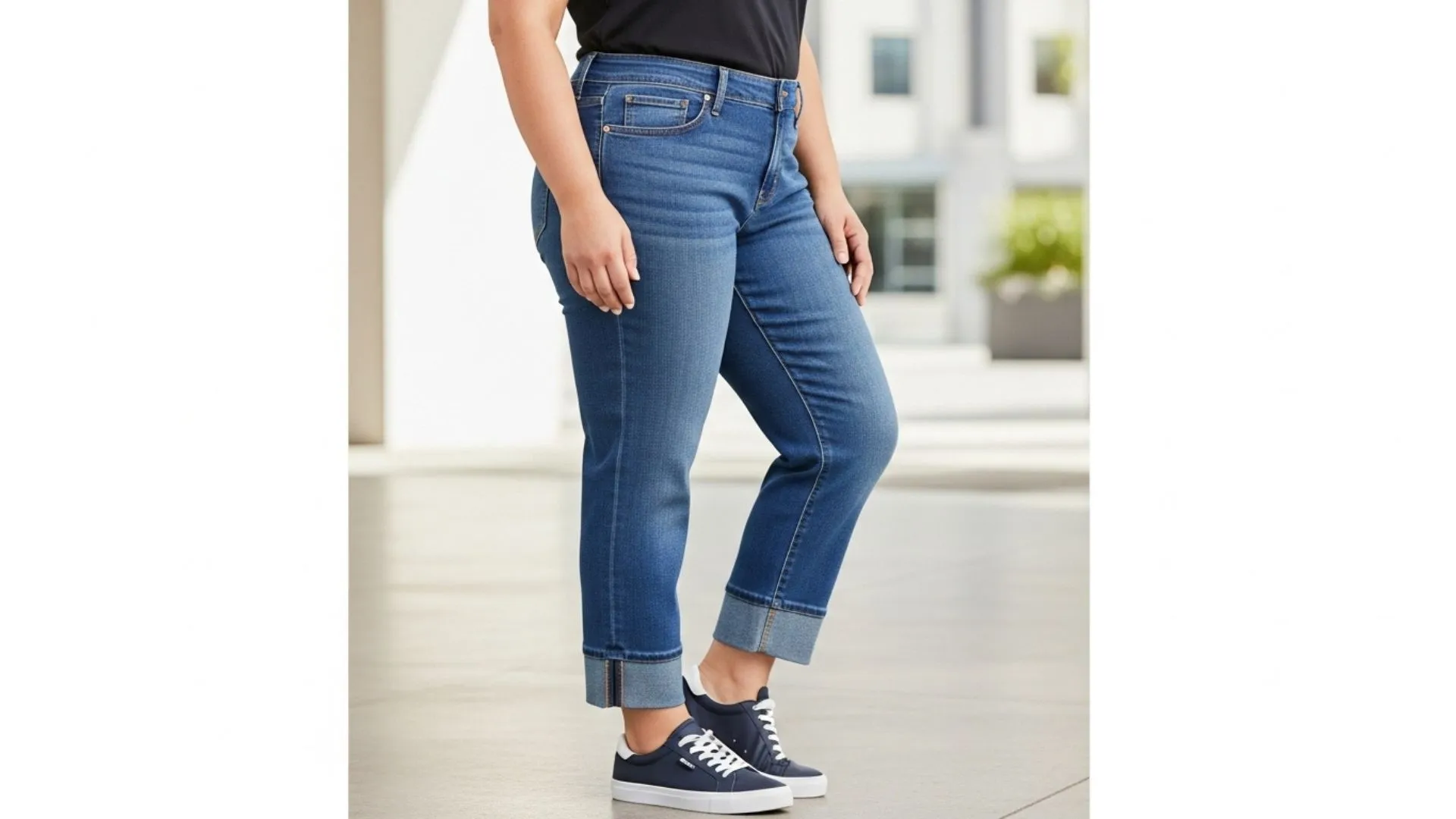
Cut refers to the shape and style of the jeans, such as straight, skinny, bootcut, or wide leg. Each cut interacts differently with curvy proportions.
For example, straight-leg jeans can balance fuller hips, while skinny jeans emphasize curves.
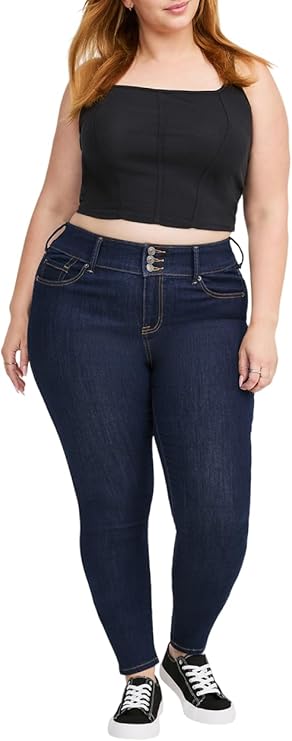
Rise is the distance from the crotch to the waistband. High-rise jeans are often preferred for plus size figures as they offer more coverage and help smooth the midsection.
Mid-rise and low-rise options can work, but may require careful attention to fit at the waist and hips.
Fabric blend is critical. Stretch denim with elastane or spandex adapts better to curves and movement, while rigid denim can feel restrictive if not cut properly.
Waistband design—elasticized, contoured, or classic—also impacts comfort and security.
- Straight, skinny, and bootcut are common cuts for curvy bodies.
- High-rise jeans provide more coverage and support.
- Stretch fabrics enhance comfort and reduce gaping.
- Contoured waistbands are less likely to dig or roll.
How to Identify the Best Fit: Practical Steps and Tips
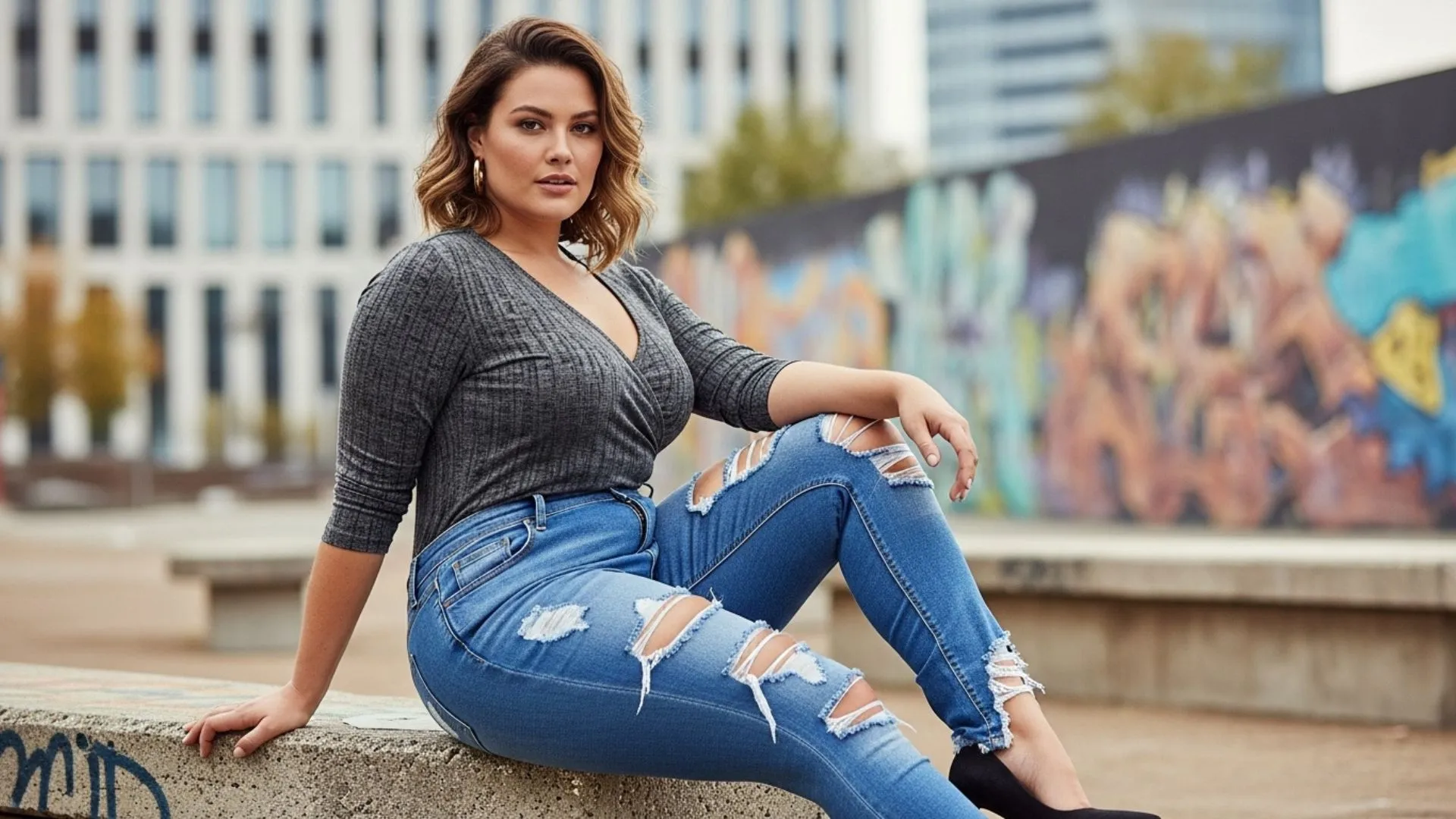
Identifying plus size jeans that really fit involves more than reading the size label. Start by measuring your waist, hips, and thighs accurately.
Compare these measurements to each brand’s size chart, keeping in mind that sizing varies considerably.
Try on different cuts and rises to discover what flatters your body shape and suits your daily needs. Move around—sit, squat, and walk—to check for comfort and flexibility.
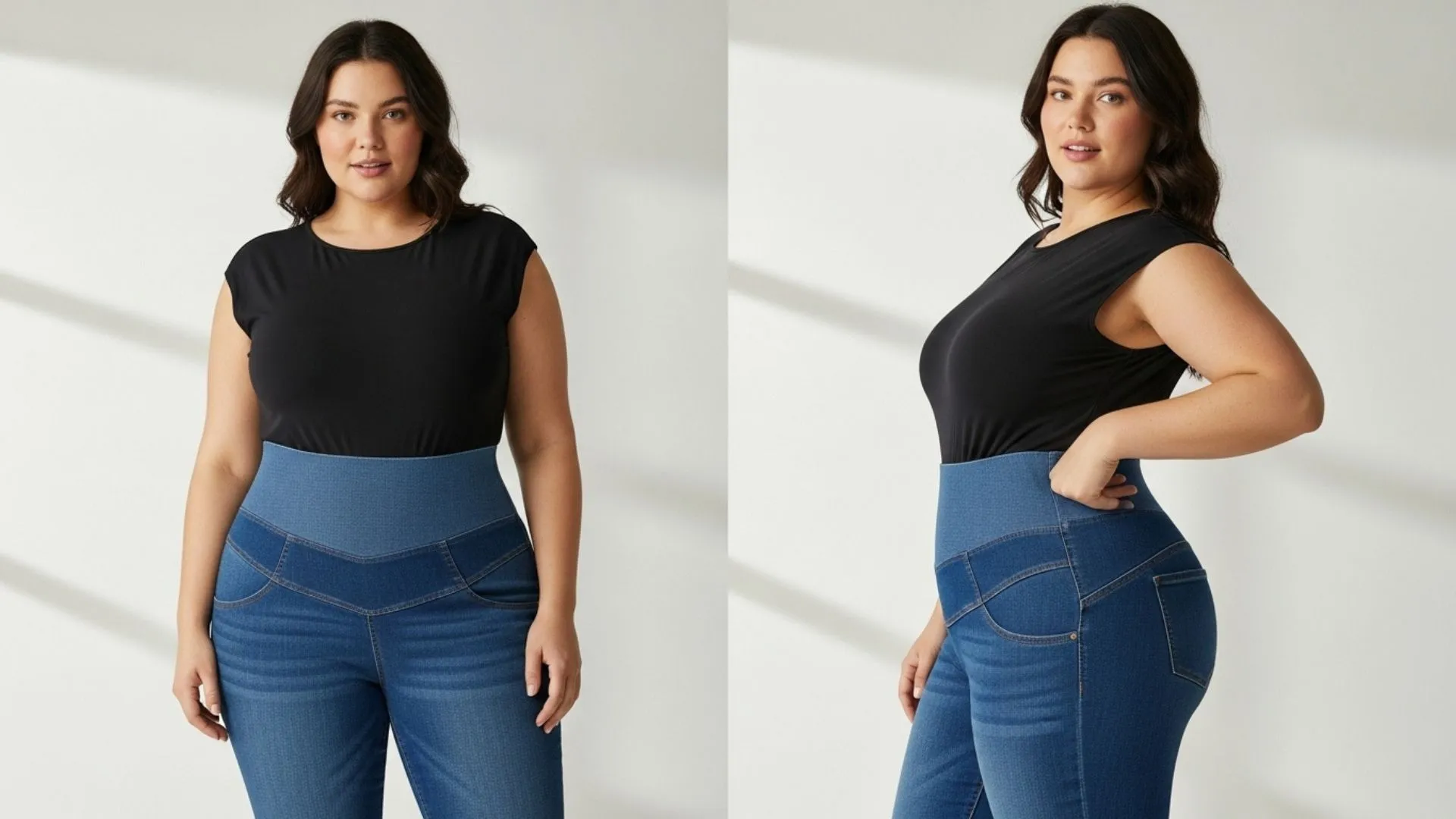
Pay attention to how the waistband fits: it should not gap in the back or dig into the stomach.
Evaluate the pocket placement and seam lines, as these details can subtly shape the appearance of your hips and thighs.
When shopping online, look for brands and collections that specialize in plus size or curvy fits, as these are designed with proportional adjustments in mind.
Reading reviews from other plus size consumers can offer real-world insights into fit, stretch, and comfort.
Don’t hesitate to consult educational resources like those available on Curves in Lace, which provide reviews and guides on best jeans for curvy bodies.
- Use a flexible measuring tape for accurate body measurements.
- Compare your numbers to each brand’s chart, not just generic sizing.
- Check movement and comfort before committing to a purchase.
- Seek feedback from other plus size women and trusted content hubs.
Common Mistakes to Avoid When Choosing Plus Size Jeans
One of the most frequent mistakes is relying solely on numerical size.
Different brands interpret sizes differently, and even within a single brand, fit can change between styles or fabric blends.
Ignoring fabric composition is another pitfall. Rigid denim may look structured but can cause discomfort if it doesn’t accommodate curves.
Too much stretch, on the other hand, might lead to jeans losing shape quickly.
Choosing jeans that are too tight in hopes they will “stretch out” often results in discomfort and unflattering bulges.
Conversely, opting for oversized jeans can cause sagging, bunching, and loss of definition.
Failing to consider rise and waistband type can lead to unwanted gaping, rolling, or the “muffin top” effect.
Always evaluate how the jeans behave at the waist, hips, and thighs in real movement.
- Don’t assume your size is the same across all brands or cuts.
- Always check fabric blend and elasticity.
- Avoid extremes: overly tight or overly loose fits rarely flatter.
- Test jeans in motion, not just standing still.

Practical Guide: Choosing Plus Size Jeans for Your Body and Lifestyle
Selecting the right plus size jeans is a process that should prioritize personal comfort, lifestyle needs, and desired style.
For everyday wear, high-rise, straight-leg or bootcut jeans in midweight stretch denim offer versatility and support.
For special occasions, consider dark washes and tailored fits that can be dressed up.
If you prefer to highlight your curves, opt for skinny or sculpted jeans with strategic seaming.
For more relaxed days, wide-leg or boyfriend cuts in soft denim deliver comfort without sacrificing style.
Always consider the context: jeans for the office may require a more classic cut and wash, while weekend wear can be more experimental.
Think about footwear as well—bootcut and flare jeans pair well with boots, while cropped and skinny styles complement sneakers or flats.
For additional guidance, explore topics like fit and comfort guides or body confidence articles to support your decision-making process.
- Prioritize stretch and comfort for daily use.
- Match rise and cut to your proportions and activities.
- Choose washes and details suitable for your lifestyle.
- Explore educational content to deepen your understanding.
| Element of Plus Size Jeans | What It Means in Practice | Point of Attention / Context | Who It’s For |
|---|---|---|---|
| Cut (Straight, Skinny, Bootcut) | Shapes the body, balances proportions, and affects overall style | May fit differently depending on hip and thigh width; try multiple cuts | Women seeking to highlight or balance curves |
| Rise (High, Mid, Low) | Determines waistband position for comfort and support | High-rise offers coverage; low-rise may gap or roll; adapt to body preference | Those needing tummy control or preferring specific coverage |
| Fabric Blend (Stretch, Rigid) | Impacts flexibility, comfort, and durability | Too much stretch can lose shape; rigid denim may restrict movement | Anyone prioritizing comfort or structure in jeans |
| Waistband Design | Affects fit at the waist, prevents gaping or rolling | Contoured or elasticized bands often more comfortable for curves | Plus size women with varying waist-to-hip ratios |
Conclusion: Applying the Knowledge to Make Better Choices
Choosing plus size jeans that really fit is a process of informed evaluation, experimentation, and self-awareness.
By understanding how elements like cut, rise, fabric, and waistband interact with your body, you can significantly improve comfort, appearance, and
confidence in your daily wardrobe.
The key is to prioritize personal comfort, seek out brands and styles designed for curvy bodies, and use practical assessment methods rather than relying on size alone.
This approach reduces shopping frustration, minimizes returns, and leads to a closet full of jeans you genuinely enjoy wearing.
For ongoing learning and to strengthen your understanding of fit, comfort, and style, explore other plus size fashion content on Curves in Lace.
Delve into buying guides and reviews, and plus size lingerie trends for a well-rounded approach to dressing with confidence and ease.
responsibility, and commitment to quality editorial practices.
FAQ
What should I look for in which jeans are most slimming for curves?
Look for the rise, waistband shape, hip room, thigh comfort, fabric stretch, and whether the jeans keep their shape after sitting and walking.
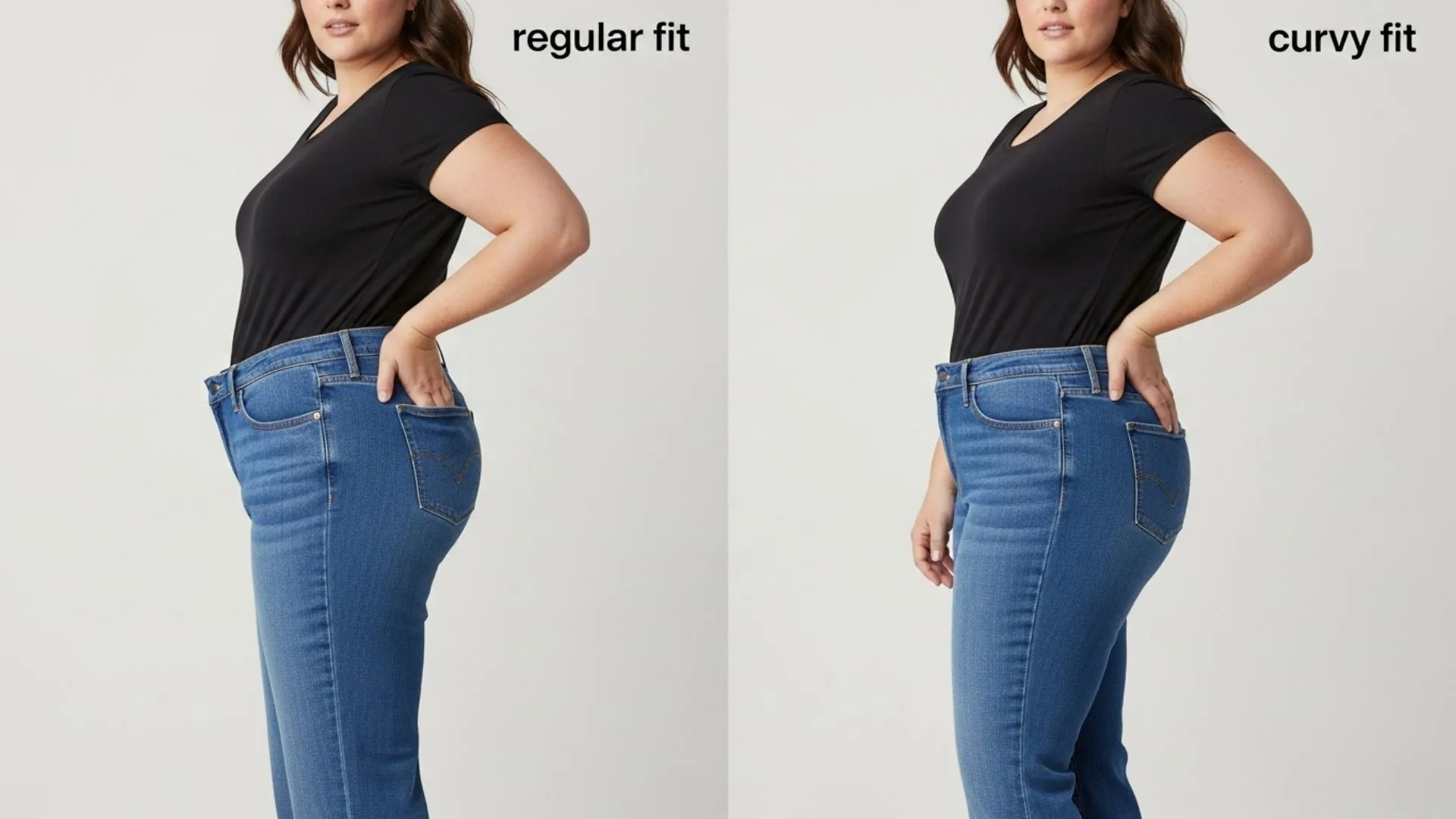
Are curvy-fit jeans better than regular jeans?
They can be better for bodies with fuller hips, thighs, or seat because curvy cuts usually offer more room below the waist and reduce waist gap.
How do I avoid waist gap in jeans?
Choose contoured waistbands, curvy cuts, enough hip room, and fabric with recovery. If the waist gaps but hips feel tight, the cut is not right for your shape.
Should jeans feel tight when I first try them on?
They should feel secure, not painful. Denim with stretch may relax slightly, but jeans that pinch, cut, or restrict sitting are usually the wrong size or cut.
What reviews matter most before buying jeans online?
Look for comments about waist gap, thigh room, stretch recovery, length, rise, and whether shoppers with similar curves found the jeans comfortable.