Finding the right fit in plus size jeans is essential for comfort, confidence, and style, helping women make better choices and avoid common mistakes when shopping.
💕 Plus Size Fashion Questions? Ask Isabella!
Style, outfits, looks, combinations, fashion tips... quick & caring answers.
💕 Top Plus Size Fashion Picks
Handpicked products that fit and flatter curves













- Understanding Plus Size Jeans: Fit, Comfort, and Everyday Benefits
- Main Types of Plus Size Jeans and Their Advantages
- Key Factors for the Best Fit and Flattering Silhouette
- Common Mistakes and How to Avoid Them When Shopping for Plus Size Jeans
- How Plus Size Jeans Support Body Confidence and Everyday Style
- Quick Reference Table: Key Aspects of Plus Size Jeans
- Conclusion: Making Informed Choices for Comfort, Fit, and Confidence
- Where to Go Next
- FAQ
- Related Posts
Understanding Plus Size Jeans: Fit, Comfort, and Everyday Benefits
Plus size jeans are a category of curvy fit denim designed to provide better comfort, support, and fit for bodies with fuller hips, thighs, or waists.
The main function of plus size jeans is to adapt to the natural curves of the body, offering freedom of movement without restricting or causing discomfort. The structure, stretch, and cut of these jeans are developed to prevent gaps at the waist, tightness in the thighs, or sagging in areas where more support is needed.
This type of denim is suitable for women who struggle with standard sizing, especially those looking for jeans that complement their shape rather than forcing them into a rigid mold. Plus size jeans are particularly relevant for daily wear, office looks, social occasions, and casual outfits, providing both versatility and practicality.
The right pair of plus size jeans can boost body confidence, minimize common issues like waistband rolling or digging, and help avoid the frustration of ill-fitting clothes. For anyone seeking more information on plus size fit and comfort, exploring other fit and comfort guides can clarify how to choose jeans that truly work for your body type.
- Designed for curves: adapts to fuller hips, waists, and thighs
- Reduces discomfort and improves mobility
- Prevents common issues like waistband gaps or thigh tightness
- Enhances body confidence for everyday wear
Main Types of Plus Size Jeans and Their Advantages
Understanding the main types of plus size jeans helps clarify which styles best suit different needs and body shapes. Each model offers specific benefits, from shaping and support to freedom of movement and trend appeal.
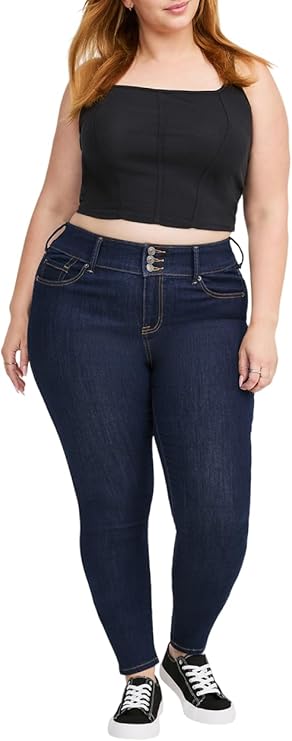
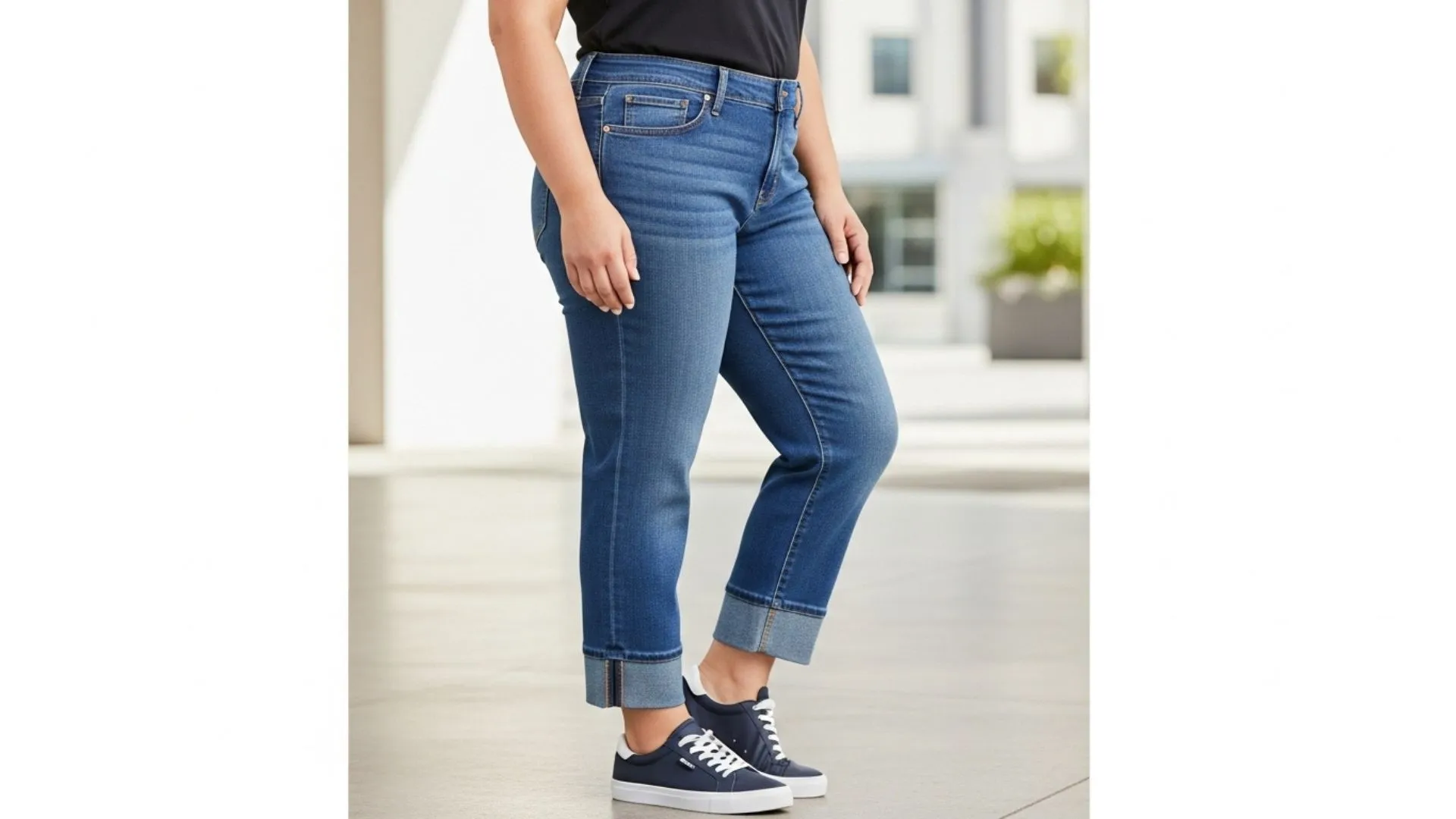
Skinny jeans are a staple, hugging the body from waist to ankle. They offer a streamlined look and pair well with tunics, blouses, or oversized shirts. High-rise skinny jeans, in particular, provide extra support for the midsection and help prevent rolling or slipping.
Straight-leg jeans are another popular option, balancing comfort and a classic silhouette. They’re ideal for those who want a versatile look that transitions easily from casual to smart-casual settings.
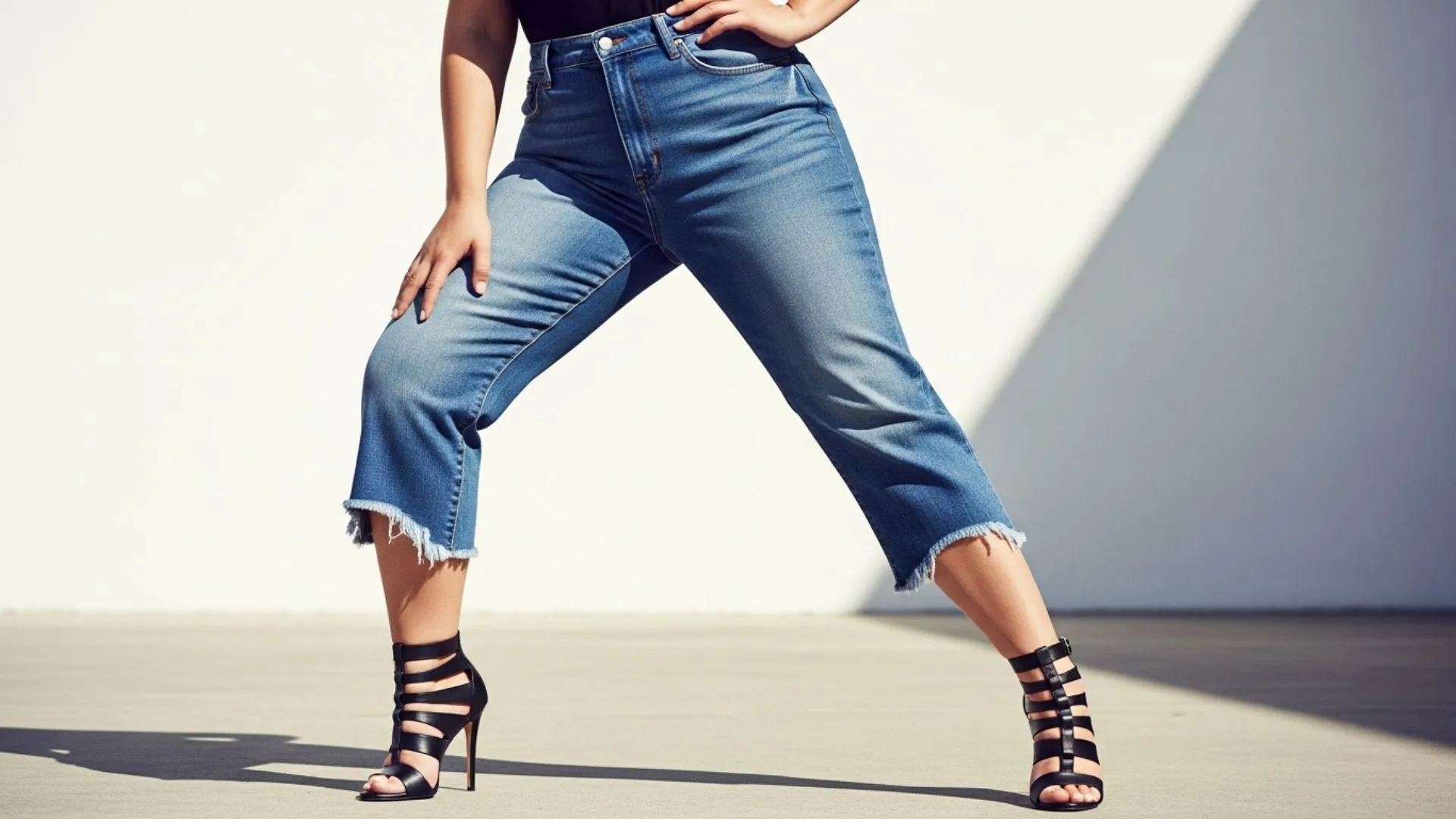
Bootcut and flare jeans add proportion and balance, especially for those with wider hips or thighs. The slight flare at the hem can visually elongate the legs and work well with boots or heels.
Relaxed and boyfriend jeans prioritize comfort and mobility, with looser cuts that avoid pinching or restricting movement. These are excellent for casual, laid-back outfits and can be styled with fitted tops to create a balanced look.
When choosing a style, it’s important to consider the fabric composition. Stretch denim, typically containing 2%–5% elastane, offers greater flexibility and adapts to body changes throughout the day. Rigid denim, while structured, may require a more precise fit and can be less forgiving.
- Skinny jeans: support and a sleek silhouette
- Straight-leg: classic, versatile, and comfortable
- Bootcut/flare: balance proportions and elongate legs
- Relaxed/boyfriend: comfort and freedom of movement
- Stretch denim: adapts to the body, reduces discomfort
For more on choosing the best jeans for curvy bodies, see our analysis of top plus size jeans and related guides.
Key Factors for the Best Fit and Flattering Silhouette
Fit in plus size jeans refers to how well the garment follows the natural lines of the body, providing comfort without constriction and support without excess fabric. Achieving a good fit is fundamental for both comfort and appearance, as poor-fitting jeans can lead to chafing, sagging, or unwanted bulging.
The waistband is a critical area: it should sit comfortably at the waist or slightly above, without rolling, digging, or creating a gap at the back. Contoured waistbands or jeans with a higher back rise help solve these issues.
Thigh and hip fit should allow ease of movement while avoiding overstretching or excessive looseness. Look for jeans with strategic darts, shaped panels, or extra room in the hip and thigh area.
Length is another factor: jeans should hit at or just below the ankle for most looks, but cropped and full-length options can be chosen based on personal style and footwear. Some brands offer petite and tall inseams, which can help achieve a more customized fit.
When trying on jeans, sit, squat, and walk to test comfort and mobility. Pay attention to pocket placement and seam construction, as these details can enhance or detract from the silhouette.
- Waistband: contoured, high-rise, or elasticized for comfort and support
- Hip/thigh: shaped panels, darts, or added space
- Length: matched to height and shoe preference
- Pockets and seams: positioned to flatter and provide structure
For deeper insights into achieving the perfect fit, explore our guides on fit and comfort.
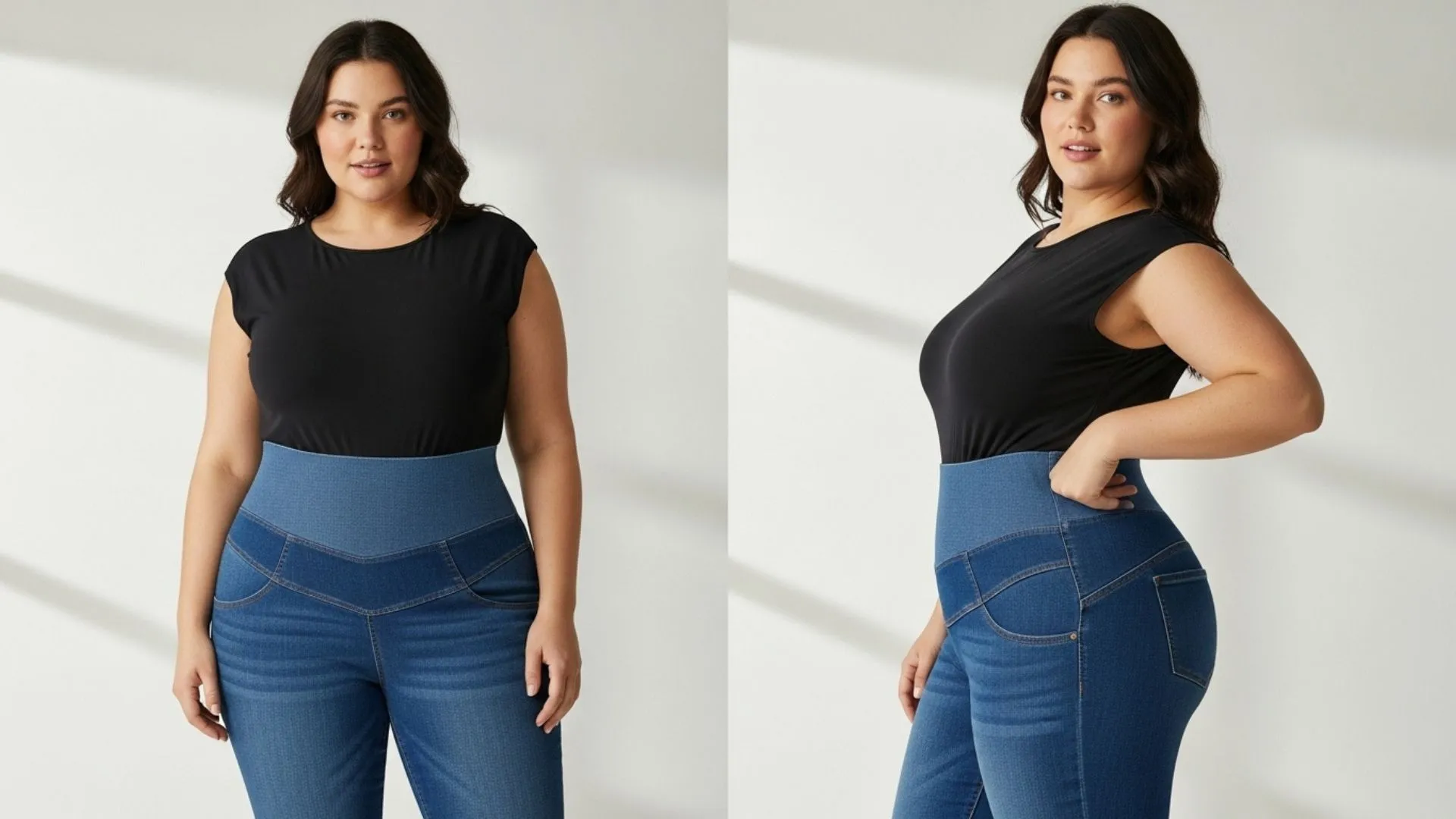
Common Mistakes and How to Avoid Them When Shopping for Plus Size Jeans
Selecting plus size jeans can be challenging due to inconsistent sizing, fabric differences, and varying brand standards. Recognizing and avoiding common mistakes can make the process smoother and more successful.
One frequent error is relying solely on the numeric size. Sizing can vary significantly between brands and even between different models from the same label. It’s more effective to use body measurements and refer to the brand’s sizing chart for guidance.
Another pitfall is ignoring fabric content. Not all stretch denim behaves the same; some blends lose shape quickly, leading to sagging or bagging out. Opt for jeans with quality stretch fabrics that return to their original shape after wear.
Overlooking rise and cut is a mistake as well. Low-rise jeans may roll or cause discomfort, while ultra-high-rise may dig in if not proportioned correctly. Testing different rises and cuts is essential to find the most comfortable and flattering fit.
Failing to consider daily routine and footwear can also lead to disappointment. For example, cropped jeans may not suit all shoe styles, and overly long hems can drag on the ground.
- Check sizing charts and measure your body
- Examine fabric content and stretch quality
- Test different rises and cuts for comfort
- Match length and style to your routine and shoe choices
- Inspect seams, pockets, and closures for durability
To avoid these mistakes, see our buying guides and reviews for practical advice.
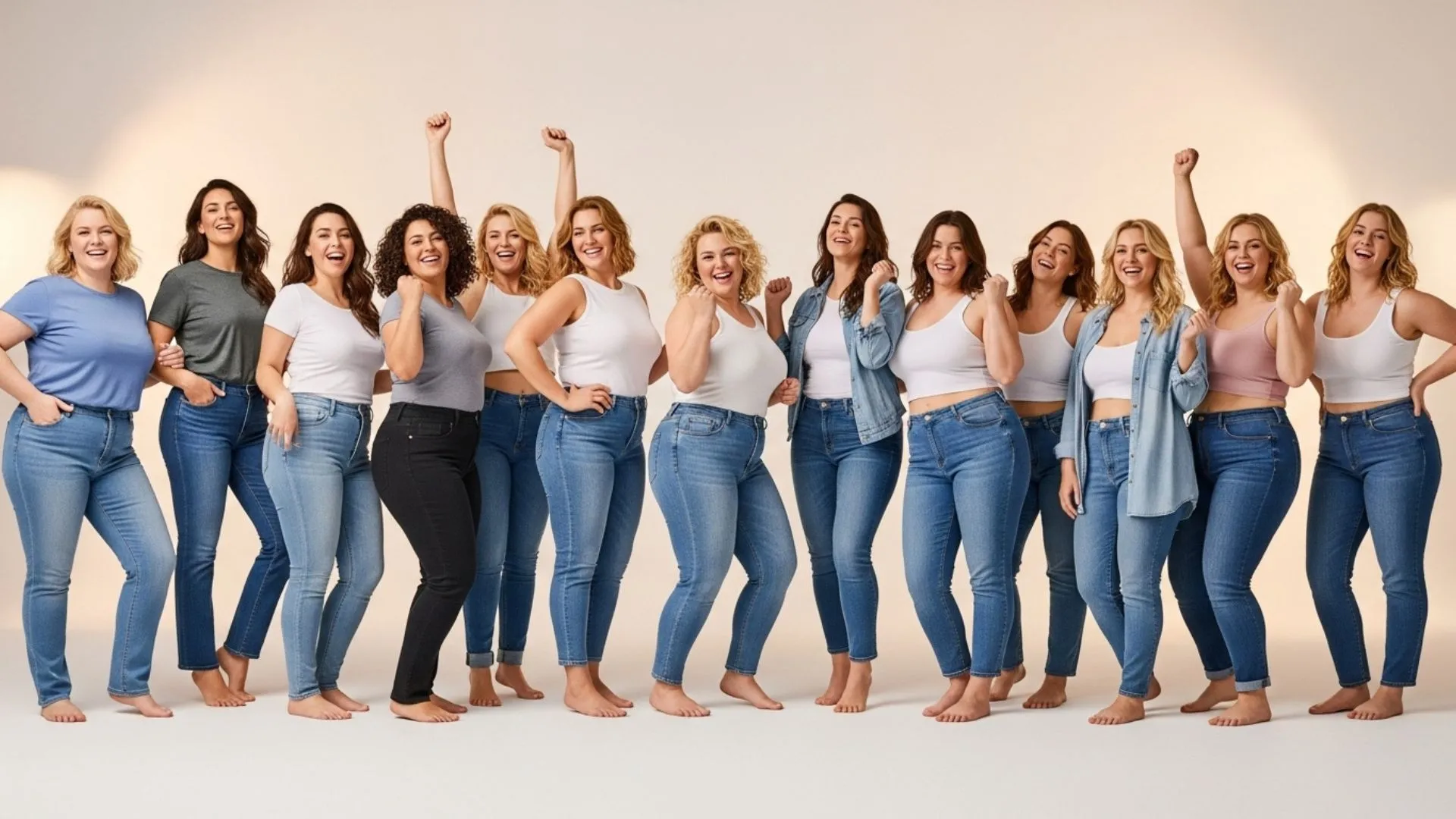
How Plus Size Jeans Support Body Confidence and Everyday Style
Plus size jeans play a significant role in building body confidence and enabling authentic personal style. Well-fitting jeans allow women to move freely, express themselves, and feel secure in social and professional settings.
These jeans are not just functional; they can also be styled for different occasions. Dark washes are often slimming and suitable for formal or office environments, while lighter washes and distressed styles create a more relaxed, youthful look.
Accessorizing with belts, statement shoes, or layered tops can personalize outfits, transforming basic jeans into a reflection of individual taste. The right pair of jeans can become a wardrobe staple, reducing the stress of daily dressing and encouraging experimentation with trends and colors.
For those exploring broader aspects of body confidence and lifestyle, see our content on body confidence and lifestyle for more practical inspiration.
- Boosts self-esteem through comfort and fit
- Adapts to various dress codes and occasions
- Enables style experimentation and outfit variety
- Reduces stress by simplifying wardrobe choices
Quick Reference Table: Key Aspects of Plus Size Jeans
| Element of Plus Size Jeans | Practical Impact | Point of Attention / Context | Who Benefits Most |
|---|---|---|---|
| Curvy Fit Denim | Adapts to natural curves, prevents tightness and sagging | Check fabric stretch and recovery for lasting comfort | Women seeking daily comfort and better fit |
| High-Rise Waistband | Provides support, prevents rolling and gapping | Choose correct rise for torso length and comfort | Anyone needing extra midsection support |
| Stretch Fabric | Enhances mobility, adapts to body changes | Low-quality stretch may lose shape over time | Active lifestyles, frequent sit/stand movement |
| Style Variety (Skinny, Bootcut, Relaxed) | Offers options for all occasions and body types | Some styles may fit differently depending on proportions | Women exploring personal style and versatility |
Conclusion: Making Informed Choices for Comfort, Fit, and Confidence
Understanding the essentials of plus size jeans—fit, fabric, style, and practical application—empowers women to make more conscious, confident decisions when choosing denim. Prioritizing comfort, examining the quality of materials, and testing different cuts reduces the risk of common mistakes and transforms jeans into reliable wardrobe allies.
By applying these principles, it’s possible to minimize frustration, enjoy greater freedom of movement, and build outfits that reflect both comfort and individuality. For those who wish to deepen their knowledge, explore more content on plus size fashion, fit, and confidence at Curves in Lace, and discover practical tips for every stage of your style journey.
Where to Go Next
If you are still choosing between bra styles, start with the full plus size bra guide before comparing products.
This keeps the next step useful without forcing a product search before you are ready.
Start With the Plus Size Bra Guide
FAQ
What should I look for in curvy fit jeans size chart: comparing top us denim brands?
Look for the rise, waistband shape, hip room, thigh comfort, fabric stretch, and whether the jeans keep their shape after sitting and walking.
Are curvy-fit jeans better than regular jeans?
They can be better for bodies with fuller hips, thighs, or seat because curvy cuts usually offer more room below the waist and reduce waist gap.
How do I avoid waist gap in jeans?
Choose contoured waistbands, curvy cuts, enough hip room, and fabric with recovery. If the waist gaps but hips feel tight, the cut is not right for your shape.
Should jeans feel tight when I first try them on?
They should feel secure, not painful. Denim with stretch may relax slightly, but jeans that pinch, cut, or restrict sitting are usually the wrong size or cut.
What reviews matter most before buying jeans online?
Look for comments about waist gap, thigh room, stretch recovery, length, rise, and whether shoppers with similar curves found the jeans comfortable.