Choosing the Best Jeans for Plus Size: Fit, Comfort and Practical Tips
Understanding how to choose jeans for plus size bodies is essential for comfort, style, and confidence. This guide explores which elements matter most and how to avoid common mistakes when buying jeans.
💕 Plus Size Fashion Questions? Ask Isabella!
Style, outfits, looks, combinations, fashion tips... quick & caring answers.
💕 Top Plus Size Fashion Picks
Handpicked products that fit and flatter curves











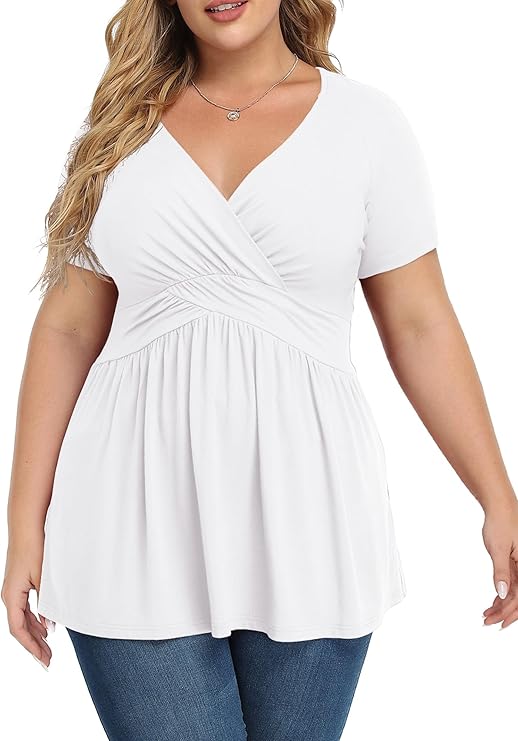
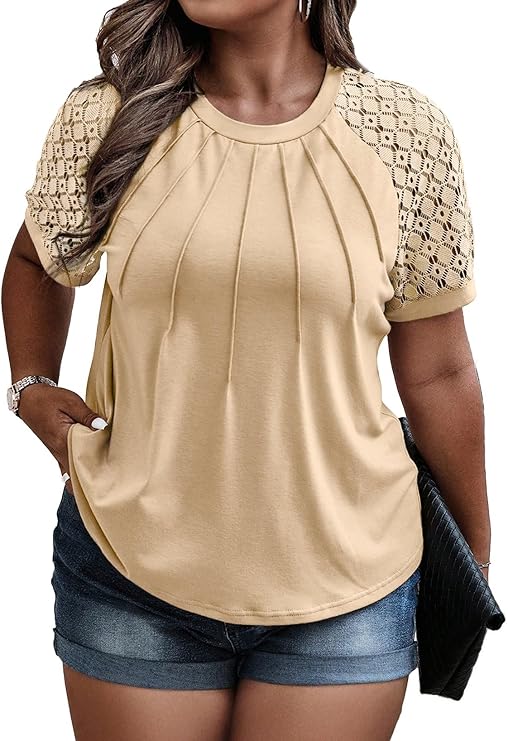


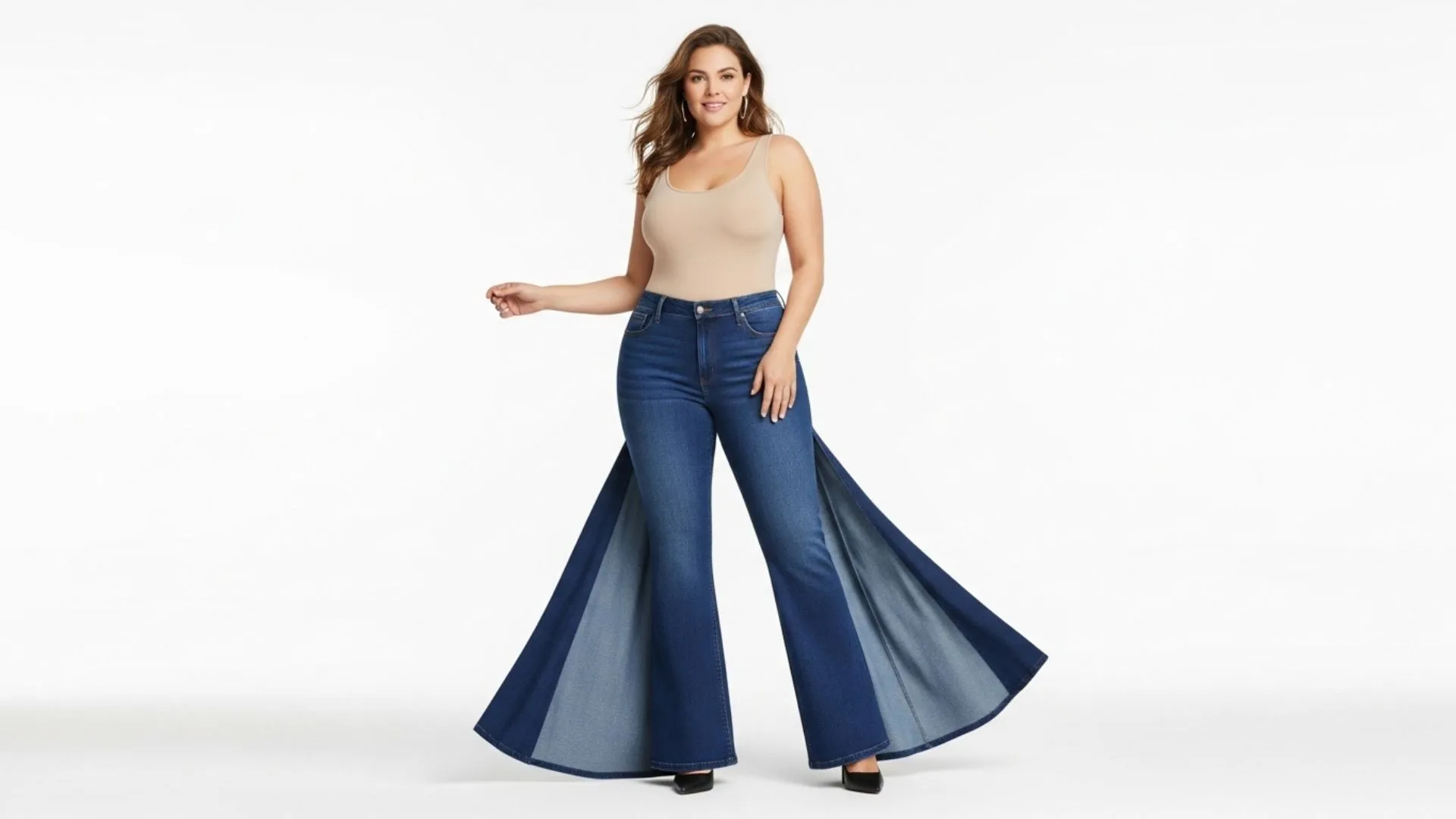
- What Makes Jeans for Plus Size Different?
- Essential Aspects of Fit and Comfort in Plus Size Jeans
- Types of Plus Size Jeans and How to Choose
- Practical Tips to Avoid Common Mistakes When Buying Plus Size Jeans
- The Role of Plus Size Jeans in Building Confidence
- Comparative Table: Key Elements in Plus Size Jeans Selection
- Conclusion: Applying Knowledge for Better Choices in Plus Size Jeans
- Where to Go Next
- FAQ
- Related Posts
What Makes Jeans for Plus Size Different?
Jeans for plus size is a clothing category designed to offer better fit, comfort, and style for curvy bodies. Unlike standard jeans, these pieces prioritize adjustments in the waist, hips, and thighs, considering body proportions and movement needs.
The practical context of plus size jeans involves recognizing the diversity of body shapes. Options such as high-rise waists, contoured waistbands, and stretch fabrics are commonly used to provide a secure yet flexible fit. These features help prevent discomfort, gaping, and restriction, which are often present when wearing jeans not designed for curvier figures.
This knowledge is especially relevant for women who experience challenges with standard jeans, such as tightness in the thighs, excess fabric at the waist, or lack of mobility. Understanding the distinctions within plus size jeans helps reduce frustration and increases the likelihood of finding truly comfortable and flattering options.
Key benefits of plus size jeans include:
- Improved fit in key areas (waist, hips, thighs)
- Greater comfort for daily wear
- Variety in styles and washes adapted for curvy bodies
- More confidence when dressing
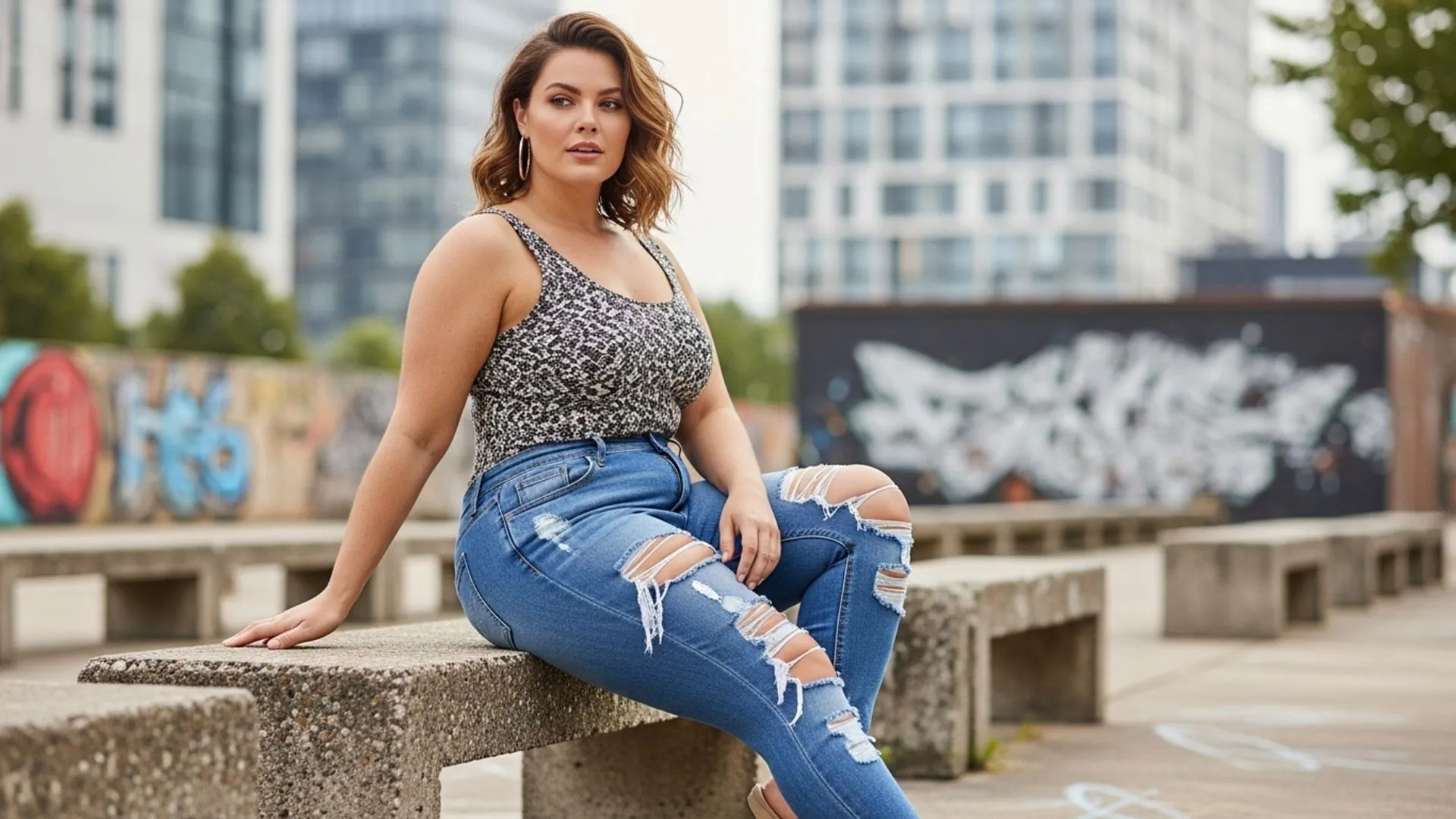
Essential Aspects of Fit and Comfort in Plus Size Jeans
Fit in plus size jeans refers to how the garment adapts to the body’s curves without causing discomfort or restricting movement. Comfort is the direct result of this fit, influenced by fabric choice, waistband style, rise, and cut.
Stretch denim is a common feature, offering flexibility and accommodating changes in body shape throughout the day. Contoured waistbands, which curve to follow the natural waist, help eliminate gapping at the back and provide a secure feeling without digging in.
Rise is another crucial point: high-rise and mid-rise styles are generally more comfortable for plus size bodies, as they offer support and coverage. Cuts such as bootcut, straight, and relaxed fit allow for more room in the thighs and calves, reducing chafing and tightness.
However, it is important to note that fit is not solely determined by size labels. Brand sizing, fabric composition, and cut variations may significantly affect the final result. Trying different styles and paying attention to the actual measurements, rather than just the number, increases the chance of a perfect fit.
Important considerations for fit and comfort:
- Look for jeans with at least 2% elastane or spandex for flexibility
- Choose waistbands that do not roll or pinch
- Check rise height for adequate coverage and support
- Evaluate thigh and hip room to avoid restriction
For more on these aspects, see guides dedicated to fit and comfort.
Types of Plus Size Jeans and How to Choose
Different types of jeans for plus size bodies address various needs for fit, silhouette, and style. The main categories include skinny, straight, bootcut, boyfriend, and relaxed fit.
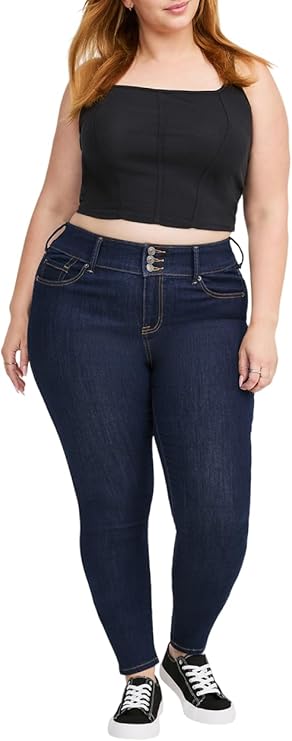
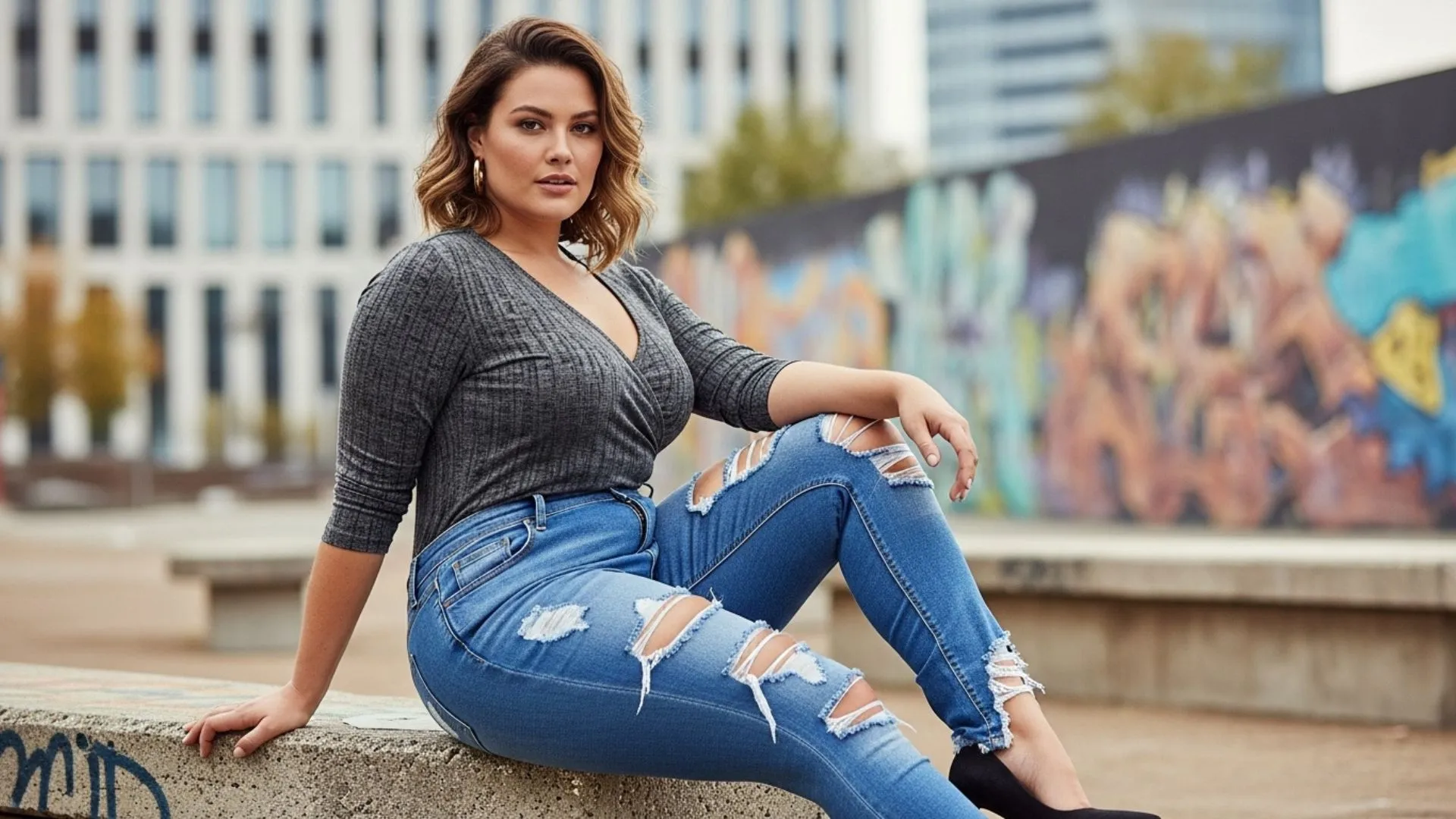
Skinny jeans for plus size are designed with stretch and reinforced seams, offering a close fit that highlights curves without discomfort. Straight and bootcut jeans provide balance for those who want a classic or slightly flared look, helping to elongate the silhouette. Boyfriend and relaxed fit styles focus on comfort and ease of movement, ideal for casual or active days.
The choice depends on personal style, body shape, and intended use. For example, high-rise straight jeans are practical for office environments, while relaxed fits are better for weekends or leisure. Dark washes are versatile and slimming, whereas lighter washes add a casual, youthful touch.
When selecting, consider:
- The cut that best matches your body shape and comfort needs
- The rise that provides the desired support
- The type of fabric and stretch for flexibility
- How the jeans pair with other wardrobe staples
For an in-depth look at each style, you can explore more analyses of jeans for curvy bodies.
Practical Tips to Avoid Common Mistakes When Buying Plus Size Jeans
Avoiding common mistakes when purchasing plus size jeans involves understanding both the technical and experiential aspects of fit. Relying solely on size labels, ignoring fabric composition, or overlooking rise and waistband design are frequent pitfalls.
One of the most effective strategies is to measure your waist, hips, and inseam, comparing these numbers with the brand’s size chart. Checking reviews and looking for feedback from other plus size consumers can provide real insight into fit consistency and fabric feel.
It is advisable to try on different cuts and rises, even those outside your usual preference, as body proportions vary. Pay attention to how the jeans feel when sitting and moving, not just standing. Notice if the waistband stays in place, if the thighs have enough room, and if the fabric recovers well after stretching.
Points of attention include:
- Brand sizing can vary significantly; always check measurements
- High-stretch fabrics may lose shape faster; balance comfort with durability
- Details like pockets and seams can affect the visual effect on curves
- Alterations may be necessary for a truly custom fit
For more detailed guidance, see additional buying guides and reviews.
The Role of Plus Size Jeans in Building Confidence
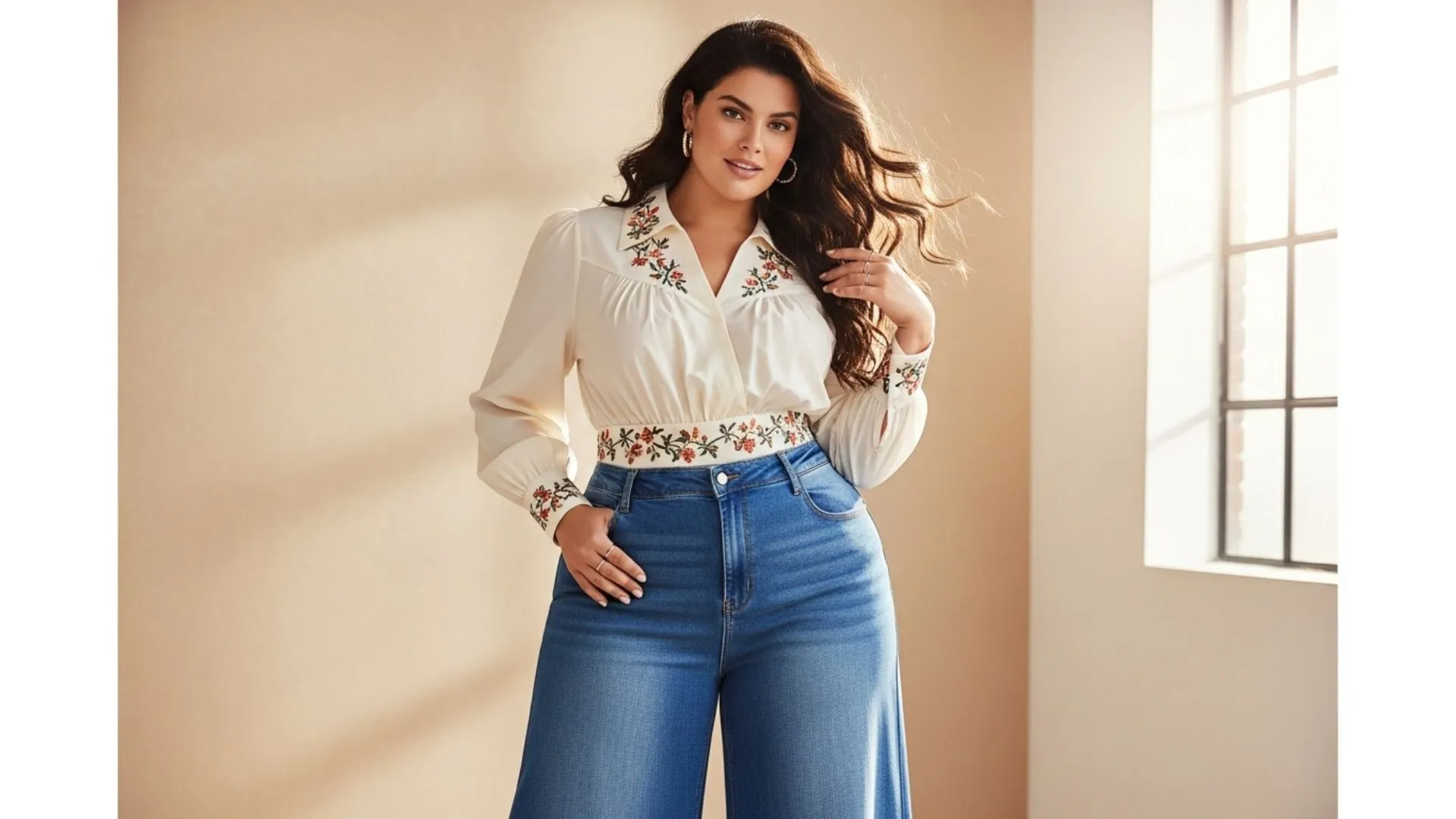
Jeans for plus size are not just about covering the body; they play a central role in confidence and self-expression. Well-fitting jeans can transform posture, comfort, and the perception of one’s own body, making them a foundation of many plus size wardrobes.
The ability to choose jeans that fit well and feel comfortable reinforces a positive relationship with clothing and body image. This is especially important within the broader context of body confidence, where each wardrobe choice can empower or discourage.
Choosing jeans that respect the body’s natural curves, provide support, and allow free movement is a practical way to support self-esteem. It is not about following trends blindly, but about understanding personal needs and making informed decisions that lead to greater satisfaction and confidence.
For further exploration of these topics, explore content on body confidence and lifestyle.
Comparative Table: Key Elements in Plus Size Jeans Selection
| Element of Plus Size Jeans | Practical Meaning | Point of Attention / Context | Who Benefits |
|---|---|---|---|
| Stretch Denim | Provides flexibility and adapts to body changes during the day | May lose shape if stretch content is too high; balance with structure | Women seeking comfort for daily wear |
| Contoured Waistband | Prevents gaping and offers secure fit at the waist | Fit varies between brands; may require trying different options | Those with a smaller waist-to-hip ratio |
| High-Rise Cut | Offers support and coverage for the abdomen and lower back | Not all bodies prefer high-rise; consider comfort and movement | Women who want more support and coverage |
| Relaxed/Bootcut Fit | Reduces tightness in thighs and calves, allowing more freedom | May look less streamlined; choose based on personal style | Those with fuller thighs or seeking casual comfort |
Conclusion: Applying Knowledge for Better Choices in Plus Size Jeans
Understanding the specifics of plus size jeans—fit, fabric, rise, and style—enables more conscious choices, reducing common buying errors and increasing comfort. Applying this knowledge helps in finding jeans that not only fit well but also support confidence and style in everyday life.
Practical application involves measuring, comparing, and experimenting with different models, always considering personal comfort and the real needs of your routine. By focusing on these aspects, it becomes easier to build a wardrobe that works for your body and lifestyle.
For those interested in deepening their understanding of plus size fashion, adjustment, comfort, or related topics, it is valuable to explore additional content on Curves in Lace and expand your knowledge about inclusive and practical fashion.
Where to Go Next
If you are still comparing denim cuts, use our curvy jeans fit guide to match rise, stretch, hips, and waistband comfort.
This keeps the next step useful without forcing a product search before you are ready.
Read the Curvy Jeans Fit Guide
FAQ
What should I look for in can you wear curvy jeans if you’re not curvy?
Look for the rise, waistband shape, hip room, thigh comfort, fabric stretch, and whether the jeans keep their shape after sitting and walking.
Are curvy-fit jeans better than regular jeans?
They can be better for bodies with fuller hips, thighs, or seat because curvy cuts usually offer more room below the waist and reduce waist gap.
How do I avoid waist gap in jeans?
Choose contoured waistbands, curvy cuts, enough hip room, and fabric with recovery. If the waist gaps but hips feel tight, the cut is not right for your shape.
Should jeans feel tight when I first try them on?
They should feel secure, not painful. Denim with stretch may relax slightly, but jeans that pinch, cut, or restrict sitting are usually the wrong size or cut.
What reviews matter most before buying jeans online?
Look for comments about waist gap, thigh room, stretch recovery, length, rise, and whether shoppers with similar curves found the jeans comfortable.