Choosing plus size jeans that truly fit can transform comfort, confidence and style in everyday life. This guide explains how to identify the best jeans for curvy bodies, avoid common mistakes, and apply practical tips for a flawless fit.
💕 Plus Size Fashion Questions? Ask Isabella!
Style, outfits, looks, combinations, fashion tips... quick & caring answers.
💕 Top Plus Size Fashion Picks
Handpicked products that fit and flatter curves











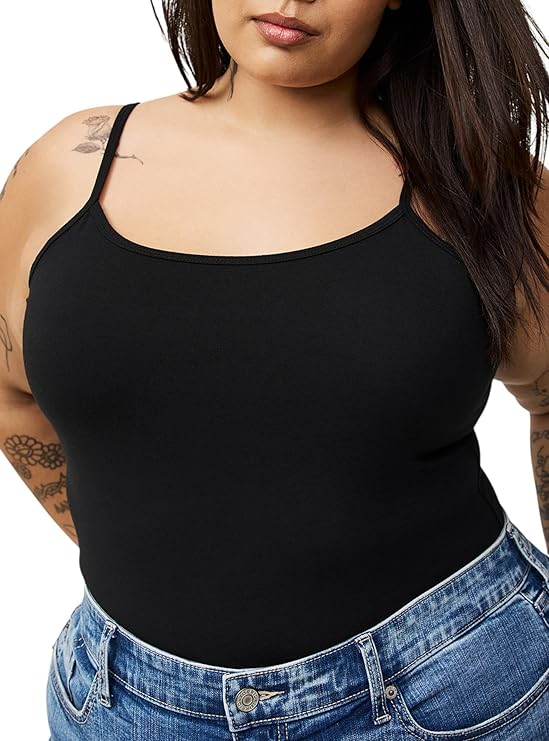
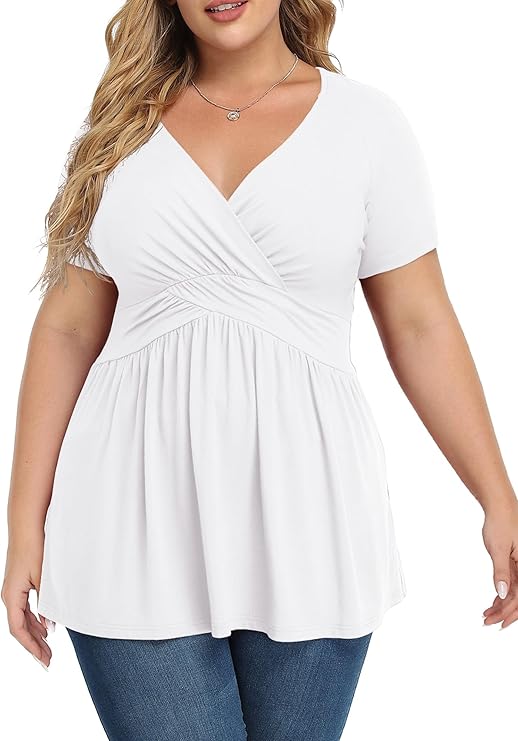
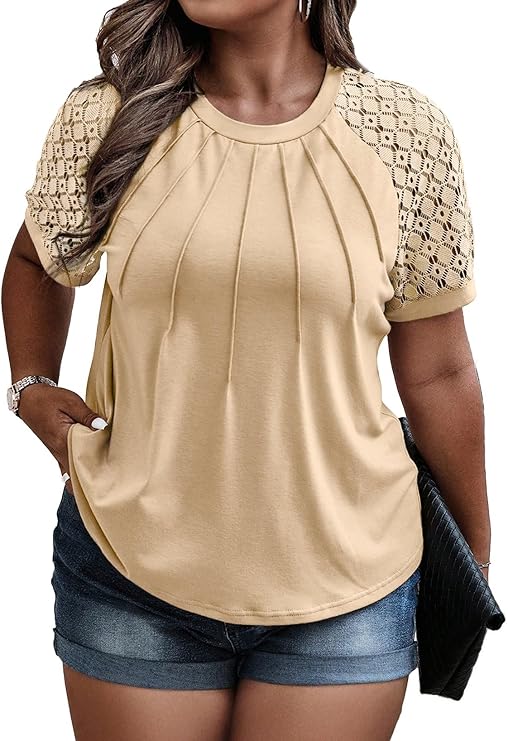


- What Makes Plus Size Jeans Different?
- Key Elements of Fit: Waist, Hips, Thighs, and Rise
- Denim Fabrics and Stretch: What to Look For
- Choosing the Right Cut and Style for Your Lifestyle
- Common Mistakes When Buying Plus Size Jeans and How to Avoid Them
- Quick Reference Table: Plus Size Jeans Fit and Comfort
- Applying the Knowledge: Building a Plus Size Denim Wardrobe
- Conclusion
- Where to Go Next
- FAQ
- Related Posts
What Makes Plus Size Jeans Different?
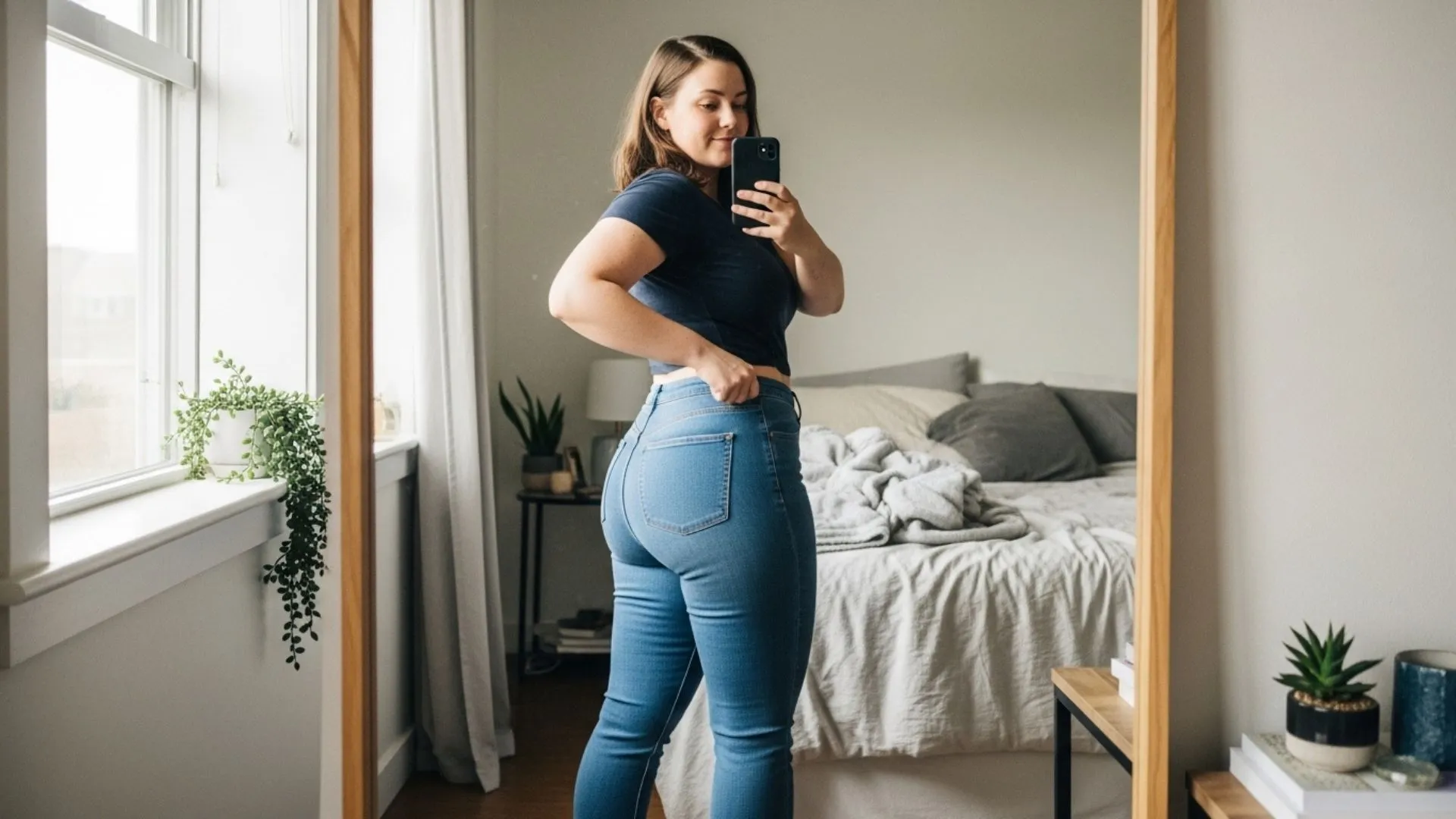
Plus size jeans are a category of curvy fit denim designed to accommodate fuller hips, thighs, and waists, offering a balance between comfort, support, and style. These jeans go beyond simply increasing the size of standard models; they are engineered to meet the anatomical and lifestyle needs of plus size women.
The core difference lies in the cut, rise, fabric composition, and attention to proportions. While traditional jeans may gap at the waist or feel restrictive on fuller thighs, plus size jeans use thoughtful design elements—such as contoured waistbands, strategic stretch, and reinforced seams—to provide a better fit and greater freedom of movement.
Understanding these distinctions is essential for anyone seeking denim that truly adapts to their body, rather than forcing their body into a rigid standard. This knowledge is especially relevant for women who have experienced discomfort, awkward fits, or disappointment with mainstream denim options.
- Designed for curvier hips, thighs, and waists
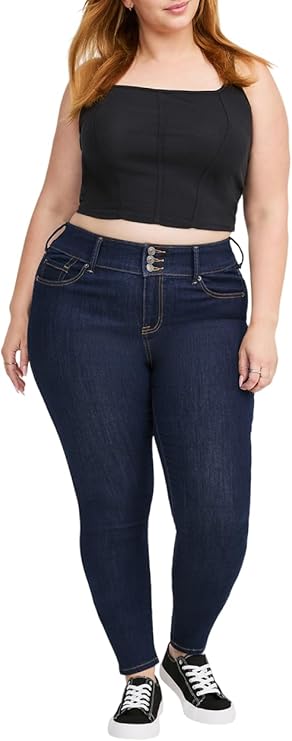
- Often feature higher rise and contoured waistbands
- Use stretch fabrics for flexibility without sagging
- Engineered for comfort, durability, and flattering shape
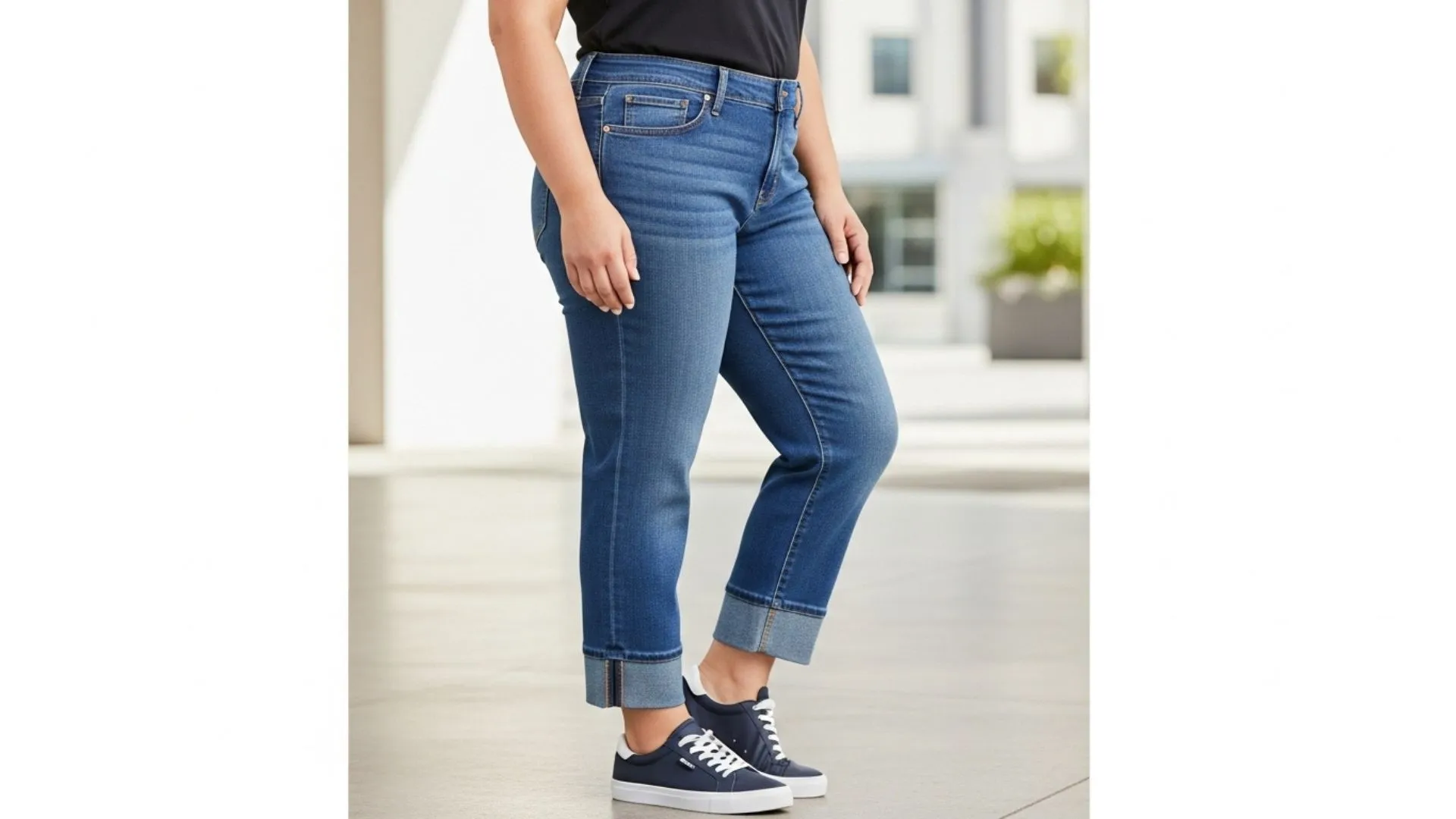
Key Elements of Fit: Waist, Hips, Thighs, and Rise
The fit of plus size jeans is determined by four main elements: the waist, hips, thighs, and rise. Each plays a crucial role in how jeans feel and look on the body.
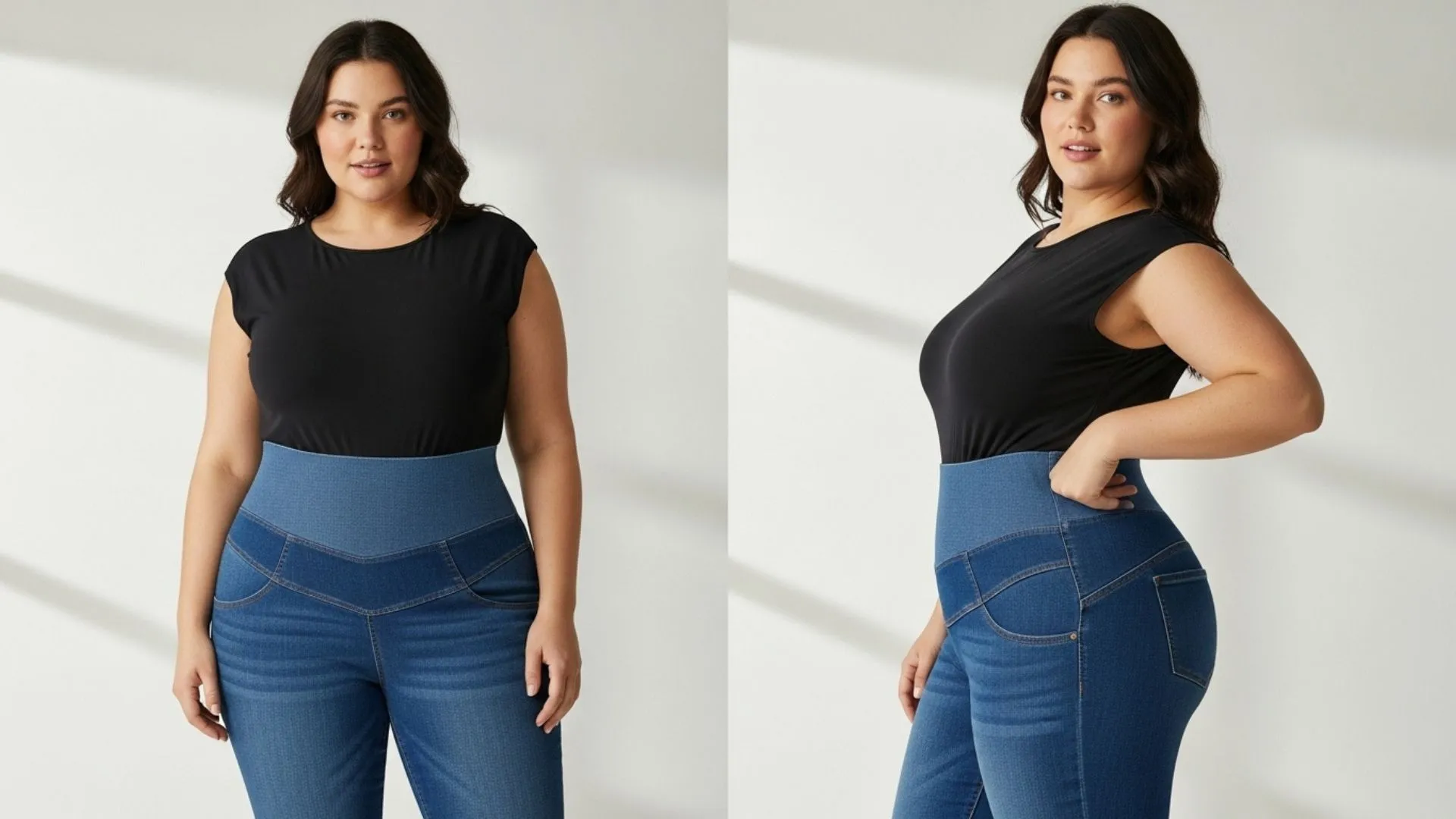
The waistband should sit comfortably without digging in or gaping at the back. Curvy fit jeans often include a contoured or elasticized waistband to address this common issue. The hip and thigh area should allow movement without pulling, ensuring the fabric gently hugs the body without creating tension lines or distortion.
The rise—the distance from the crotch seam to the top of the waistband—impacts both comfort and silhouette. Many plus size women prefer a mid or high rise, as these options provide more coverage, help prevent muffin top, and support the lower abdomen.
Selecting jeans that address all four elements minimizes the risk of discomfort, unflattering bunching, or constant readjustment throughout the day.
- Waist: Look for contoured or flexible bands
- Hips/Thighs: Choose cuts with extra room or stretch
- Rise: Mid or high rise offers more support and coverage
- Prioritize designs that prevent gaping or pinching
Denim Fabrics and Stretch: What to Look For
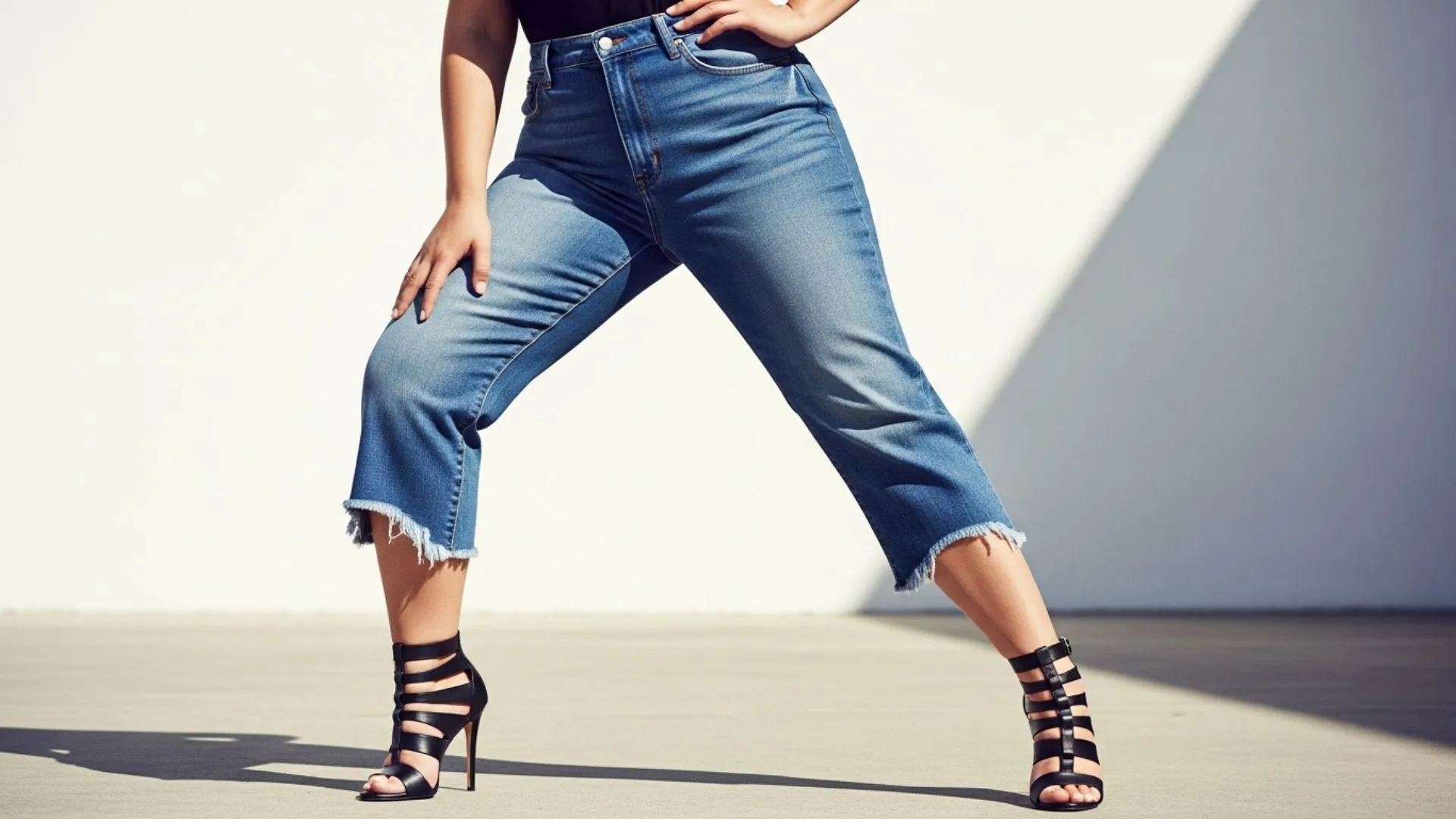
Denim fabrics in plus size jeans play a decisive role in both comfort and durability. The blend of cotton, elastane (spandex), and sometimes polyester affects how jeans move with the body and retain their shape over time.
A good plus size denim usually contains at least 1-3% elastane, which provides enough stretch for movement without causing bagginess or sagging after a few hours of wear. Cotton-rich blends offer breathability and structure, while added polyester can increase durability and color retention.
However, too much stretch can lead to jeans losing their shape, while too little can cause restriction and discomfort. The best practice is to test the fabric’s recovery: gently stretch a section and see if it returns to its original shape.
Understanding fabric composition empowers plus size consumers to make choices that prioritize comfort, fit, and longevity, rather than relying solely on size labels or assumptions.
- Look for denim blends with 1-3% elastane for flexibility
- Cotton-rich fabrics balance comfort and breathability
- Polyester adds durability and color stability
- Avoid jeans with excessive stretch that lose shape quickly
Choosing the Right Cut and Style for Your Lifestyle
Selecting the ideal cut and style is a cornerstone of plus size denim shopping. The main options—skinny, straight, bootcut, flare, and boyfriend—each offer unique benefits and applications for different body shapes and personal preferences.
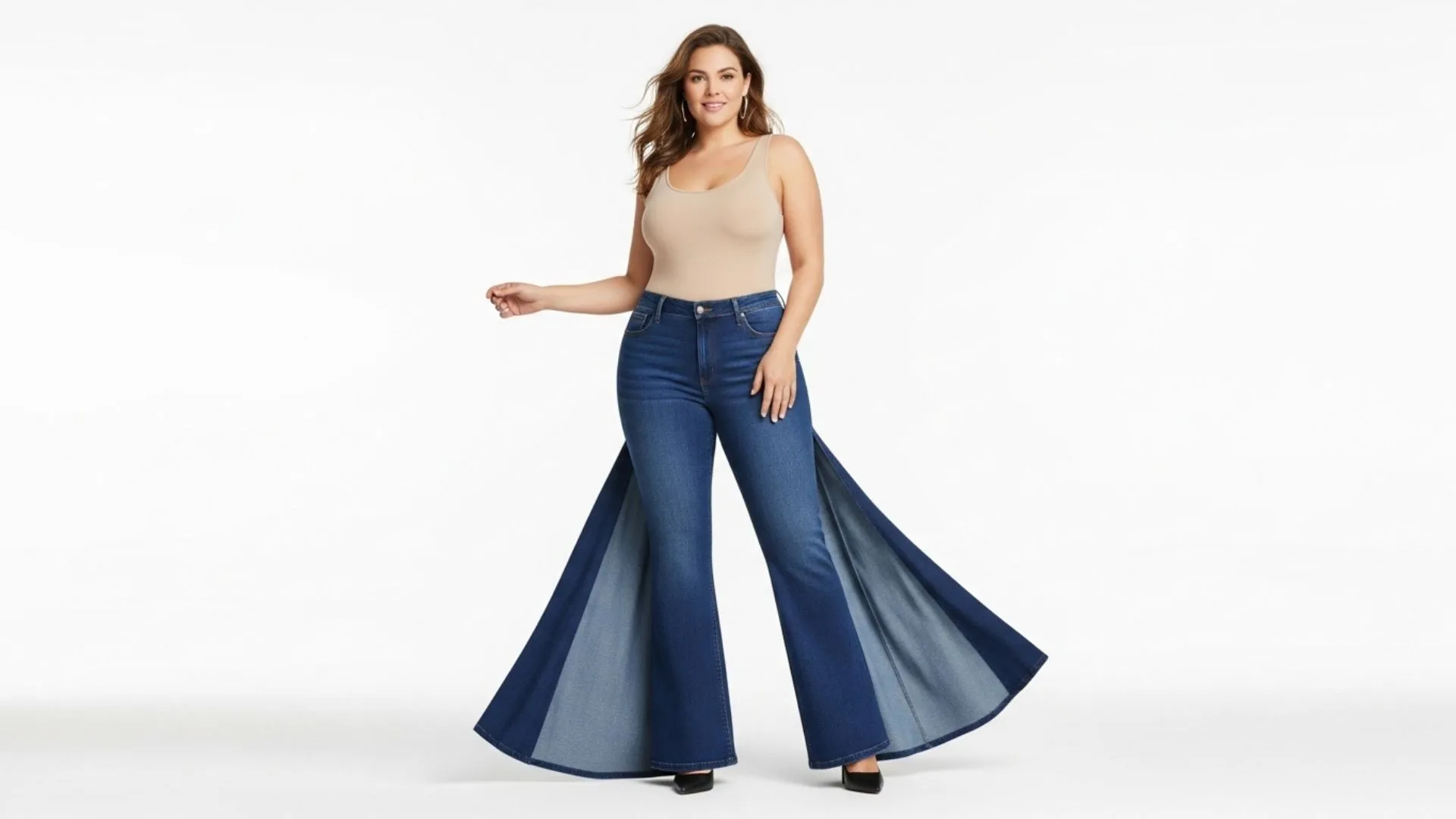
Skinny jeans, with their tapered fit, can be highly flattering when made with quality stretch denim and a supportive waistband. Straight and bootcut styles provide balance for those seeking a more classic or versatile look, while boyfriend and relaxed fits prioritize comfort and a laid-back aesthetic.
Practicality should guide your choice: consider your daily routine, the occasions you’ll wear the jeans, and what makes you feel most at ease. For instance, high-rise straight jeans are excellent for work settings, while stretchy skinny or jeggings are suited to active days or casual outings.
Trying multiple cuts and paying close attention to how each feels—not just how it looks—can help avoid the disappointment of ill-fitting denim.
- Skinny: Highlights curves, pairs well with longer tops
- Straight: Versatile, creates clean lines
- Bootcut/Flare: Balances proportions, works with boots
- Boyfriend/Relaxed: Emphasizes comfort, casual style

Common Mistakes When Buying Plus Size Jeans and How to Avoid Them
Buying plus size jeans involves unique challenges, and several common mistakes can undermine comfort and confidence. Recognizing these pitfalls is key to making better choices.
A frequent error is relying only on numerical sizing without considering brand variations in cut, rise, and stretch. Another issue is ignoring the importance of fabric recovery—jeans that seem comfortable during a quick try-on may later lose their shape.
Failing to test movement, such as sitting, bending, or walking, can also lead to surprises in daily wear. Overlooking the rise or the width of the leg opening may result in jeans that ride down, bunch, or feel awkward with different footwear.
To reduce these risks, always review sizing charts, read garment descriptions carefully, and, when possible, try on jeans under conditions similar to your real routine. This approach leads to more conscious, satisfying purchases.
- Don’t rely solely on size numbers—cuts and fits vary widely
- Test the fabric’s stretch and recovery before buying
- Move around during try-ons to assess comfort
- Pay attention to rise and leg opening for intended use
Quick Reference Table: Plus Size Jeans Fit and Comfort
| Theme or Element | Practical Meaning | Point of Attention / Context | Who It’s For |
|---|---|---|---|
| Contoured Waistband | Prevents gaping, supports curves | May vary in height and flexibility by brand | Women with fuller waists or hips |
| Stretch Denim (1-3% elastane) | Improves comfort and movement | Too much stretch can cause sagging | Everyday wearers, active routines |
| Mid/High Rise | Enhances support, avoids muffin top | May feel restrictive if too high or tight | Those seeking extra coverage and support |
| Cut/Style (Skinny, Straight, Bootcut, etc.) | Shapes silhouette, matches lifestyle | Different cuts suit different body types | Women exploring personal style and comfort |
Applying the Knowledge: Building a Plus Size Denim Wardrobe
Building a plus size denim wardrobe involves applying practical knowledge about fit, fabric, and style to everyday decisions. Start by identifying which cuts make you feel most comfortable and confident—there is no universal best, only what works for your body and lifestyle.
Pay attention to how different washes, leg lengths, and finishes interact with your existing wardrobe. Darker washes are generally more versatile and slimming, while lighter shades create a relaxed, casual vibe.
Rotate between at least two styles to cover various occasions: one for professional or formal settings, and another for casual or active days. Prioritize quality over quantity, as well-made jeans will maintain their shape and comfort longer, justifying the investment.
For more detailed guidance on denim and curvy fit, explore in-depth reviews and guides on curvy fit jeans at Curves in Lace.
- Identify your preferred styles through experimentation
- Choose washes and finishes that suit your wardrobe
- Invest in quality for comfort and durability
- Consult educational resources for ongoing learning
Conclusion
Understanding how to choose plus size jeans that truly fit is transformative for comfort, confidence and self-expression. By focusing on key elements like waistband design, stretch composition, rise, and cut, it’s possible to avoid many common pitfalls and enjoy denim that supports your lifestyle.
Applying these insights helps reduce frustration, saves time and money, and empowers you to make style choices rooted in body positivity. For more expert explanations and practical guides on fit, comfort, and curvy fashion, see other fit and comfort guides at Curves in Lace. Deepening your understanding leads to more conscious buying decisions and a wardrobe that truly supports your everyday life.
Where to Go Next
If you are still comparing denim cuts, use our curvy jeans fit guide to match rise, stretch, hips, and waistband comfort.
This keeps the next step useful without forcing a product search before you are ready.
Read the Curvy Jeans Fit Guide
FAQ
What should I look for in what makes jeans a true curvy fit?
Look for the rise, waistband shape, hip room, thigh comfort, fabric stretch, and whether the jeans keep their shape after sitting and walking.
Are curvy-fit jeans better than regular jeans?
They can be better for bodies with fuller hips, thighs, or seat because curvy cuts usually offer more room below the waist and reduce waist gap.
How do I avoid waist gap in jeans?
Choose contoured waistbands, curvy cuts, enough hip room, and fabric with recovery. If the waist gaps but hips feel tight, the cut is not right for your shape.
Should jeans feel tight when I first try them on?
They should feel secure, not painful. Denim with stretch may relax slightly, but jeans that pinch, cut, or restrict sitting are usually the wrong size or cut.
What reviews matter most before buying jeans online?
Look for comments about waist gap, thigh room, stretch recovery, length, rise, and whether shoppers with similar curves found the jeans comfortable.