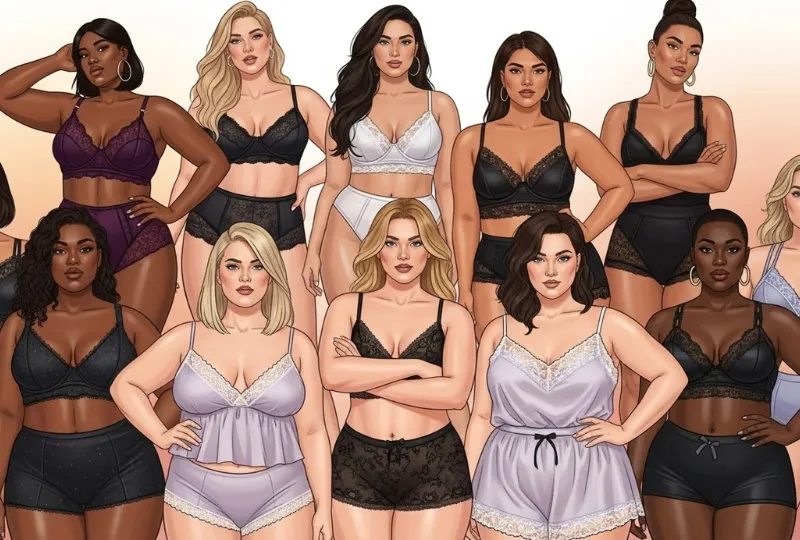
Shoppers looking for the best plus size bra in 2026 are facing a more specific issue than simple style choice: fit quality still breaks down across brands, even as new research and retail data show inclusive sizing drives trust and sales.
That matters because comfort is not a luxury in this category. It affects daily movement, shoulder pressure, skin irritation, confidence, and whether a bra feels supportive by noon or unbearable by dinner.
💕 Plus Size Fashion Questions? Ask Isabella!
Style, outfits, looks, combinations, fashion tips... quick & caring answers.
💕 Top Plus Size Fashion Picks
Handpicked products that fit and flatter curves


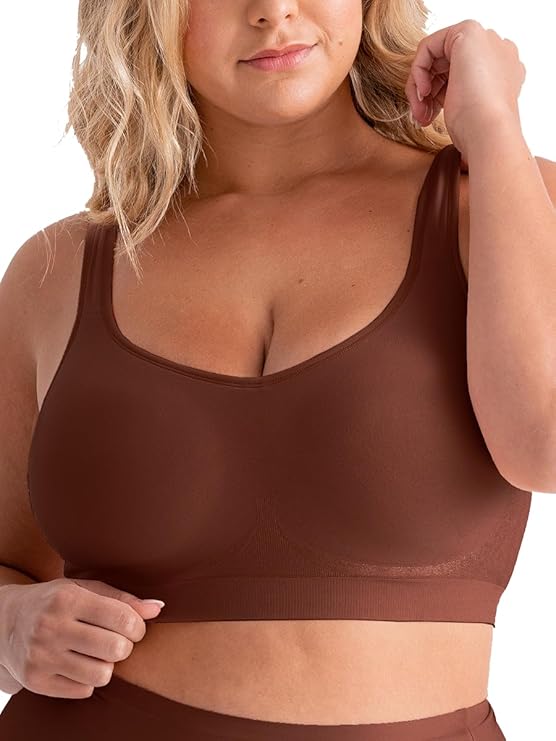

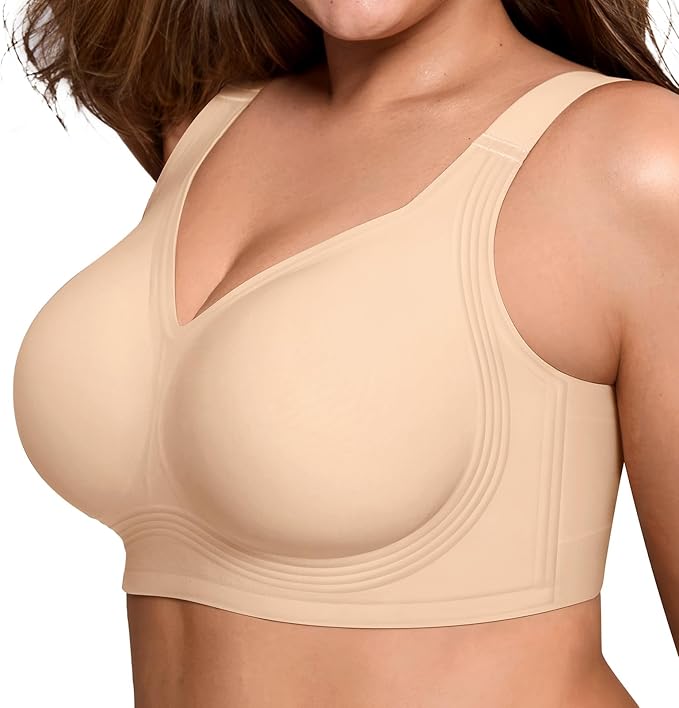


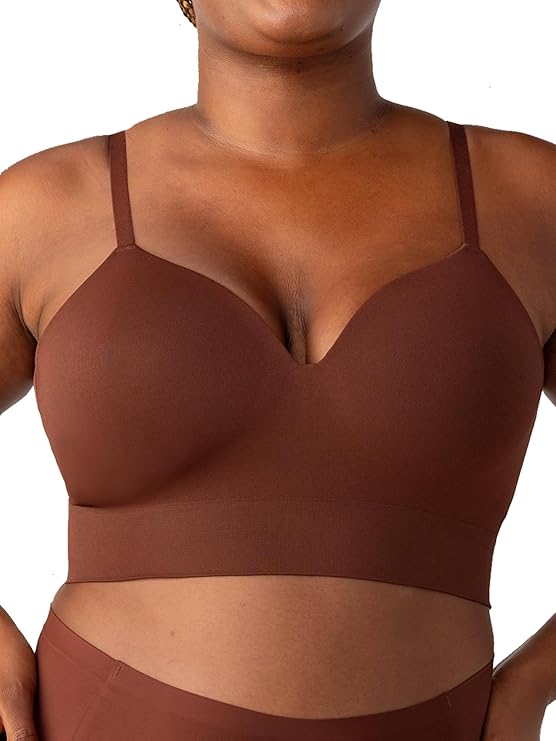


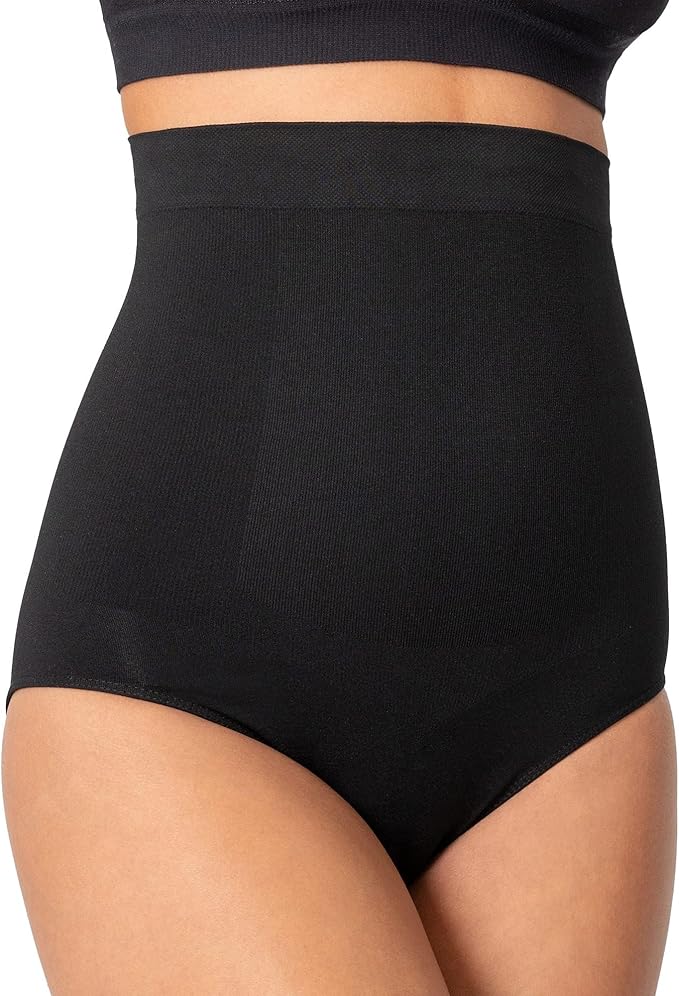


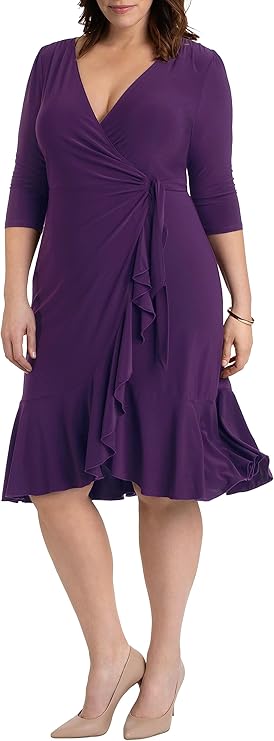


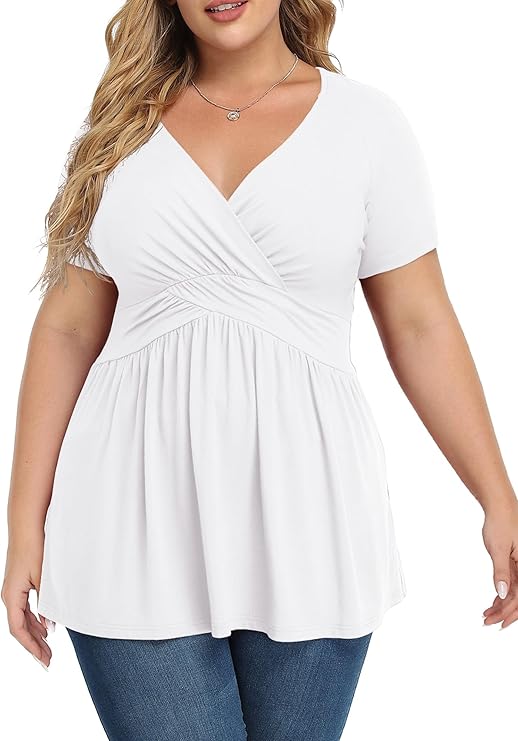
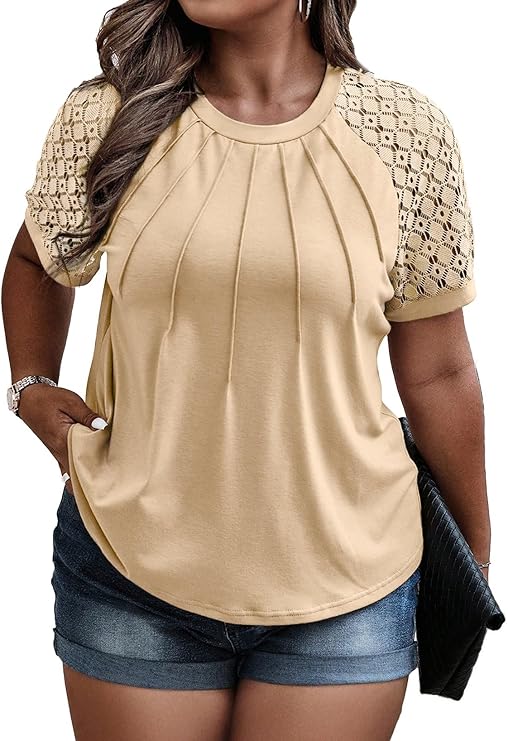


The latest evidence also points to a wider business shift. A December 2025 university study found extended sizing can improve brand trust and purchase intent, raising pressure on apparel companies to treat plus-size fit as product engineering, not just size expansion.
- Why the plus-size bra conversation changed in 2026
- What comfort really means in a plus-size bra
- Common mistakes that keep shoppers from finding the right fit
- Which bra types make the most sense for different needs
- Why body confidence is now part of the buying decision
- What People Want to Know About the Best Plus Size Bra in 2026
Why the plus-size bra conversation changed in 2026
Recent studies moved the debate beyond fashion. Researchers are now measuring how support, sizing, and education change comfort in real-world use.
A 2026 sports science paper indexed by PubMed examined female football officials after breast-health education and individualized sports bra prescriptions. It tracked fit, support, pain, and compatibility with upper-body equipment.
That is notable for one reason: support improved when the bra matched the body and the activity, not when wearers simply chose a bigger size or softer fabric.
For plus-size consumers, the takeaway is practical. The best bra is rarely the prettiest shelf option. It is the model built for breast volume, strap load, and daily routine.
| Key issue | What recent evidence suggests | Why it matters | Everyday effect |
|---|---|---|---|
| Inclusive sizing | Sizes 00-32 or XS-4XL improved trust | Brands gain credibility | More shoppers feel represented |
| Fit quality | Wrong sizing remains common | Support drops quickly | More digging and shoulder strain |
| Material choice | Stretch loss can reduce support over time | Comfort changes after wear | Bra feels worse after repeated washes |
| Activity match | Different tasks need different support levels | One bra cannot do everything | Desk comfort differs from walking comfort |
| Education | Guided fitting improves outcomes | Consumers buy smarter | Fewer returns and less pain |
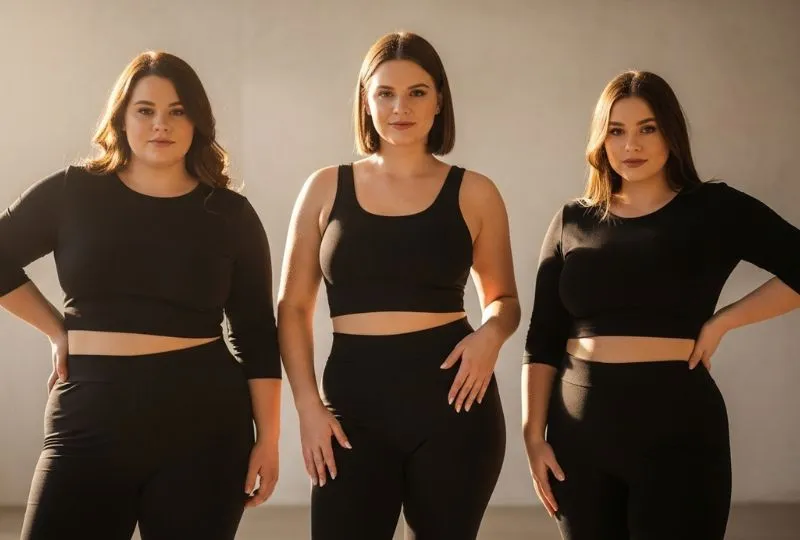
What comfort really means in a plus-size bra
Comfort is often misunderstood as softness alone. In reality, soft fabric without structure can create more fatigue for fuller busts.
The band does most of the support work. If it rides up, the straps start carrying too much weight, and the wearer feels it in the neck and shoulders.
Cups also matter more than many shoppers expect. Molded shapes may look smooth, but they do not always adapt well to fuller, projected, or asymmetric breasts.
A 2025 apparel study on wrong bra selection highlighted repeat complaints tied to inconsistent sizing, online buying errors, and fabric stretch that reduces support over time.
Materials that usually work better
- Firm but flexible bands that recover after stretching
- Breathable linings for long wear
- Wider straps that spread pressure
- Seamed or engineered cups for shape control
- Power mesh panels for side support
In other words, the best plus-size bra often feels secure before it feels invisible. That secure feeling is what creates lasting comfort later in the day.
Common mistakes that keep shoppers from finding the right fit
The most common mistake is buying the same size across every brand. Bra sizing is not standardized enough for that shortcut.
Another mistake is sizing up the band to solve cup problems. That usually creates a loose base and shifts weight onto the straps.
Many shoppers also keep old bras too long. Once elastic recovery fades, support fades with it, even if the bra still looks wearable.
A recent analysis published in fashion research reported that large shares of women still wear the wrong bra size, reinforcing how persistent fit errors remain across the market.
Red flags during a fitting
- Band climbs upward at the back
- Straps leave deep marks quickly
- Underwire sits on breast tissue
- Center front does not sit flat
- Cup edge cuts in or gaps badly
If two or more of those signs appear, the issue is not minor. It usually means the bra is working against the body instead of supporting it.
Which bra types make the most sense for different needs
No single bra wins every situation. The right choice depends on body shape, outfit, and how long the bra will be worn.
For everyday support, many plus-size shoppers do best in full-cup or balconette styles with strong side panels. Those designs usually control movement without flattening shape too aggressively.
For workdays or travel, wireless structured bras can help if they still use firm bands and supportive cup construction. Wireless does not mean support-free.
For walking, commuting, or exercise, encapsulation sports bras often outperform simple compression designs because they support each breast more effectively.
- Full-cup bras suit fuller coverage and longer wear.
- Balconette styles can help lift while keeping a rounded shape.
- Wireless support bras work for lower-impact days.
- Encapsulation sports bras fit movement-heavy routines.
- Plunge bras are better for outfit needs than all-day support.
A recent bra-fit guide from a breast health organization also stresses that body changes can happen at any age, which is why a once-correct size may stop working.
Why body confidence is now part of the buying decision
Fit failures are not just technical. They can change how someone feels in clothes, at work, or during exercise.
When bras dig, shift, or flatten in the wrong places, shoppers often blame their bodies first. That is the wrong conclusion.
The real issue is often product design. Inclusive sizing only helps when brands also improve grading, cup depth, wire shape, and support distribution.
This is why the latest sizing research matters beyond retail. It suggests that people reward brands that make extended sizing feel intentional, credible, and wearable.
For consumers searching “best plus size bra,” the most useful answer in 2026 is no longer a generic top-five list. It is a better method: match the band, match the cup, match the material, and match the bra to the day.
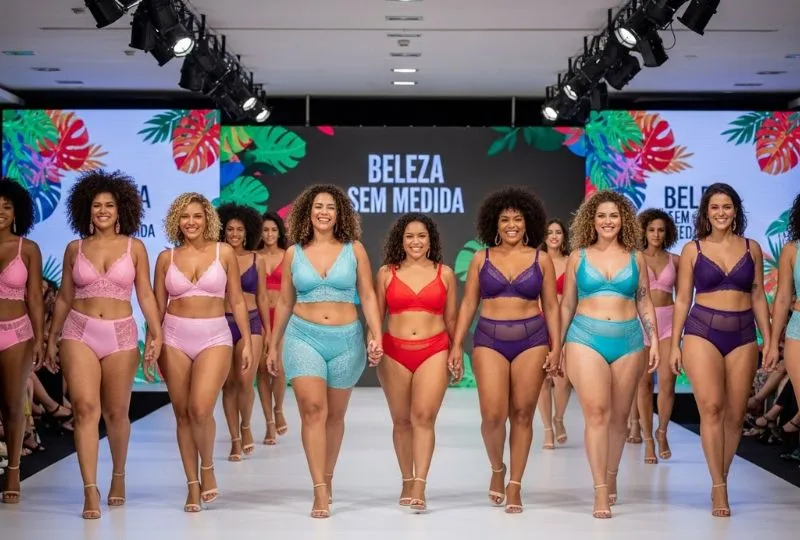
What People Want to Know About the Best Plus Size Bra in 2026
The biggest questions right now center on comfort, support, and why sizing still feels inconsistent even as brands expand size ranges. These answers focus on what helps most when choosing a plus-size bra for daily life in 2026.
How should a plus-size bra feel when it fits correctly?
It should feel firm at the band, stable at the cups, and supportive without pain. You should not need constant strap adjustment, and the back should stay level through the day.
Is a wireless bra supportive enough for a fuller bust?
Yes, sometimes. A wireless bra can work well if it has a strong band, structured cups, wide straps, and side support, but it may not replace a high-support sports or full-cup bra.
Why does my usual bra size change between brands?
Because bra sizing is not fully standardized. Brands differ in cup depth, band tension, wire shape, and grading, so the same label can fit very differently.
What is the biggest mistake people make when buying plus-size bras online?
They reorder the same size without checking each brand’s construction. Reading fit details, return policies, and support features matters more than trusting the label alone.
Which bra type is usually best for all-day comfort?
For many people, a full-cup bra with a firm band and supportive side panels works best. It usually balances lift, coverage, and pressure control better than fashion-first styles.
Editorial Notice
This content was structured with the assistance of Artificial Intelligence and submitted to rigorous curation, fact-checking, and final review by the editor-in-chief Isabelle. Curves In Lace reaffirms its commitment to journalistic ethics, ensuring that editorial judgment and the validation of information remain entirely under human responsibility, under the editor’s authority.
Transparency: Editorial Policy | AI Usage Policy | Corrections Policy | Contact