Finding the best plus size bra in 2026 is less about chasing a trend and more about solving a daily problem: discomfort, slipping straps, digging bands, and cups that never seem designed for real bodies.
The latest guidance from breast-health groups and fit specialists points in one direction. Better support starts with better fit, smarter materials, and bra designs matched to shape, routine, and movement.
💕 Plus Size Fashion Questions? Ask Isabella!
Style, outfits, looks, combinations, fashion tips... quick & caring answers.
💕 Top Plus Size Fashion Picks
Handpicked products that fit and flatter curves



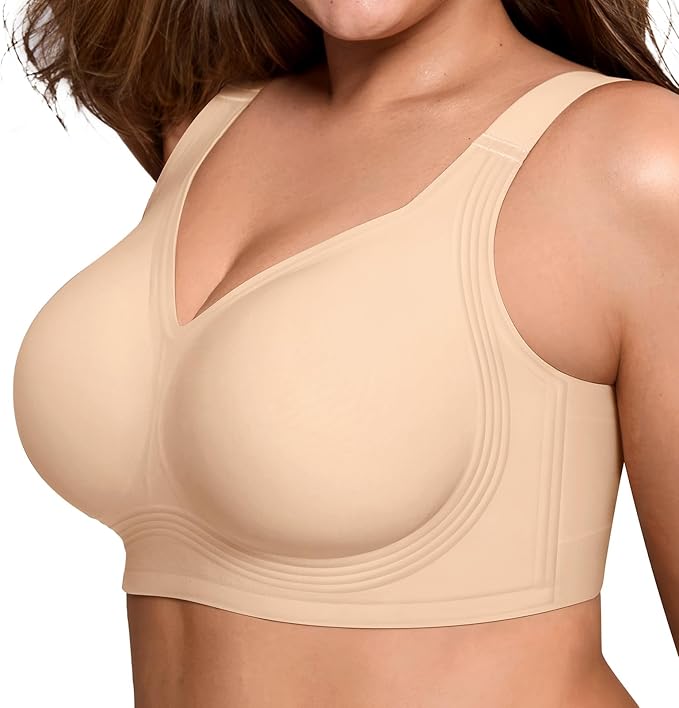


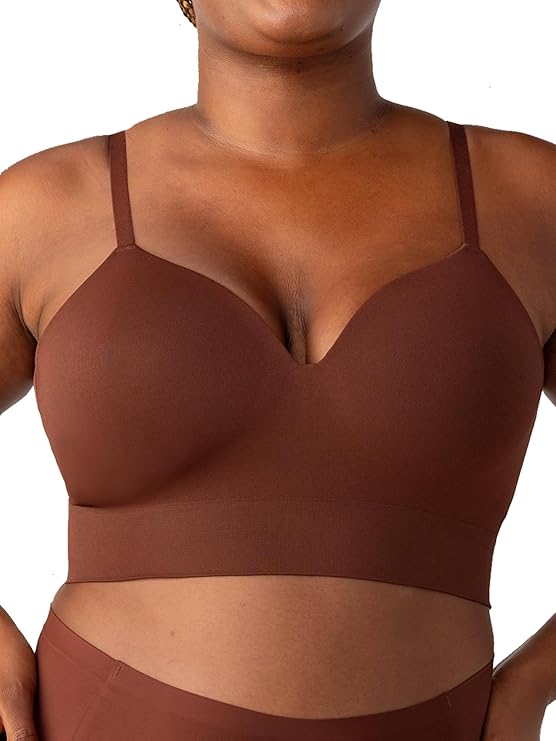


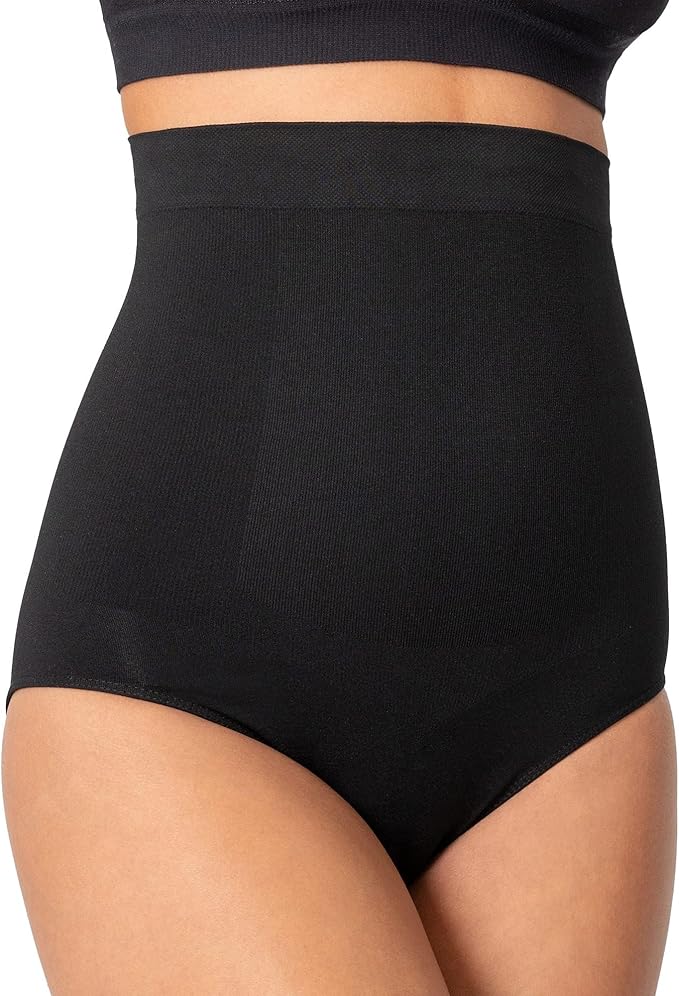


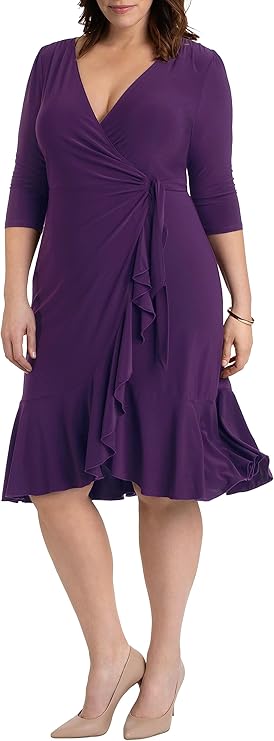




That matters now because many shoppers are rethinking old sizing habits after weight changes, remote work routines, and a wider push for comfort-first underwear that still delivers lift.
- Why fit is driving the biggest shift in plus size bra shopping
- Comfort starts with materials, structure, and realistic daily wear
- How to choose the right plus size bra for body shape and occasion
- The mistakes that keep plus size shoppers stuck in uncomfortable bras
- Body confidence is the real headline behind the best plus size bra debate
- What You Need to Know About the Best Plus Size Bra in 2026
Why fit is driving the biggest shift in plus size bra shopping
A growing share of bra advice in 2026 is focused on fit, not padding or appearance. That change is practical. A bra that fits well can reduce strain, improve support, and feel easier all day.
The clearest warning sign is simple. If the band rides up, the cups wrinkle, or the straps carry all the weight, the bra is probably not doing its job.
Breast-health guidance notes that a well-fitting bra is part of overall breast health, even though bra fit does not change breast cancer risk.
For plus size shoppers, the band usually matters more than expected. It provides most of the support. Straps help stabilize, but they should not feel like load-bearing ropes.
- Band should sit level around the body
- Cups should fully contain breast tissue
- Center front should lie flat when style allows
- Straps should stay put without digging
| Fit issue | What it usually means | Common fix | Comfort impact |
|---|---|---|---|
| Band rides up | Band too loose | Try a firmer band | Less support |
| Top cup gaping | Cup mismatch or wrong shape | Change cup style | Shifting and rubbing |
| Spillage at sides | Cup too small | Increase cup volume | Pressure points |
| Straps dig in | Band not supporting enough | Tighten band fit | Shoulder pain |
| Underwire pokes | Wrong cup size or wire width | Try wider cup shape | All-day discomfort |
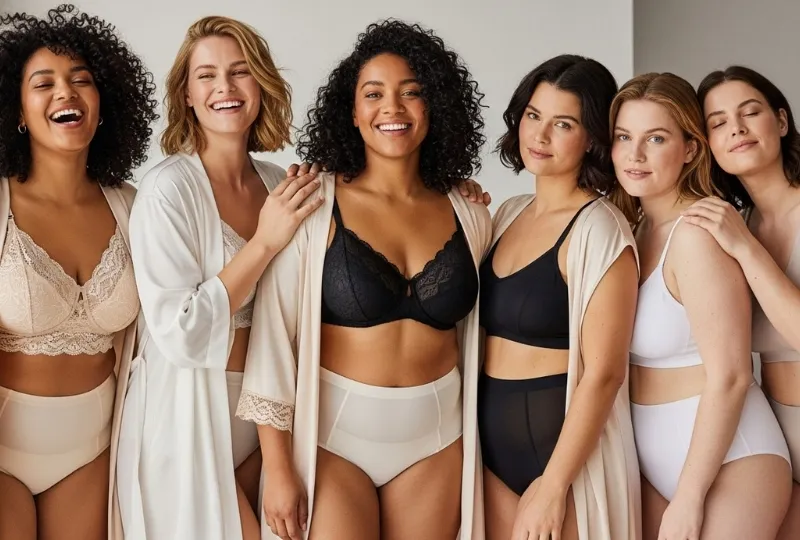
Comfort starts with materials, structure, and realistic daily wear
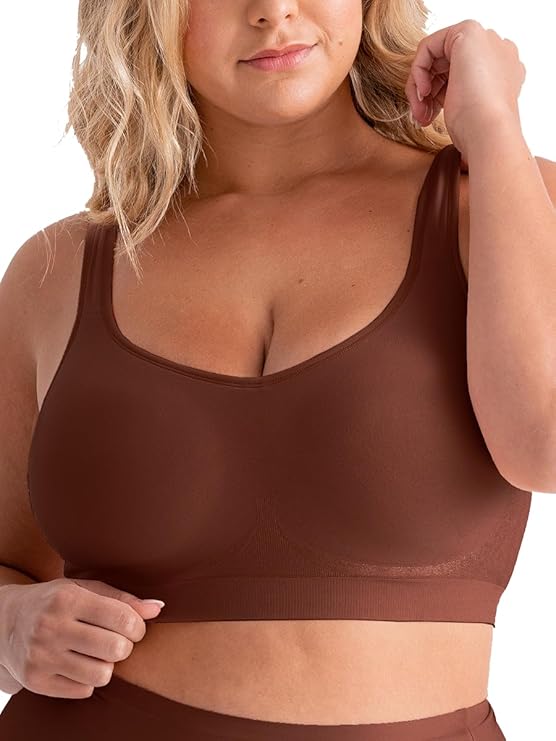
Fabric is no small detail. Soft linings, stable wings, breathable mesh, and stretch that recovers after wear can make a plus size bra feel supportive without becoming restrictive.
The best everyday options usually balance softness with structure. Too much stretch can feel nice for an hour, then collapse. Too much stiffness can create pressure and visible irritation.
That is why many fit experts now favor bras with supportive bands, side panels, wider straps, and fuller cups instead of relying on heavy padding.
Recent product and fitting coverage shows brands are still leaning into nationwide fittings and support-focused shopping events, reflecting how strongly comfort has become part of the sales pitch in 2026 through in-person bra fitting campaigns this spring.
Materials that tend to work better
Shoppers looking for longer wear time should pay attention to fabric behavior, not just touch. Smooth microfiber can disappear under clothing, while power mesh often improves side support and stability.
- Microfiber for smooth everyday wear
- Power mesh for side support
- Cotton blends for softness
- Moisture-managing fabric for warm weather
Seams are another overlooked detail. Molded cups can give a clean shape under T-shirts, but seamed cups often provide better lift and projection for fuller busts.
How to choose the right plus size bra for body shape and occasion
No single bra works for every body or every day. The smartest approach is to match the bra to your shape, clothing, and routine instead of expecting one model to cover everything.
Fuller-on-top shapes often need cup edges that contain tissue without cutting in. Fuller-on-bottom shapes may prefer balconette or seamed cups that lift from below.
People with soft tissue often benefit from more structured cups and firmer side support. Those with close-set breasts may need lower center fronts or plunge-friendly shapes that separate more comfortably.
- Start with your current measurements
- Check how the band sits after fastening
- Scoop all tissue into the cups
- Adjust straps last, not first
- Walk, sit, and bend before deciding
For workdays, a full-coverage bra usually wins on security. For lower necklines, a plunge can work if the cup shape still contains tissue. For relaxed days, wire-free support bras can be enough.
Sports bras deserve separate treatment. A 2026 peer-reviewed study on female football match officials found that individual sports bra prescription improved comfort and support, reinforcing how personal fit affects performance.
The mistakes that keep plus size shoppers stuck in uncomfortable bras
The biggest mistake is staying loyal to an old size. Bodies change with age, hormones, weight shifts, pregnancy, medication, and activity level. Bra size can change even when clothing size barely moves.
Another common error is sizing up in the band for comfort. That often backfires. The bra feels easier at first, then slides upward and forces the straps to overwork.
Shoppers also confuse cup letters across band sizes. A D cup is not one fixed volume. Cup capacity changes with the band, which is why sister sizing can sometimes rescue a near miss.
Then there is the style trap. A bra can be technically your size and still fail because the cup shape is wrong for your breast shape. Fit is size plus shape, not size alone.
- Do not judge fit while standing still only
- Do not over-tighten straps to fix a loose band
- Do not assume all brands size the same way
- Do not buy scratchy lace for all-day wear
Body confidence is the real headline behind the best plus size bra debate
The strongest shift around plus size bras is emotional as much as technical. More shoppers want underwear that supports the body they have today, not the body a label says they should have.
That is why confidence and comfort now sit at the center of the category. The goal is not hiding the body. It is reducing distraction, pain, and self-consciousness during normal life.
Fashion and culture coverage this year has also highlighted renewed pressure around body image, especially as ultra-thin ideals return in some spaces. That makes supportive, body-neutral shopping advice feel more urgent.
The best plus size bra, then, is rarely the most dramatic one. It is the bra you forget about at noon, trust during movement, and do not rush to remove the moment you get home.
For most people, the winning wardrobe is a small rotation: one full-coverage everyday bra, one smooth T-shirt option, one wire-free comfort bra, and one properly fitted sports bra.
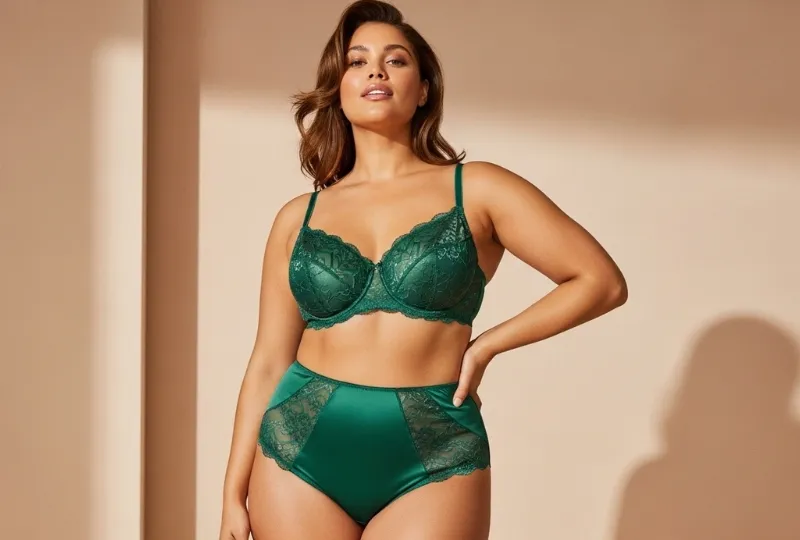
What You Need to Know About the Best Plus Size Bra in 2026
Plus size bra shopping is changing in 2026 because comfort, support, and accurate fit matter more than labels or trends. These questions focus on what real shoppers need right now when choosing a bra for daily life.
How do I know if my plus size bra band is too loose?
If the back rides upward, the band is too loose. A supportive band should sit level around your torso and provide most of the bra’s support.
Are wireless bras good enough for larger busts?
Yes, some are. Wireless bras can work well when they have strong bands, supportive cup construction, and wider straps, but they usually perform best for lower-impact days.
What bra style is usually best for everyday plus size comfort?
Full-coverage bras are often the safest everyday choice. They reduce spillover, improve stability, and usually feel more secure during long workdays.
Why does my bra size seem different between brands?
Because bra sizing is not perfectly standardized. Different brands use different cup shapes, wire widths, and stretch levels, so the same labeled size can fit very differently.
How often should I recheck my bra size?
Recheck it whenever your body changes or your bras start feeling wrong. A good rule is to reassess every six to twelve months, especially after weight, hormone, or lifestyle changes.
Editorial Notice
This content was structured with the assistance of Artificial Intelligence and submitted to rigorous curation, fact-checking, and final review by the editor-in-chief Isabelle. Curves In Lace reaffirms its commitment to journalistic ethics, ensuring that editorial judgment and the validation of information remain entirely under human responsibility, under the editor’s authority.
Transparency: Editorial Policy | AI Usage Policy | Corrections Policy | Contact