Fresh evidence is reshaping the conversation around the best plus size bra in 2026. The biggest news is not a celebrity launch or a trend report. It is a data-backed warning about fit, trust, and missed demand.
A December 8, 2025 study showing extended sizing lifts trust and purchase intent is now colliding with retail deals and fashion data in ways bra shoppers feel every day.
💕 Plus Size Fashion Questions? Ask Isabella!
Style, outfits, looks, combinations, fashion tips... quick & caring answers.
💕 Top Plus Size Fashion Picks
Handpicked products that fit and flatter curves


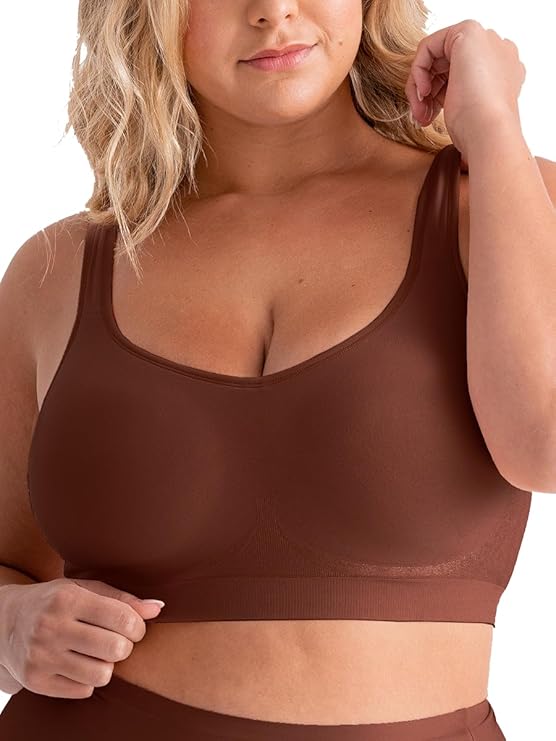

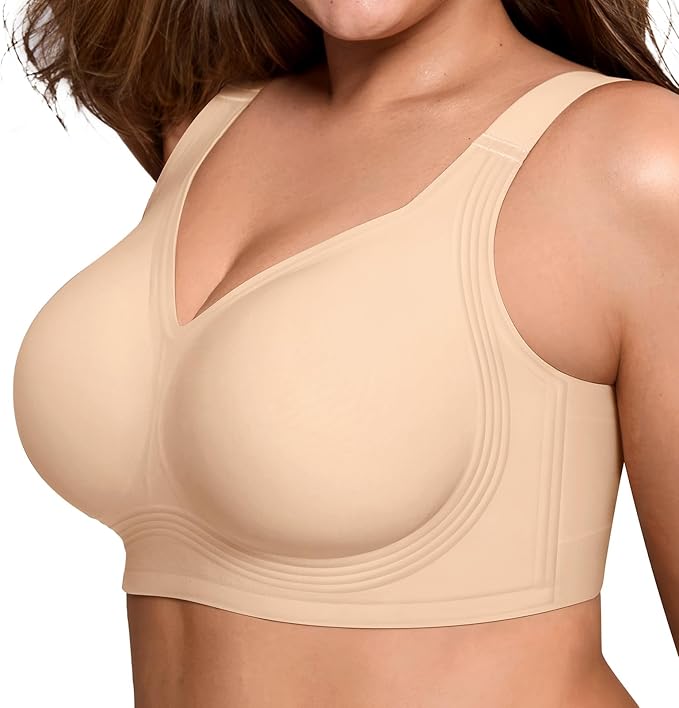


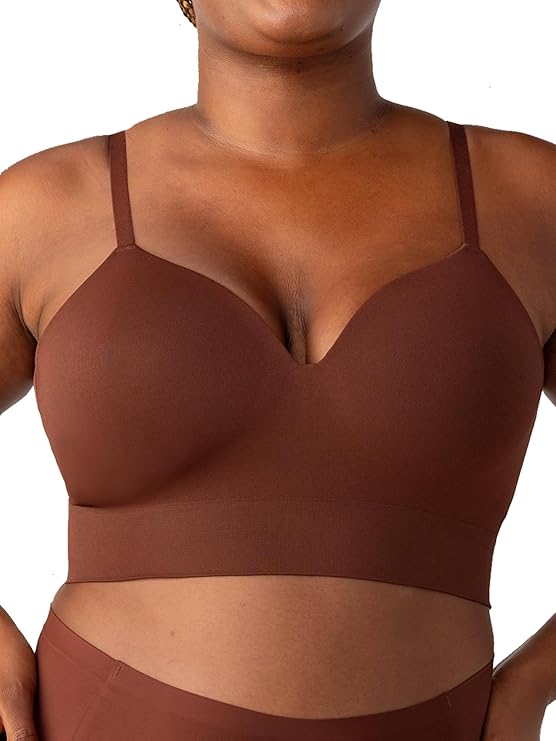


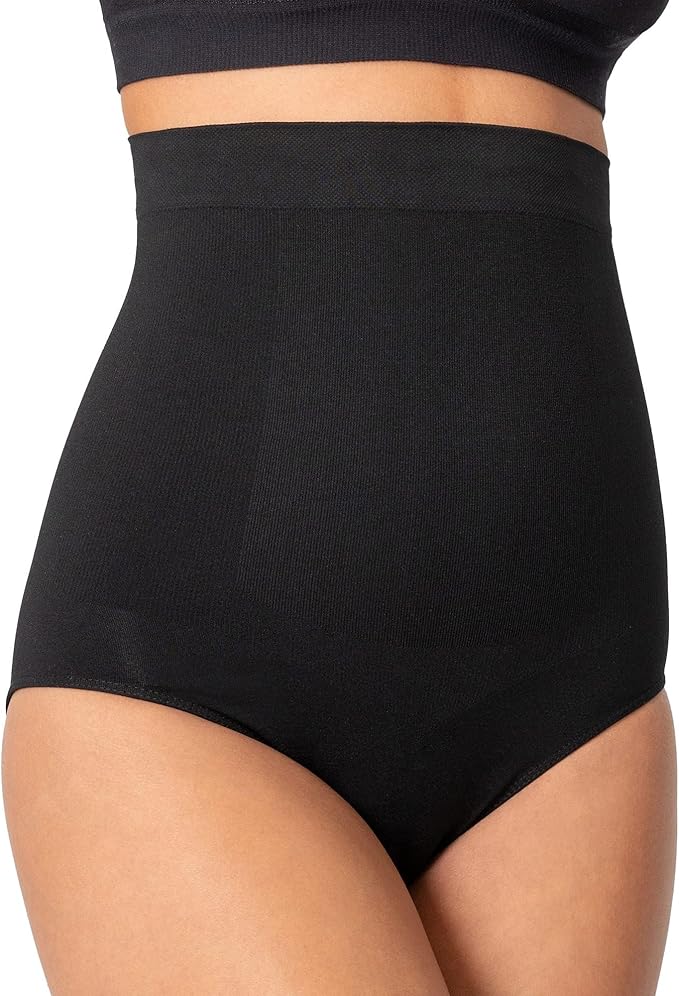


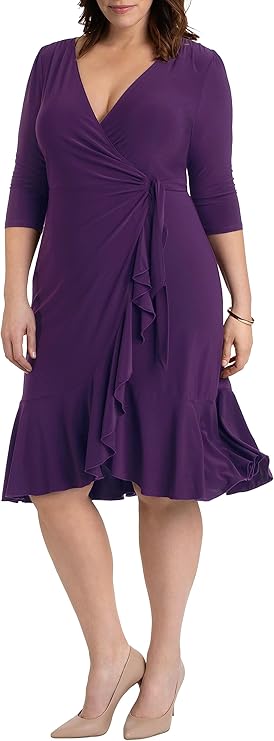


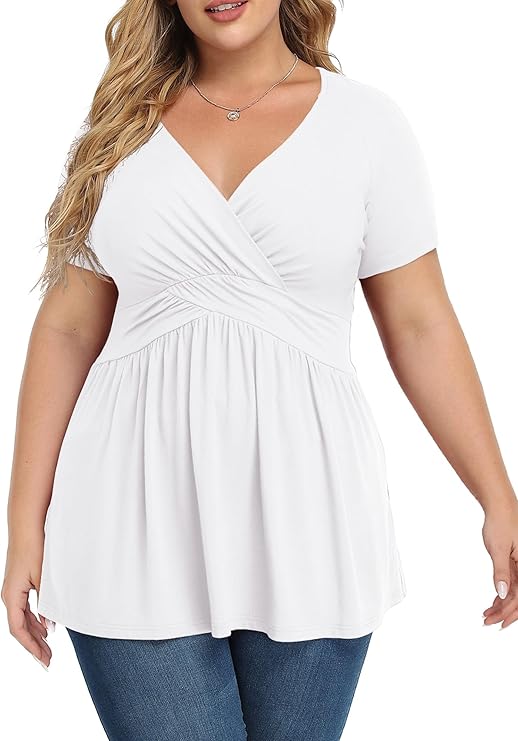
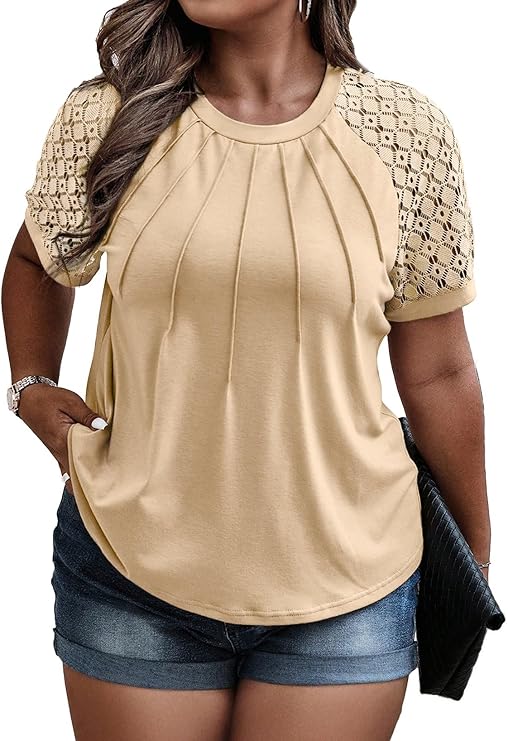


Why does that matter now? Because women looking for comfort, support, and confidence are still paying for an industry problem: inconsistent sizing, weak engineering, and too few truly supportive options.
Why the plus-size bra story changed in 2026
The new angle is commercial, not cosmetic. Researchers found that broader size availability improves how shoppers view a brand, even among people who do not wear extended sizes.
That finding matters for bras more than almost any category. Bras sit at the intersection of engineering, comfort, body image, and repeat purchasing.
When brands treat extended sizes as an afterthought, shoppers notice fast. They feel it in straps that dig, bands that roll, wires that stab, and cups that collapse.
The study described extended sizing as ranges from 00 to 32 or XS to 4XL. It also found customers were willing to pay more when brands looked more inclusive.
- Inclusive sizing raises trust.
- Trust increases purchase intent.
- Purchase intent matters most in fit-sensitive categories like bras.
- Poor fit creates returns, frustration, and brand damage.
| Signal | What the data says | Why bra shoppers care | Practical impact |
|---|---|---|---|
| Study date | Dec. 8, 2025 | Recent evidence | Supports 2026 buying shifts |
| Extended sizing | 00-32 or XS-4XL | Broader fit access | More realistic bra options |
| Consumer reaction | Higher trust | Confidence in the brand | Fewer abandoned carts |
| Purchase behavior | Greater intent to buy | Fit feels worth the price | Better conversion |
| Fashion survey | 687 readers | Poor fit remains a deterrent | Returns and hesitation persist |
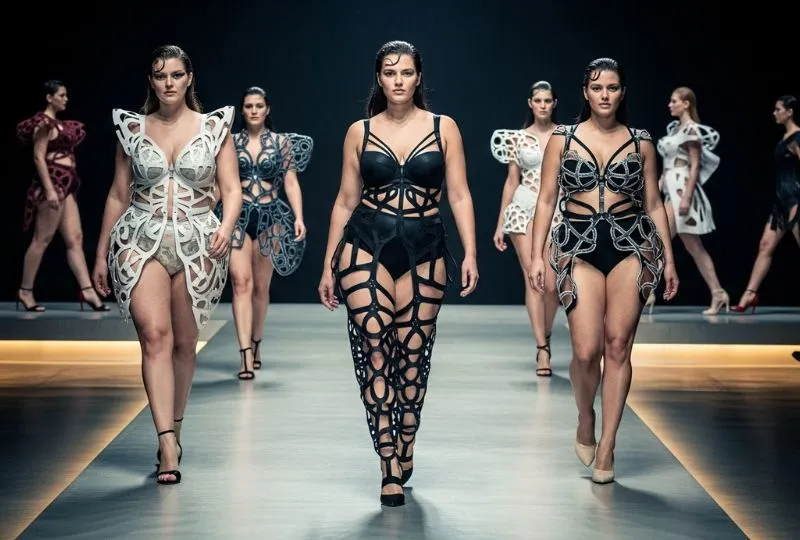
Fit remains the real breaking-news issue
The most revealing industry signal may be that sizing is still stopping people from shopping. That message came through in recent consumer reporting from fashion insiders.
A Spring/Summer 2026 survey of 687 readers found poor fit and inconsistent sizes remain major purchase deterrents. That is exactly the pain point plus-size bra buyers describe.
For bras, inconsistency hurts more because sister sizing only solves part of the problem. Cup depth, wire width, wing height, strap placement, and fabric recovery all change the wearing experience.
So what should shoppers actually check first? Start with the band. A loose band forces straps to overwork. That creates shoulder pain and fake “support.”
How to tell whether a bra really fits
A well-fitting plus-size bra should feel secure on the loosest hook when new. That leaves room to tighten later as elastic relaxes.
The center gore should sit close to the chest in wired styles. If it floats, cup volume or shape may be wrong.
Breast tissue should sit fully inside the cup. Spillage at the top, sides, or underarm usually signals the wrong cup, wire, or cup shape.
- Band should stay level around the body.
- Straps should stabilize, not carry all weight.
- Cups should contain tissue without wrinkling.
- Underwire should surround tissue, not rest on it.
Comfort is not softness alone. Real comfort comes from stable support, smooth pressure distribution, breathable materials, and a shape that matches the body.
The merger that puts pressure on bra brands
Retail strategy is moving, too. Inclusive-apparel specialists are getting bigger, and that raises expectations for every intimate brand selling extended sizes.
Destination XL and FullBeauty Brands said in December 2025 that their merger would create a category-defining inclusive apparel retailer, serving 34 million households and operating 296 stores.
The deal is not about bras alone, but the message is unmistakable. Better fit, broader assortment, and stronger omnichannel access are now business priorities, not niche extras.
That creates a challenge for bra labels. If larger retailers improve fit discovery, filtering, and inventory depth, weak bra offerings will stand out even more.
In plain English, shoppers now expect fewer excuses. They want functional engineering, reliable sizing, and styles that work on Monday morning, not only in polished campaign photos.
What materials and construction matter most
For everyday bras, materials should recover after wear and washing. If fabric stretches out quickly, support disappears.
Look for power mesh wings, firmer bands, wider straps, and cup fabrics that separate comfort from structure. Soft can be good, but unsupported soft often fails fuller busts.
Molded cups work for some outfits, especially under thin tops. Seamed cups often deliver better lift and shape because panels control weight more precisely.
- Choose seamed cups for lift and projection.
- Choose molded cups for smoother outfits.
- Choose wireless styles only if the band is strong.
- Choose sports bras by activity level, not appearance.
Best bra types for body shape and real occasions
No single bra is best for every plus-size body. Shape matters as much as size.
Full-on-top breasts often need taller cups or stretch lace edges. Full-on-bottom shapes may prefer balconette or three-part cups that lift without gaping.
Close-set breasts may need lower gores. Wide-set breasts often benefit from side support panels that bring tissue forward.
For long workdays, a side-support bra or structured wireless bra usually outperforms flimsy bralettes. For events, a balconette or plunge can work if the band stays firm.
For high-impact movement, encapsulation plus compression is the safest bet. A fashion bra cannot replace a real sports bra.
Common buying mistakes that still cost shoppers money
The biggest mistake is buying for the label instead of the fit. Bra sizes vary sharply across brands, and extended sizes vary even more.
Another mistake is prioritizing strap width over band strength. Wider straps help comfort, but they cannot rescue a weak foundation.
Many shoppers also keep a bra that almost fits because it feels emotionally easier than starting over. That usually leads to pain and drawer clutter.
- Do not size up the band to gain comfort.
- Do not ignore side spillage.
- Do not judge fit only while standing still.
- Do not assume wireless means more comfort.
The clearest takeaway from 2026 is simple: the best plus size bra story is now about accountability. Brands that solve fit, comfort, and confidence together are likely to win.
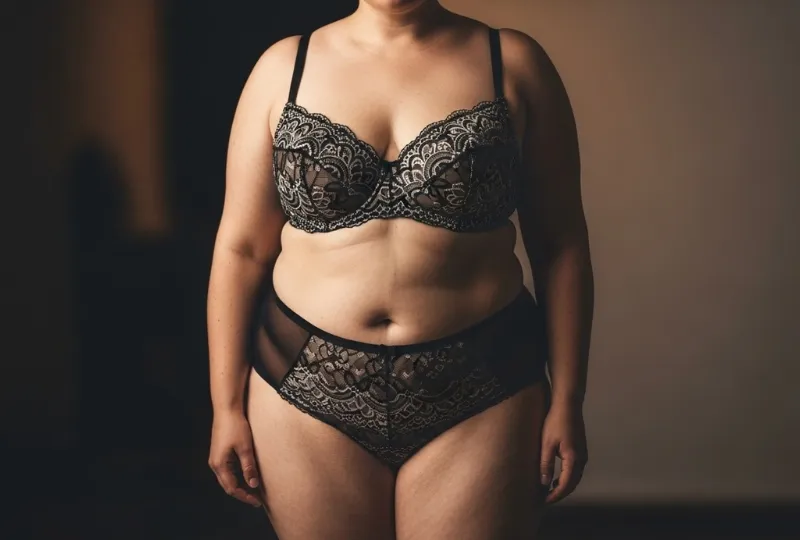
What People Want to Know About the Best Plus Size Bra in 2026
The biggest shift this year is that fit problems are being treated as a measurable business issue, not a personal shopper failure. These questions matter now because sizing, support, and comfort remain central to real buying decisions.
What makes a plus-size bra supportive without feeling painful?
A supportive plus-size bra relies first on a firm band, stable cup construction, and balanced strap tension. Pain usually means the support is coming from the wrong place, especially the shoulders or underwire.
How often should I recheck my bra size?
You should recheck it whenever your weight, hormones, medication, or activity level changes, and at least every six to twelve months. Bra fit can shift even when your clothing size looks unchanged.
Are wireless bras actually good for fuller busts?
Yes, some are, but only when the band, side panels, and cup structure are strong enough. A soft wireless bra with weak materials may feel pleasant briefly but often fails over a full day.
Which bra style is best for everyday wear?
For most people, a side-support bra, three-part cup bra, or well-engineered structured wireless bra works best. The right answer depends on breast shape, outfit needs, and how many hours you will wear it.
Why do plus-size bra shoppers still struggle even when brands say they are inclusive?
Because inclusion is not just about adding sizes to a label. Real inclusion means consistent grading, stronger materials, better shape engineering, and reliable stock across the full range.
Editorial Notice
This content was structured with the assistance of Artificial Intelligence and submitted to rigorous curation, fact-checking, and final review by the editor-in-chief Isabelle. Curves In Lace reaffirms its commitment to journalistic ethics, ensuring that editorial judgment and the validation of information remain entirely under human responsibility, under the editor’s authority.
Transparency: Editorial Policy | AI Usage Policy | Corrections Policy | Contact