
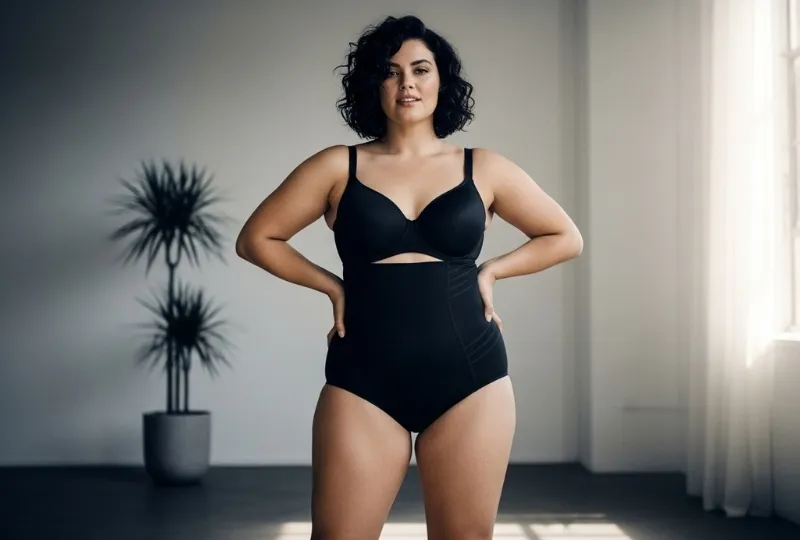
Plus-size bra shopping in 2026 is being shaped less by trend lists and more by one urgent question: what actually works for comfort, support, and daily wear? The strongest recent signals point to fit-first engineering, not fashion hype.
That shift matters because many shoppers still buy bras that look promising online but fail after a full day of sitting, commuting, lifting, and moving. The best options now focus on structure, fabric performance, and realistic support.
💕 Plus Size Fashion Questions? Ask Isabella!
Style, outfits, looks, combinations, fashion tips... quick & caring answers.
💕 Top Plus Size Fashion Picks
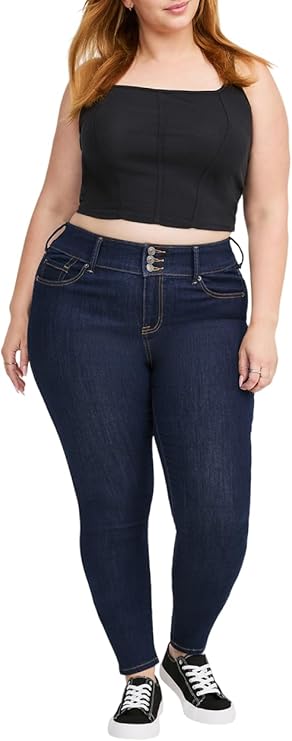
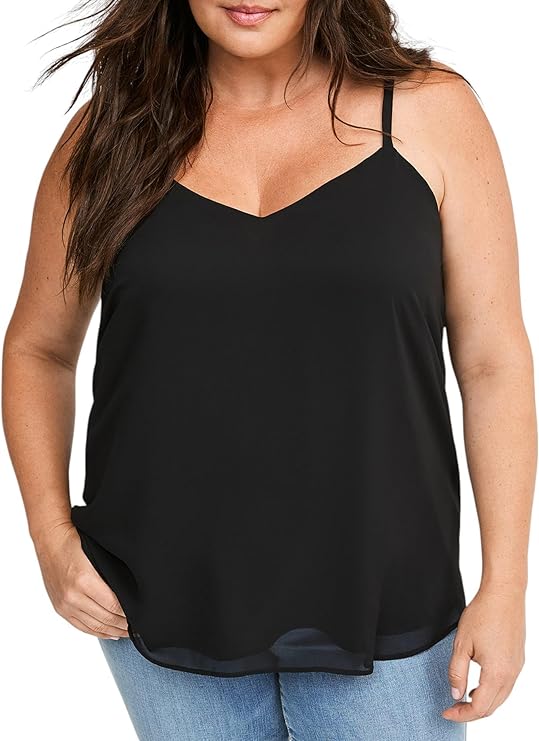
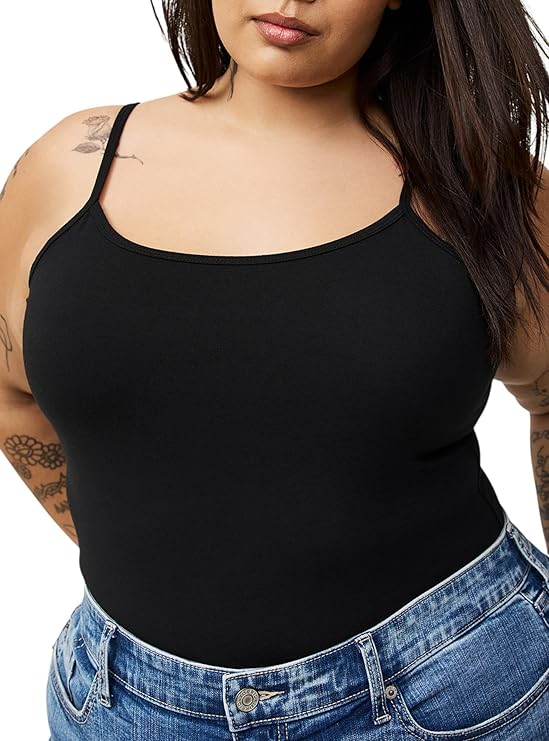
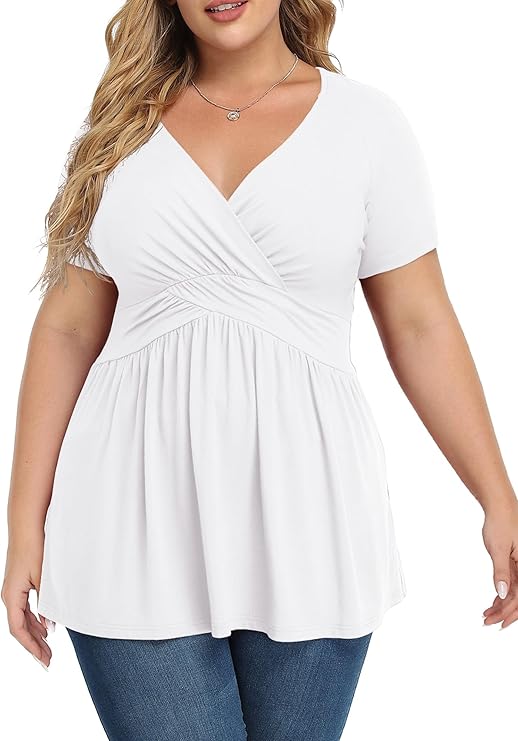
Handpicked products that fit and flatter curves


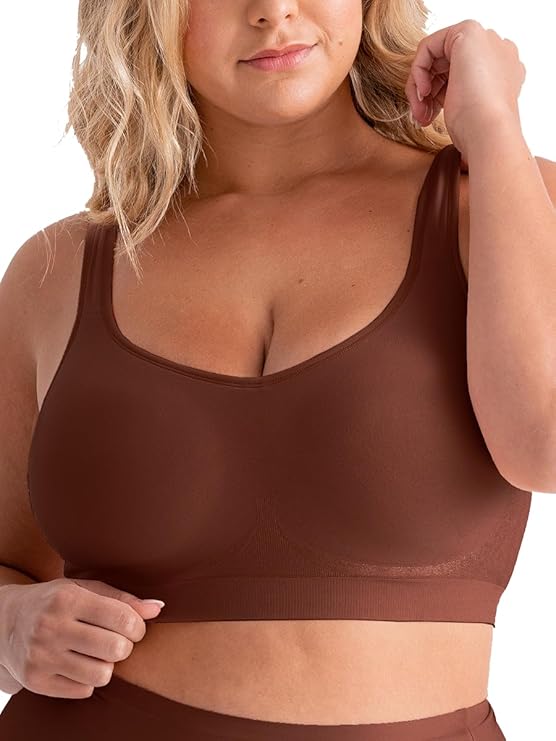

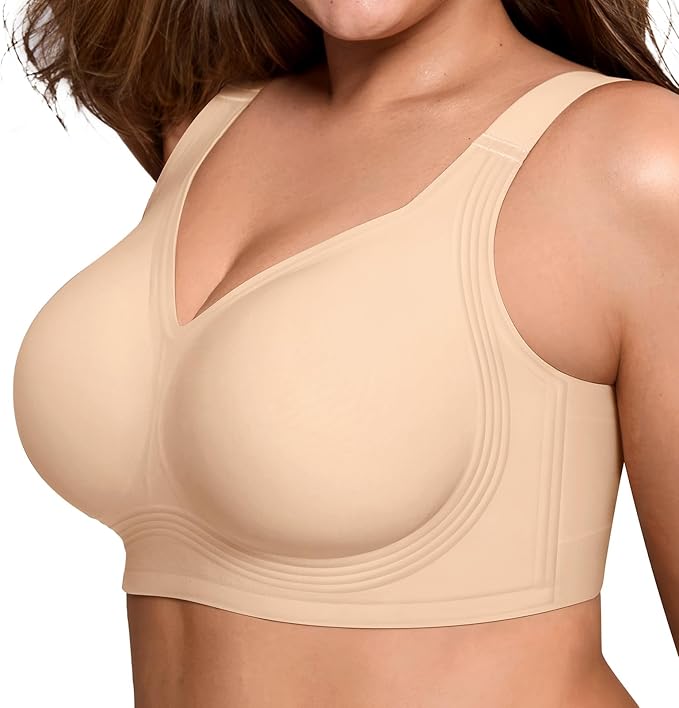


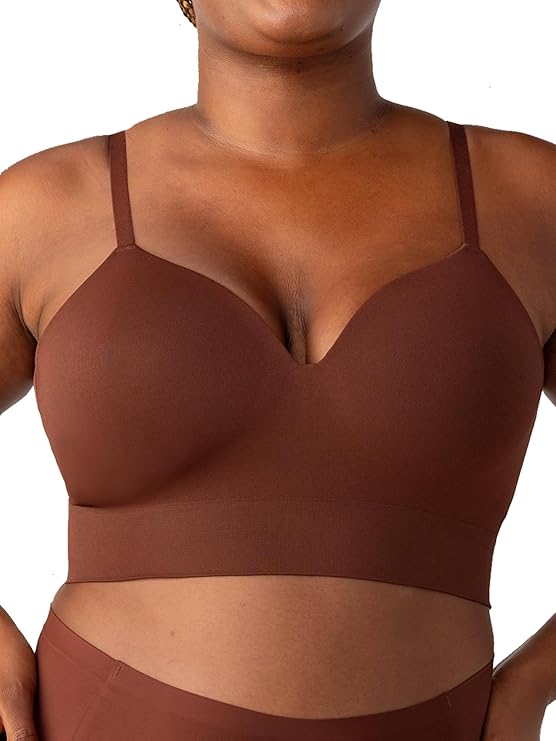


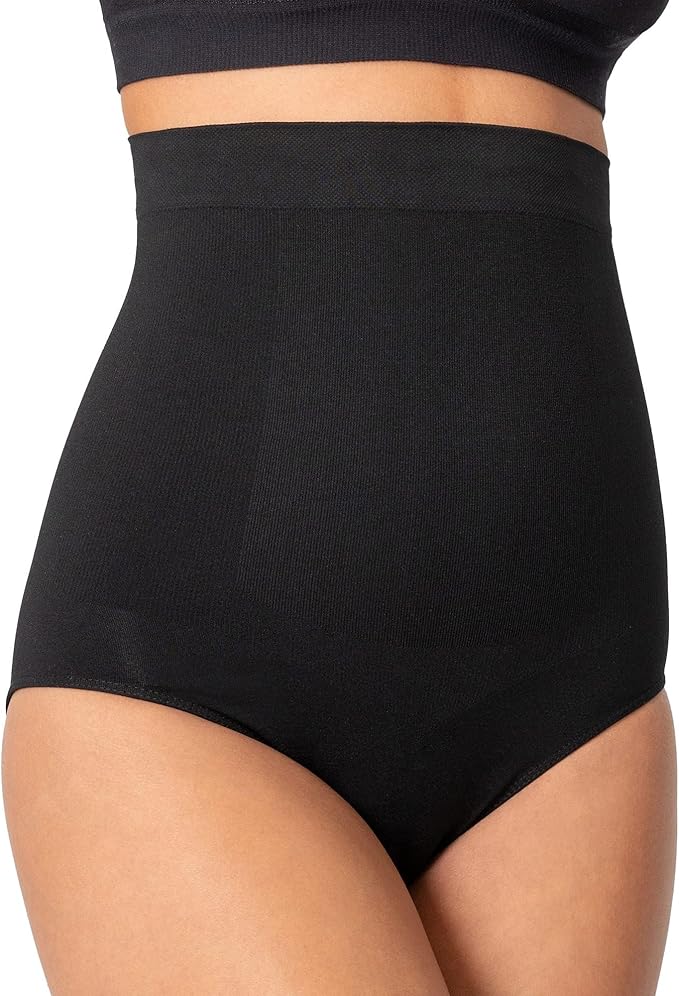


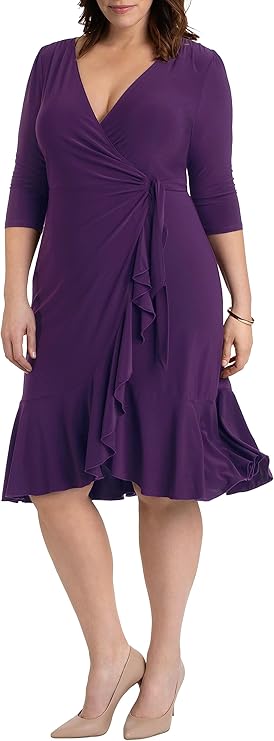
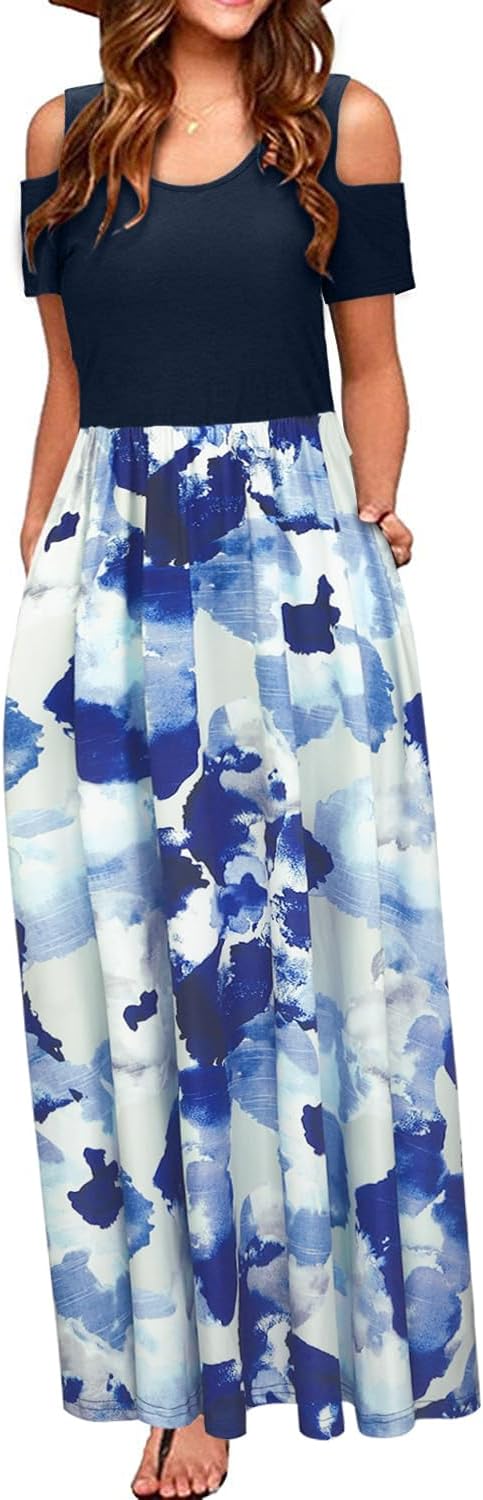




Recent coverage and spring retail campaigns also show a second change: brands are talking more openly about professional fittings, wire-free support, and broader size access. That reflects how everyday needs are finally driving the category.
Why the plus-size bra conversation changed in 2026
The market is moving away from generic “bigger bras” and toward models engineered specifically for fuller bodies. That means wider bands, deeper cups, stronger closures, and side panels that do real work.
A recent bra-fitting guide reported that 67% of plus-size women say their current bra does not fit correctly. That single number explains why comfort remains the top concern.
The implication is simple. Many people are not failing to “find the right bra.” They are being sold the wrong construction for their body, activity level, and clothing needs.
Support also comes from design choices that are easy to overlook. A firm band, stable center gore, wider straps, and multi-part cups often matter more than decorative details.
- Comfort depends on pressure distribution, not just softness.
- Support starts in the band, not the straps.
- Fit problems usually show up after several hours, not in the fitting room.
- Different outfits require different bra architectures.
| Feature | Why it matters | Best for | Common risk |
|---|---|---|---|
| Wide band | Anchors weight around torso | Everyday support | Rolling if too loose |
| Multi-part cup | Improves shaping and lift | Fuller busts | Wrinkling if cup is wrong |
| Wire-free support panel | Reduces pressure points | Long wear days | Less lift in weak designs |
| Moisture-managing fabric | Helps with heat and friction | Warm weather | Stretch loss over time |
| Convertible straps | Adds outfit flexibility | Occasion wear | Less stability if too thin |
Comfort starts with fit, not with the label
The biggest mistake is buying by old habit. Many people repeat the same size for years even when weight, hormones, posture, or breast shape have changed.
That is why current brand messaging is leaning hard into fittings. Wacoal said its spring program will include more than 360 bra-fitting events nationwide in Spring 2026, tying fit directly to breast-health awareness.
That campaign is also a reminder that a proper fitting is not a luxury service. For many shoppers, it is the fastest route to less shoulder pain, less digging, and fewer wasted purchases.
A good fit usually looks boring at first glance. The band sits level, the cups hold tissue fully, the center lies flat when appropriate, and the straps stabilize without carrying the whole load.
Signs your bra may be the wrong fit
- The back band rides upward during the day.
- Straps leave deep grooves on the shoulders.
- Breast tissue spills over the cup edge or sides.
- You keep readjusting after sitting or walking.
- Underwire pokes, twists, or lifts away from the body.
Body confidence often improves fastest when discomfort disappears. That sounds obvious, but it changes how clothes fit, how posture feels, and how much mental energy daily dressing requires.
Materials and bra types now matter more than ever
Soft fabric alone does not guarantee comfort. In fact, overly stretchy material can create bounce, instability, and heat buildup by midday.
The better approach is balanced fabric. Recent testing highlighted models using polyamide and elastane blends, along with wide straps and smoothing backs, to combine flexibility with structure.
A March 2026 review of large-bust bras found that wire-free designs can still deliver impressive support with wide straps and high-coverage construction. That expands the comfort options beyond traditional underwire.
For everyday wear, the best material choice depends on friction, sweat, and sensory tolerance. Some people need seamless finishes. Others need firmer fabric that stops movement.
- Choose underwire when you want more lift, separation, and shape under workwear.
- Choose structured wireless styles for long desk days, travel, or sensory comfort.
- Choose sports bras with encapsulation when movement control matters most.
- Choose plunge or balconette shapes only when the outfit demands them.
Best bra types for different needs
Full-cup bras tend to work best for all-day support because they contain tissue better and reduce spillover. They are often the safest first buy.
Wireless support bras suit people who hate poking wires, but they still need strong inner construction. A weak wireless bra is usually worse than a well-fitted wired one.
Plunge bras can work for lower necklines, though they rarely deliver the same stability as full-cup models. They are occasion tools, not always the daily answer.
For hot climates or long commutes, breathable linings and smoother seams can matter as much as cup shape. Comfort is cumulative. Small irritations add up.
Common mistakes that still waste money
The first mistake is prioritizing appearance over engineering. Lace, color, and trend appeal are fine, but they should come after band security and cup structure.
The second mistake is assuming one bra should do everything. Most people need at least an everyday bra, an outfit-specific bra, and a movement-friendly option.
The third mistake is treating discomfort as normal. Digging straps, side spillage, and chest heaviness are signs to reassess fit, not reasons to “break it in” forever.
Another frequent error is ignoring body shape. Full-on-top, full-on-bottom, wide-set, projected, or shallow shapes can all need different cup cuts even at the same nominal size.
- Do not buy a looser band just to feel immediate softness.
- Do not overtighten straps to fix cup problems.
- Do not judge fit while standing still for one minute.
- Do not skip trying bras under the clothes you actually wear.
The strongest products in this category are not magic. They simply align support design with real life. That is why the smartest 2026 advice is less about “best bra” rankings and more about matching structure to your body.
For plus-size shoppers, that shift is practical and personal. Better fit means less pain, fewer returns, more confidence, and bras that work on ordinary Tuesdays, not just in product photos.
What People Want to Know About the Best Plus Size Bra in 2026
Shoppers are asking sharper questions about plus-size bras because comfort and support now matter more than trend marketing. These answers focus on fit, materials, and the everyday issues driving bra choices right now.
What makes a plus-size bra actually supportive?
A supportive plus-size bra relies first on a firm band, stable cups, and weight distribution across the torso. Wide straps help, but they cannot compensate for a weak band or shallow cups.
Is wireless really good enough for a fuller bust?
Yes, some wireless bras now offer strong support when they use reinforced inner panels, wider wings, and high-coverage construction. They work best for daily comfort, though some people still prefer underwire for maximum lift.
How often should I recheck my bra size?
You should reassess size whenever your body changes or when bras start riding up, digging, or shifting. For many people, checking every six to twelve months is a practical routine.
Which bra type is best for everyday wear?
A full-cup or structured wireless bra is usually the safest everyday choice. Both tend to offer better containment, smoother support, and less need for readjustment during long days.
Why do straps keep hurting my shoulders?
Strap pain usually means the band is not doing enough of the support work. When the band is too loose or the cups are wrong, the straps overcompensate and create pressure.
Editorial Notice
This content was structured with the assistance of Artificial Intelligence and submitted to rigorous curation, fact-checking, and final review by the editor-in-chief Isabelle. Curves In Lace reaffirms its commitment to journalistic ethics, ensuring that editorial judgment and the validation of information remain entirely under human responsibility, under the editor’s authority.
Transparency: Editorial Policy | AI Usage Policy | Corrections Policy | Contact