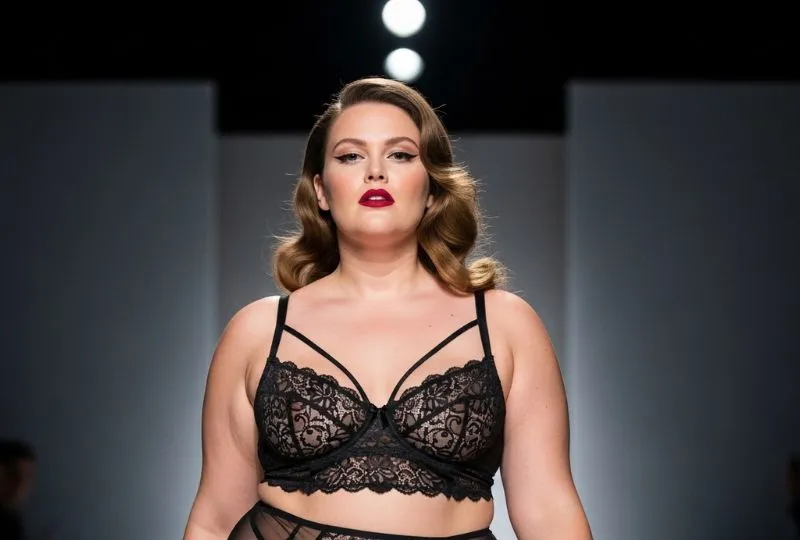
Finding the best plus size bra in 2026 is less about hype and more about solving daily problems. Comfort, lift, skin protection, and stable support matter far more than a trendy label.
That matters now because fit experts and health guidance keep repeating the same warning: many women still wear the wrong size, which can worsen pain, digging straps, and poor posture.
💕 Plus Size Fashion Questions? Ask Isabella!
Style, outfits, looks, combinations, fashion tips... quick & caring answers.
💕 Top Plus Size Fashion Picks
Handpicked products that fit and flatter curves


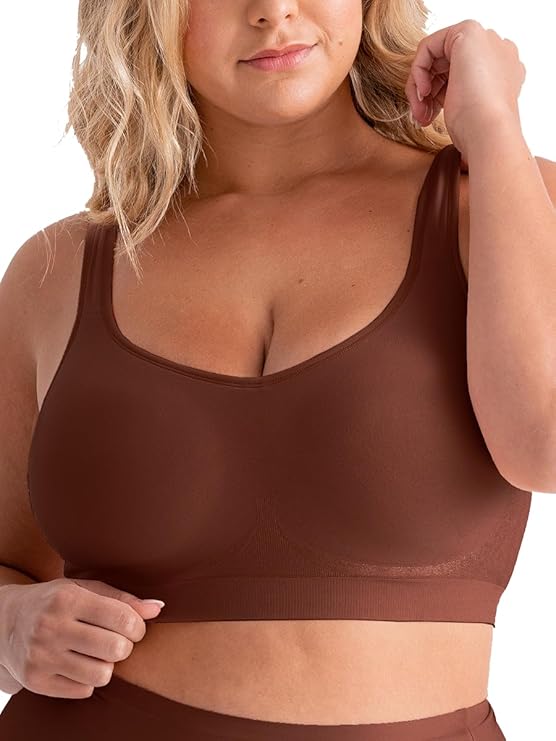

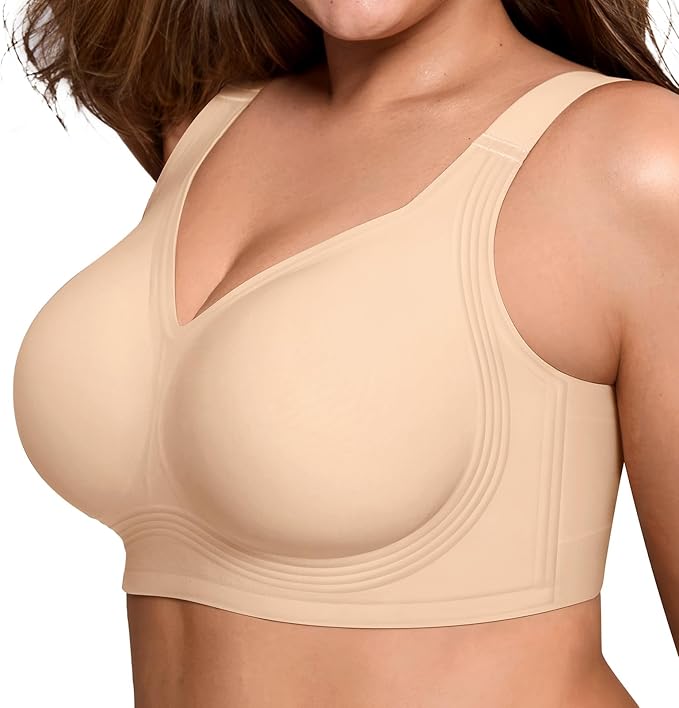


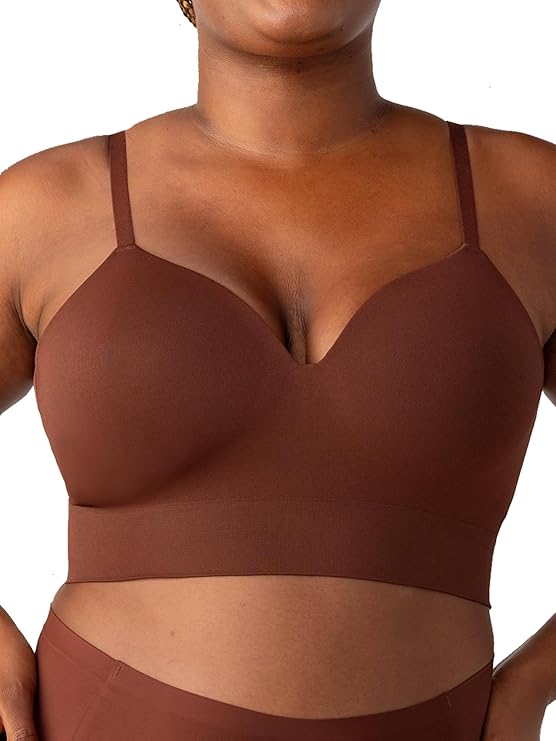


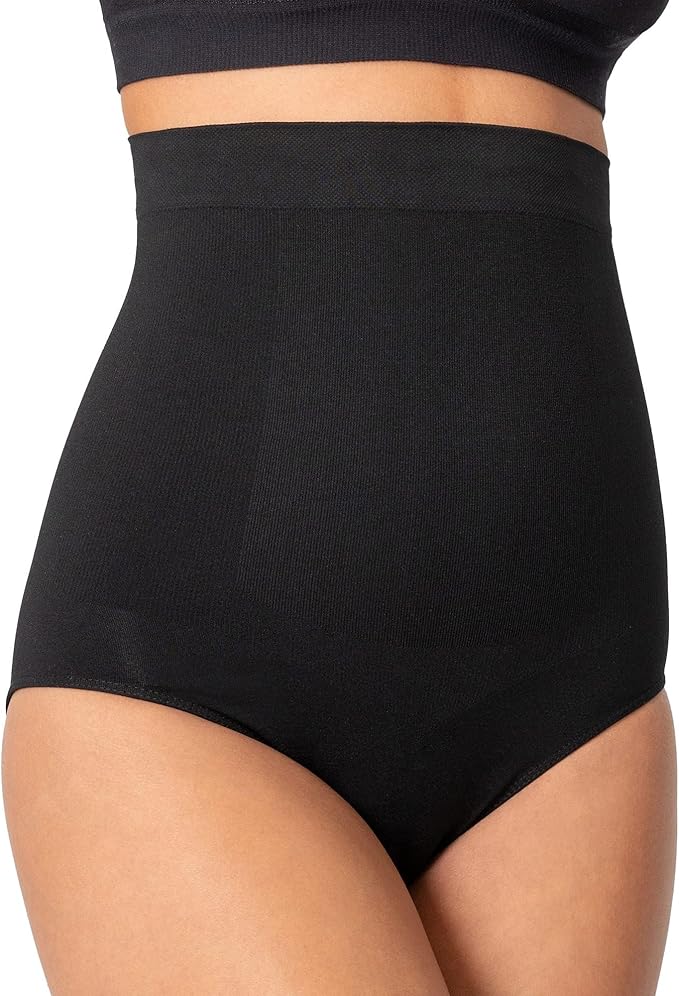


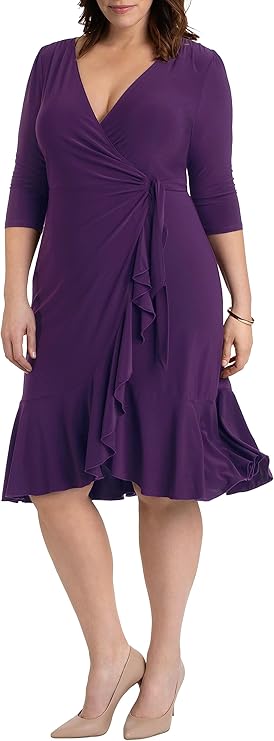




Recent NHS patient guidance says up to 70% of women wear a bra that does not fit correctly, a striking reminder that sizing mistakes remain common.
- Why the best plus size bra is really a fit story
- Comfort and support: what actually changes the experience
- Common mistakes that stop a bra from feeling good
- How to choose the right model for body shape and occasion
- What shoppers should do before buying their next plus size bra
- What People Want to Know About the Best Plus Size Bra in 2026
Why the best plus size bra is really a fit story
Plus size shoppers usually need several things at once. They want separation, lift, wider straps, soft fabrics, and a band that anchors without rolling or pinching.
That combination is harder to find because bra fit is not just about cup volume. Band tension, wire shape, side support, and fabric recovery all change the experience.
A bra can look right on the hanger and still fail by midday. The real test is how it behaves during commuting, desk work, walking, stairs, and long hours.
Support also affects movement. Poor support may increase bounce, shoulder pressure, and under-bust irritation, especially in fuller bust sizes with heavier tissue distribution.
- A stable band usually provides most of the support.
- Straps should assist, not carry all the weight.
- Cups should fully contain tissue without spillage or empty space.
- The center front should sit close when the design allows.
| Fit area | What good looks like | Common problem | Daily impact |
|---|---|---|---|
| Band | Level and firm | Rides up | Less lift, more strain |
| Cups | Smooth containment | Spillage or gaping | Rubbing, visible lines |
| Straps | Secure, comfortable | Digging | Shoulder pain |
| Underwire | Encases tissue | Sits on breast | Pain and redness |
| Fabric | Soft, breathable | Rough or stiff | Sweat and chafing |
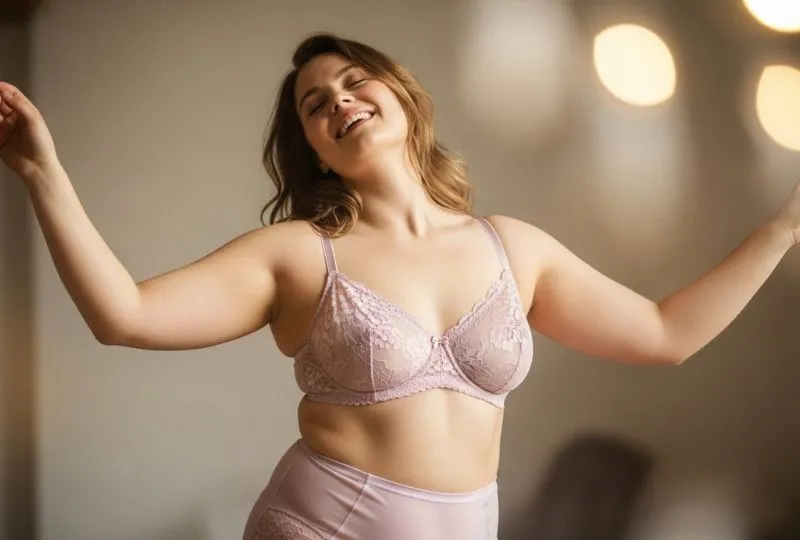
Comfort and support: what actually changes the experience
The best plus size bra usually starts with the band. If the back climbs upward, the band is too loose and the front support drops fast.
Straps matter, but not in the way many shoppers think. Wider, cushioned straps help distribute pressure, yet they cannot fix a weak band.
Materials are becoming more important in 2026 buying decisions. Shoppers increasingly want soft linings, smoother seams, and fabrics that reduce moisture buildup under the bust.
For active days, support must control motion without making breathing feel restricted. Research indexed by PubMed found correctly fitted sports bras did not impose a physiological burden on breathing during exercise, even when wearers reported some chest tightness.
That finding matters for fuller-bust consumers who often avoid higher-support styles because they fear compression. Fit and construction appear more important than marketing terms alone.
Materials worth prioritizing
Fabric choice changes comfort hour by hour. A supportive bra can still feel miserable if it traps heat, scratches the skin, or loses shape by afternoon.
- Microfiber blends can feel smoother under clothing.
- Power mesh panels often improve side support.
- Cotton-rich linings may help sensitive skin.
- Stretch lace works best when reinforced, not left unsupported.
Seams also deserve attention. Flat, well-placed seams can reduce friction under the arms and along the inframammary fold, where sweat and rubbing often build first.
Common mistakes that stop a bra from feeling good
Many shoppers size up the band to gain comfort. That often backfires because the bra loses lift, shifts more, and pushes weight onto the shoulders.
Another mistake is buying cups based only on one brand history. Bra sizing varies by model, wire width, fabric stretch, and cup scaling.
Some people reject underwire entirely after one bad experience. Yet the real issue may be wire shape, not the existence of wire itself.
NHS breast pain advice repeatedly links better support with symptom relief, noting that a properly fitted bra should support you without cutting into the chest or shoulders.
- Do the backward-band check. If the back rises, try a firmer band.
- Scoop all tissue into the cup before judging fit.
- Raise your arms and walk around for two minutes.
- Check for side spill, center digging, and strap pressure.
- Reassess after washing, because stretch changes.
One more overlooked issue is wearing the same style for every situation. A balcony bra, a high-impact sports bra, and a lounge bra solve different problems.
How to choose the right model for body shape and occasion
Fuller top tissue often benefits from stretch-upper cups or balconette styles with firm lower support. These can contain volume without cutting across the bust.
Fuller-bottom shapes may prefer plunge or side-support bras that lift tissue upward and inward. The key is preventing empty space at the top edge.
Wide-set breasts often do well with side panels and a stable center. Close-set breasts may need a lower center front or softer tacking area.
For long workdays, many shoppers want separation and posture-friendly support. For evenings, smoother cup edges and lighter fabrics may matter more than maximum structure.
Practical matching by need
- T-shirt days: molded or smooth-seam cups.
- Hot weather: breathable linings and reduced bulk.
- Office wear: side support and firm bands.
- Travel: wire-free support with broad under-bust elastics.
- Exercise: encapsulation or hybrid sports support.
Body confidence also plays a real role. The best bra is not just the most engineered one; it is the one that lets you stop thinking about your chest all day.
That freedom matters. When a bra fits well, clothes sit better, movement feels easier, and the usual cycle of adjusting straps and pulling bands down fades.
What shoppers should do before buying their next plus size bra
Start with measurements, but do not stop there. Sizing is only a starting point, especially across brands that scale fuller cups very differently.
Buy with return flexibility if possible. Try bras later in the day too, because swelling, heat, and fatigue can change how a bra feels.
Wash gently and rotate pairs. Elastic recovery is part of support, so over-wearing one favorite bra can shorten its useful life quickly.
The strongest takeaway from recent guidance is simple: pain, slipping straps, and constant adjusting are not normal. They are often signs that fit, structure, or fabric is wrong.
In other words, the best plus size bra in 2026 is not one universal model. It is the right combination of support, breathable materials, thoughtful scaling, and honest everyday fit.
What People Want to Know About the Best Plus Size Bra in 2026
The search for a better plus size bra is becoming more practical in 2026. Shoppers are focusing less on hype and more on comfort, support, fit accuracy, and fabrics that work in real daily life.
How do I know if my plus size bra band is too loose?
If the back rides up, the band is likely too loose. A supportive band should stay level and do most of the lifting without forcing the straps to carry the weight.
Are underwire bras always bad for plus size comfort?
No, a good underwire can be comfortable when it fully encases breast tissue. Pain usually comes from the wrong wire shape or size, not from underwire alone.
What bra type is best for everyday work and errands?
A side-support or full-cup bra is often the safest everyday choice. It usually offers stable lift, better containment, and less need for readjustment across long hours.
Which materials feel better for fuller bust sizes?
Soft microfiber, power mesh support panels, and cotton-rich linings are often strong options. They can improve breathability, reduce friction, and make heavier support feel less harsh.
Should I use the same plus size bra for exercise and daily wear?
No, different activities need different engineering. Daily bras focus on shaping and all-day comfort, while sports bras are built to control motion more effectively.
Editorial Notice
This content was structured with the assistance of Artificial Intelligence and submitted to rigorous curation, fact-checking, and final review by the editor-in-chief Isabelle. Curves In Lace reaffirms its commitment to journalistic ethics, ensuring that editorial judgment and the validation of information remain entirely under human responsibility, under the editor’s authority.
Transparency: Editorial Policy | AI Usage Policy | Corrections Policy | Contact