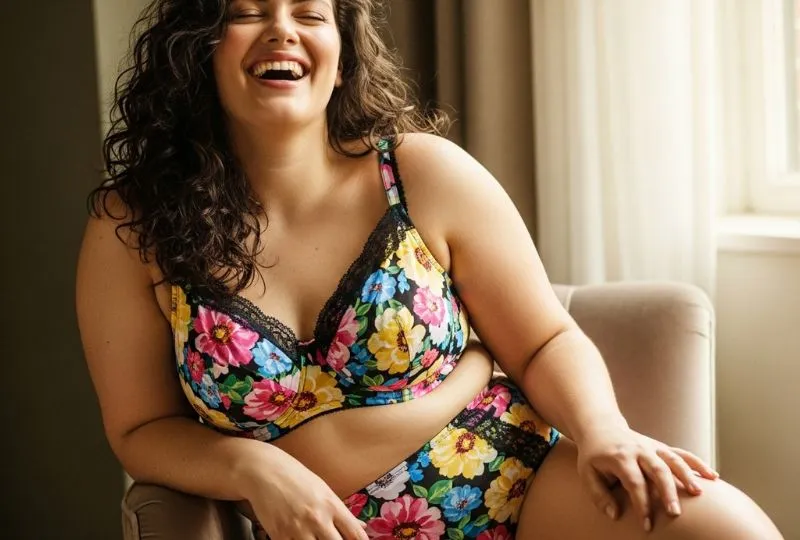
Lane Bryant’s Cacique launch on April 16, 2026, puts everyday fit problems at the center of the plus-size bra conversation. Instead of chasing trends, the retailer is leaning into comfort, support, and clearer sizing guidance.
That matters because many shoppers still buy bras based on guesswork. The result is familiar: digging straps, floating bands, cup spillage, and a fit that feels wrong by lunchtime.
💕 Plus Size Fashion Questions? Ask Isabella!
Style, outfits, looks, combinations, fashion tips... quick & caring answers.
💕 Top Plus Size Fashion Picks
Handpicked products that fit and flatter curves


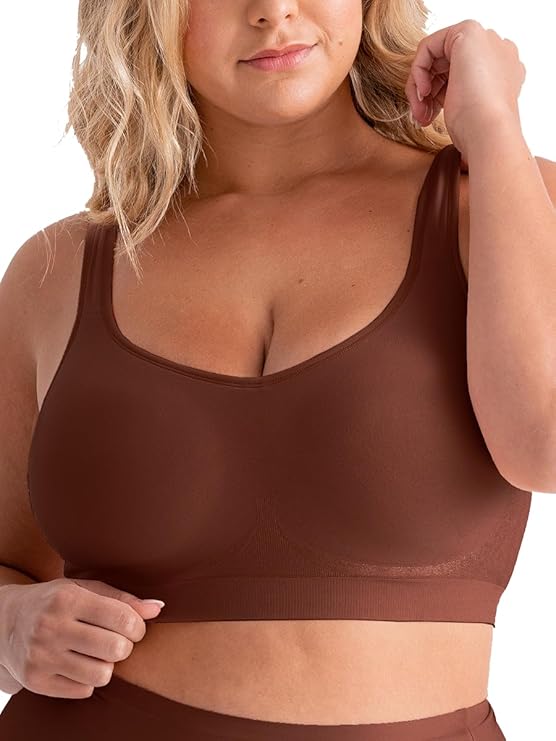

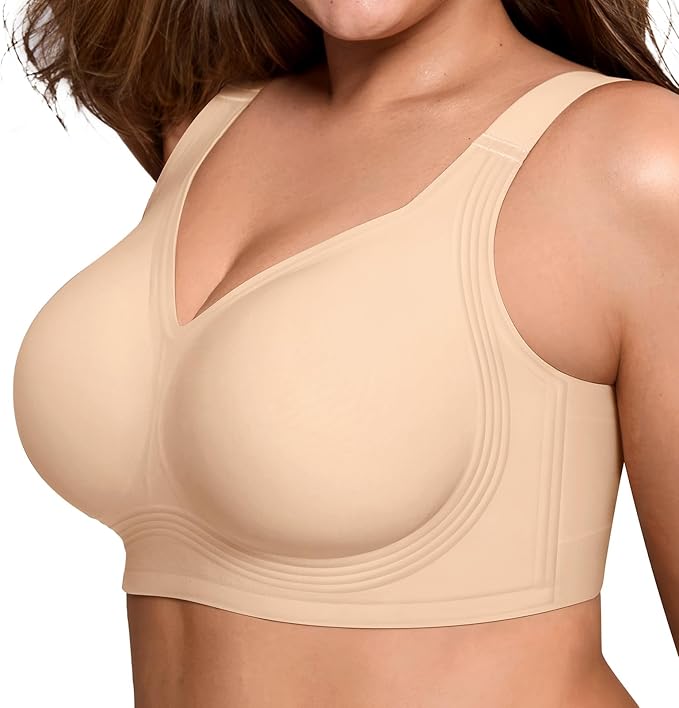


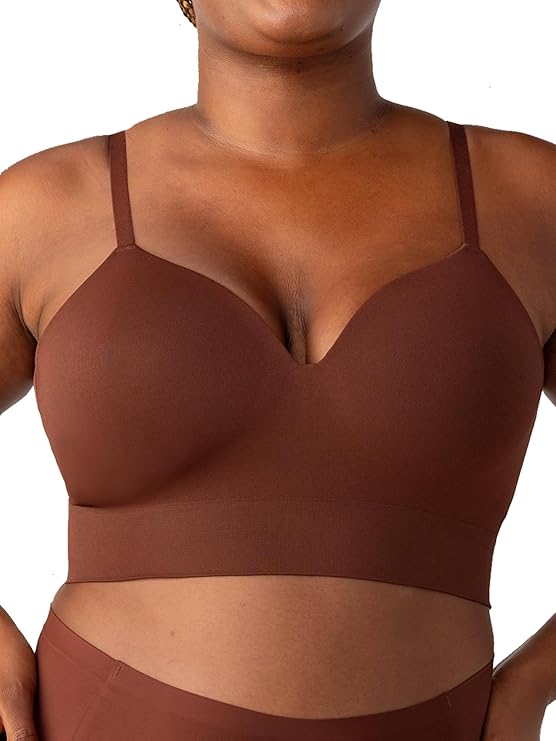


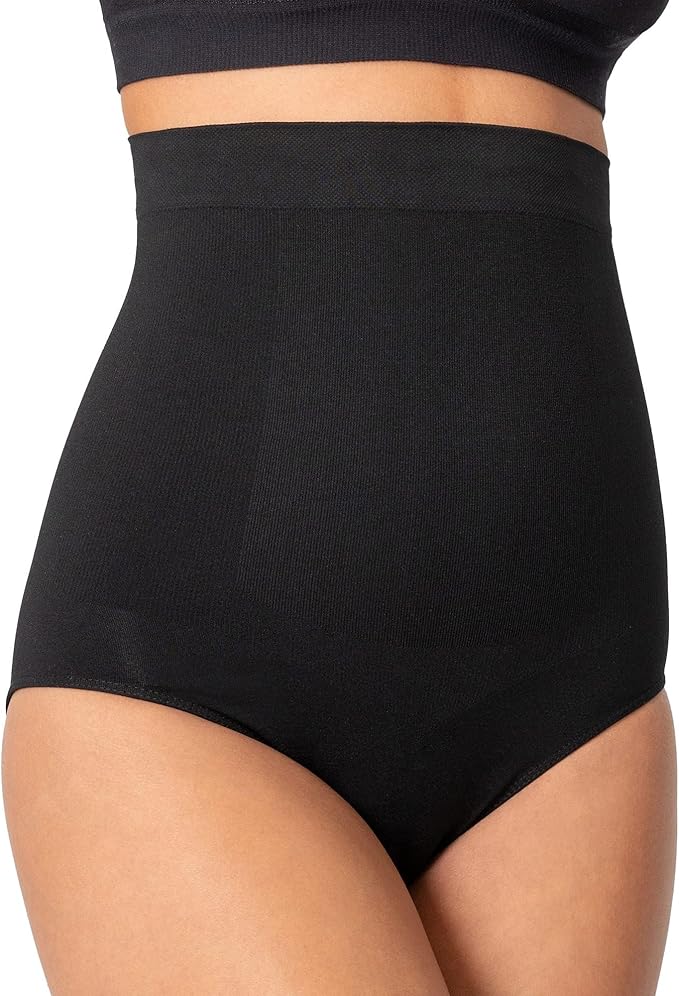


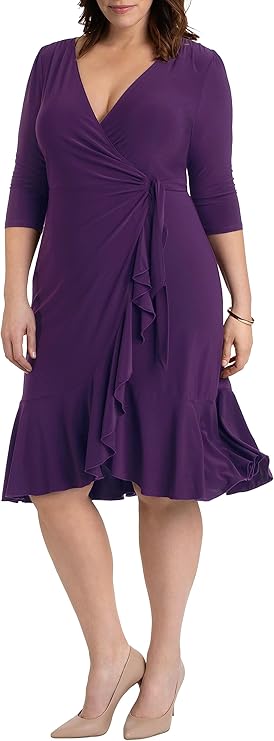




Retailers across the intimates market are responding to that frustration. Recent coverage shows brands are pushing softer materials, broader size access, and fit tools as shoppers prioritize wearability over novelty.
- Why comfort is driving the 2026 plus-size bra market
- What the latest product push means for real shoppers
- How to choose the best plus-size bra without wasting money
- Best bra types for body shape and everyday use
- Body confidence is shaping the category as much as fit
- What People Want to Know About the 2026 Best Plus Size Bra Shift
Why comfort is driving the 2026 plus-size bra market
Comfort is no longer a soft selling point. It is now the main buying trigger for many full-bust and plus-size shoppers looking for all-day support.
Lane Bryant said its newest Cacique push focuses on wearable support and size breadth, including options designed around fuller cups and larger bands.
That timing fits a wider shift. Retail reporting has highlighted how intimates brands are betting on fewer painful seams, better stretch recovery, and smoother fabrics in 2026.
| Fit issue | What it usually means | Better solution | Why it helps |
|---|---|---|---|
| Band rides up | Band is too loose | Go down a band size | Improves lift |
| Straps dig in | Band gives too little support | Firmer band, wider straps | Reduces shoulder pain |
| Spillage at top | Cup is too small | Try a larger cup | Creates smoother shape |
| Center does not lie flat | Cup depth is wrong | Different cup style | Improves separation |
| Underwire pokes | Wire shape mismatches breast root | Side-support or wireless model | Adds comfort |
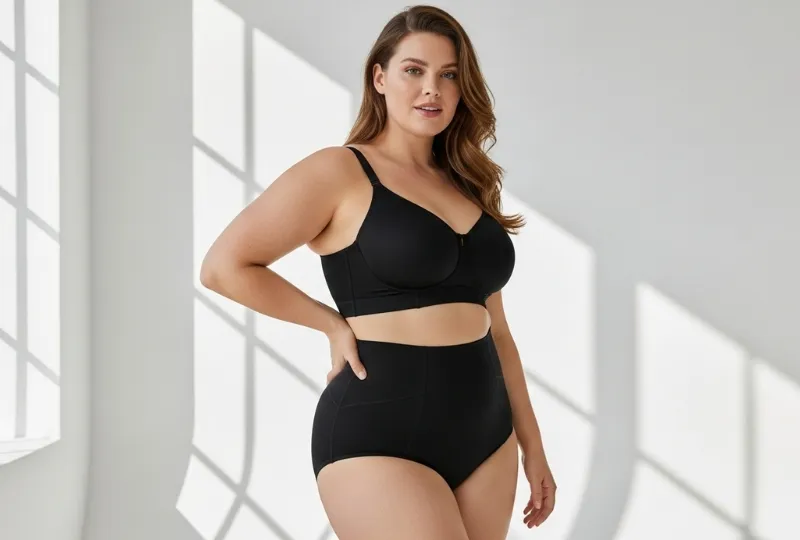
What the latest product push means for real shoppers
The practical message is simple: a good plus-size bra should solve daily problems first. It should stabilize weight, reduce pressure points, and feel dependable after hours of wear.
That is why newer collections are emphasizing features like brushed fabrics, wider backs, reinforced side panels, and cup engineering that distributes weight more evenly.
Reuters recently reported that retailers are adapting to more selective consumer spending, which raises the stakes for basics people expect to wear repeatedly.
For bra shoppers, that means poor fit is harder to justify. If one bra must work harder inside a tighter budget, comfort becomes a measurable value, not a vague preference.
- Look for a firm band before focusing on straps.
- Choose wider straps if shoulder pressure is common.
- Prefer breathable linings for long commutes or warm weather.
- Check side support if tissue shifts outward during the day.
How to choose the best plus-size bra without wasting money
Start with the band. Most support should come from it, not from the straps. If the back climbs upward, the band is likely too loose.
Next, watch the cup edge. If breast tissue spills over or wrinkles appear, the cup shape or volume is off, even when the labeled size seems familiar.
Materials also matter more than many shoppers expect. Stretch lace can forgive minor shape differences, while rigid molded cups may feel cleaner under clothing but fit fewer breast shapes well.
AP’s recent retail coverage noted that brands are leaning on essentials and repeat-purchase categories as shoppers favor function over impulse buys.
- Measure when your current bras feel unreliable.
- Try one size variation, not just one style variation.
- Move around in the fitting room for several minutes.
- Test under a T-shirt and a more structured top.
- Keep only the bra that still feels right after motion.
Common mistakes that still trap shoppers
The biggest mistake is staying loyal to an old size. Weight changes, hormonal changes, and fabric fatigue can all alter fit.
The second mistake is overvaluing cup letters without band context. A larger cup on one band is not identical to the same cup letter on another band.
The third mistake is assuming underwire is always the enemy. For many fuller busts, a well-shaped wire actually reduces strain by improving lift and separation.
Best bra types for body shape and everyday use
Different shapes need different engineering. Full-on-top breasts often need taller cups or stretch lace. Bottom-full shapes may prefer balconette or seamed cups that lift from below.
Wide-set breasts often benefit from side-support panels that guide tissue inward. Close-set shapes may prefer a lower center gore if standard center panels feel intrusive.
For workdays, a smoothing T-shirt bra can help under knits. For long hours at home, a supportive wireless bra may feel less rigid while still controlling bounce.
For high-movement days, the answer is not a fashion bra pretending to be sporty. It is a true encapsulation or compression sports bra built for fuller sizes.
- T-shirt bra: best for smooth outfits and office wear.
- Balconette: useful for lift on bottom-full shapes.
- Full-coverage bra: ideal for containment and side support.
- Wireless support bra: good for home, travel, and recovery days.
- Sports bra: essential for movement, stairs, and workouts.
Body confidence is shaping the category as much as fit
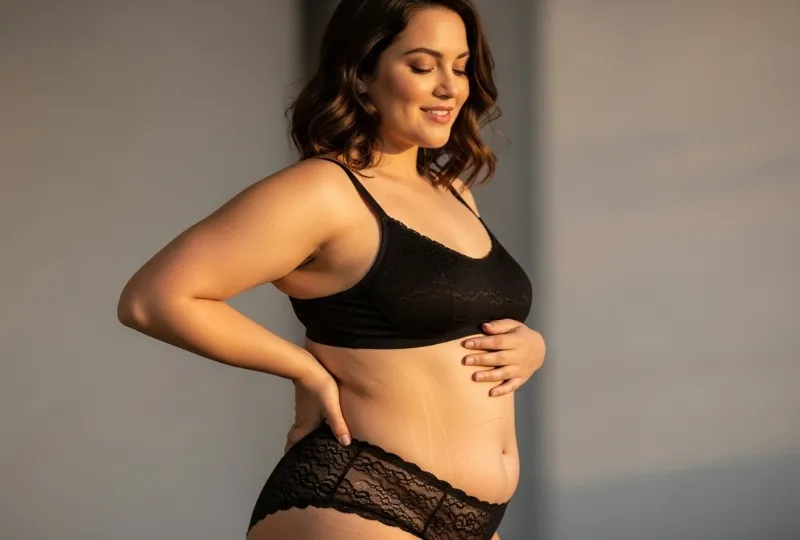
There is also a cultural shift behind the product decisions. Plus-size shoppers increasingly expect bras to fit their bodies instead of forcing their bodies to fit outdated design rules.
That expectation changes how brands talk, size, and build. It also changes what counts as a premium feature. Softness, adjustability, and dignity now matter as much as appearance.
BBC reporting on consumer culture has shown how comfort-led design is influencing buying decisions across apparel categories, not just intimates.
The bigger lesson is clear. The best plus-size bra in 2026 is not the flashiest model. It is the one that supports your body quietly, consistently, and without punishment.
That is why today’s news angle matters. The market is moving away from generic “best bra” hype and toward problem-solving products that respect real bodies and real routines.
What People Want to Know About the 2026 Best Plus Size Bra Shift
The current plus-size bra conversation is being shaped by comfort-first launches, tighter consumer budgets, and stronger demand for practical fit. These are the questions shoppers are asking right now as brands reposition around support and everyday wear.
What actually makes a plus-size bra supportive?
A supportive plus-size bra relies mainly on the band, cup structure, and side support. Wide straps help, but they cannot fix a loose band or the wrong cup shape.
How do I know if my band size is wrong?
If the back rides up, the band is probably too loose. If it feels painfully tight on the loosest hook immediately, it may be too small or the style may run firm.
Are wireless bras good enough for larger busts?
Yes, some are. The best wireless designs use strong underbands, molded internal support, and side panels, though they may not separate as sharply as wired styles.
Which bra works best under T-shirts for plus-size shoppers?
A smooth T-shirt bra or lightly lined full-coverage bra usually works best. The right choice depends on whether you need invisibility, lift, or better side containment.
Why do bra sizes feel inconsistent across brands?
Because fit standards, wire shapes, cup scaling, and fabric stretch vary widely. That is why shoppers often need to change both size and style when switching brands.
Editorial Notice
This content was structured with the assistance of Artificial Intelligence and submitted to rigorous curation, fact-checking, and final review by the editor-in-chief Isabelle. Curves In Lace reaffirms its commitment to journalistic ethics, ensuring that editorial judgment and the validation of information remain entirely under human responsibility, under the editor’s authority.
Transparency: Editorial Policy | AI Usage Policy | Corrections Policy | Contact