
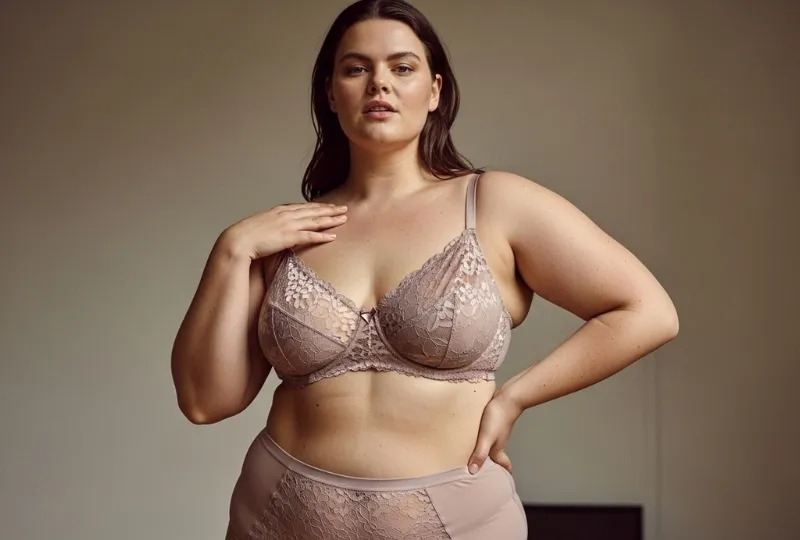
Finding the best plus size bra in 2026 is no longer just about size availability. The conversation has shifted toward comfort, pressure control, smarter materials, and support that works in real life.
That change matters because many fuller-bust shoppers have spent years choosing between painful structure and flimsy softness. Now, newer research and broader retail design trends suggest the market is finally responding.
💕 Plus Size Fashion Questions? Ask Isabella!
Style, outfits, looks, combinations, fashion tips... quick & caring answers.
💕 Top Plus Size Fashion Picks
Handpicked products that fit and flatter curves


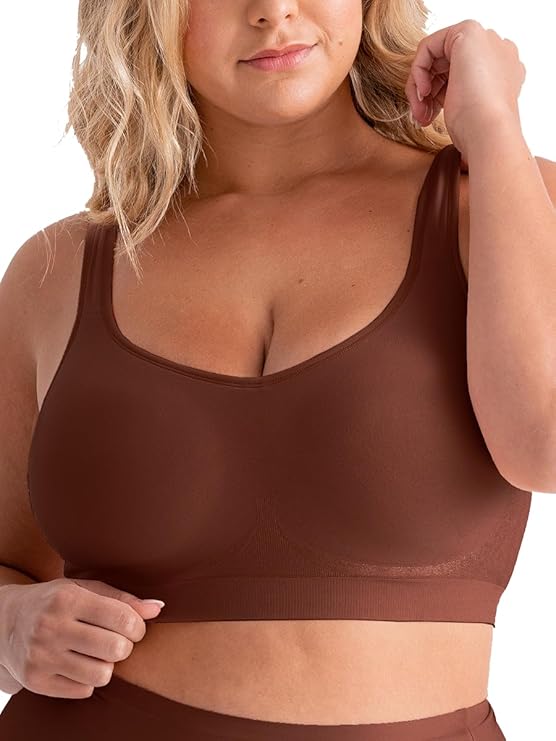

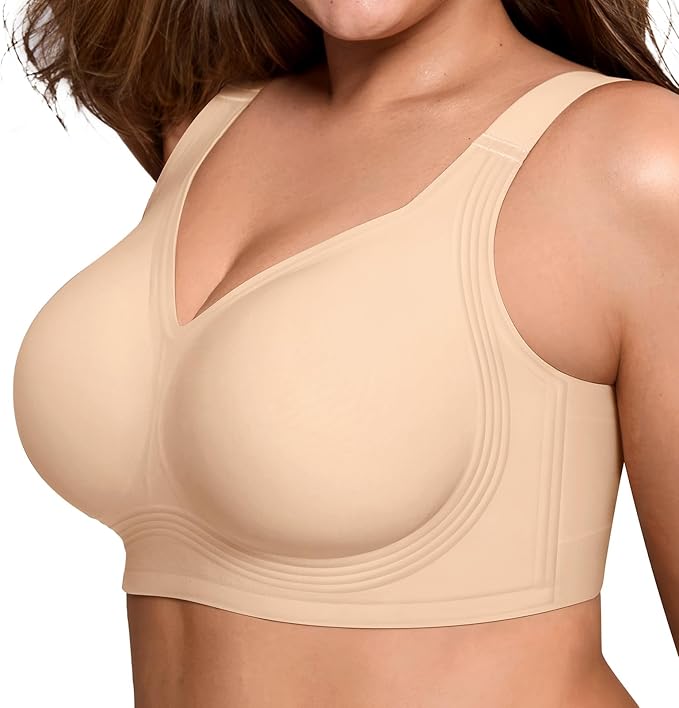


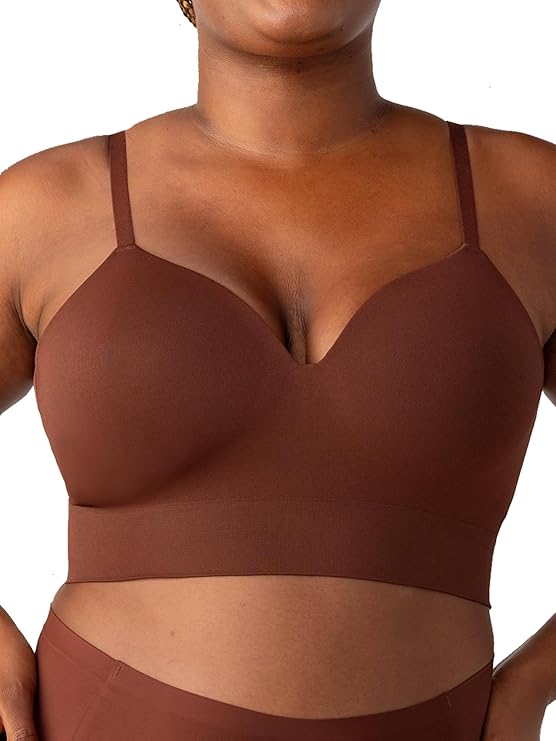


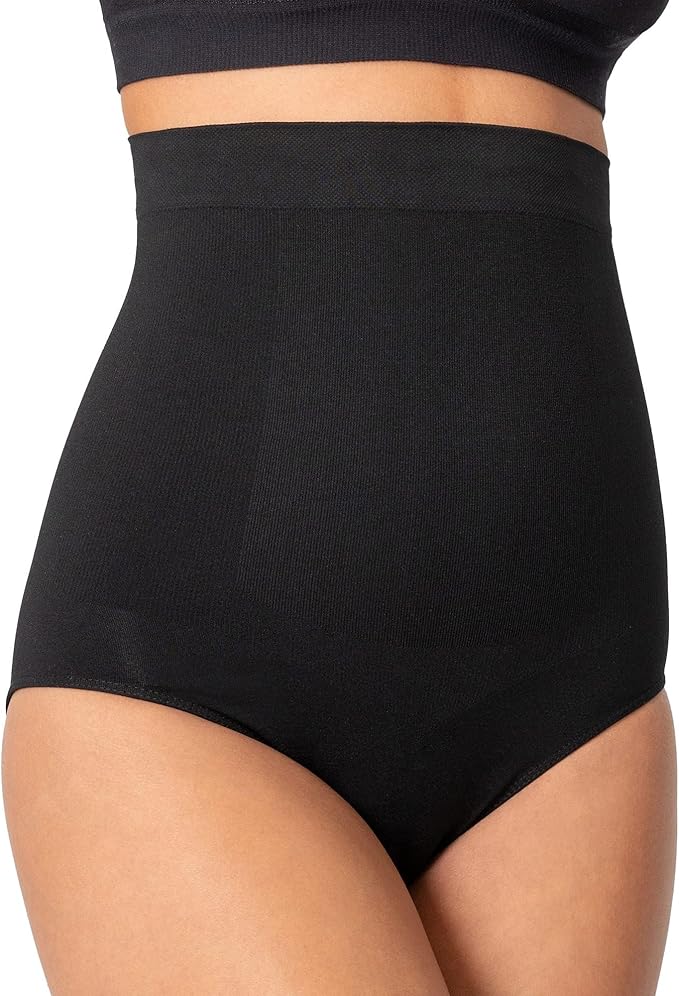


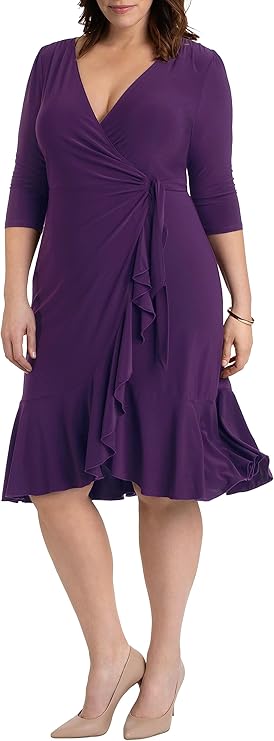
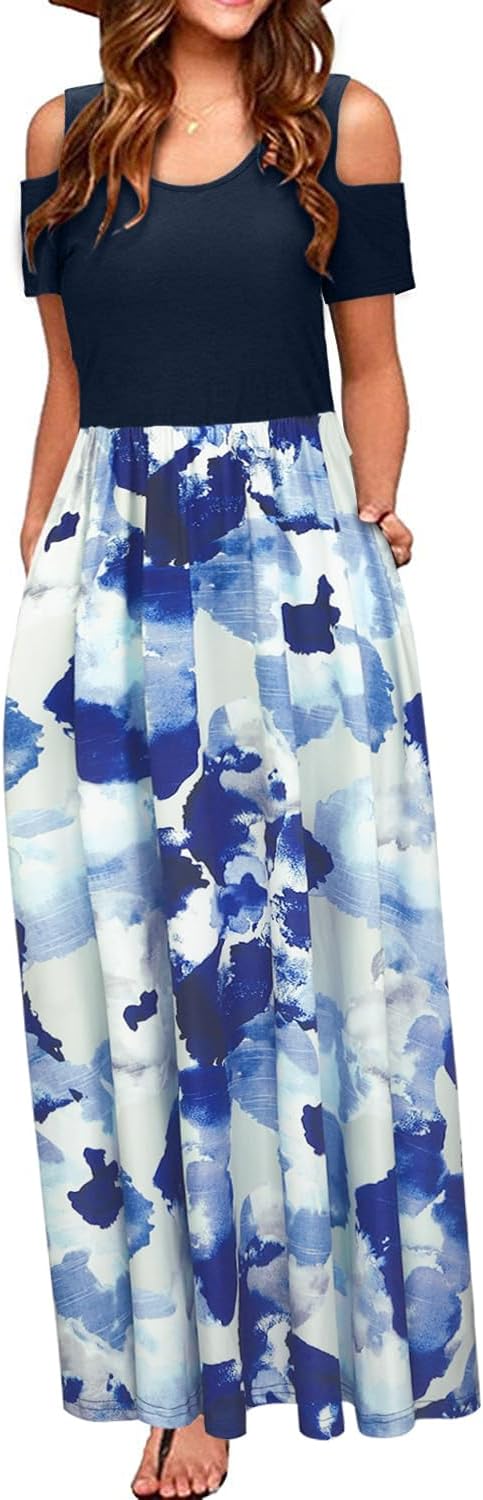
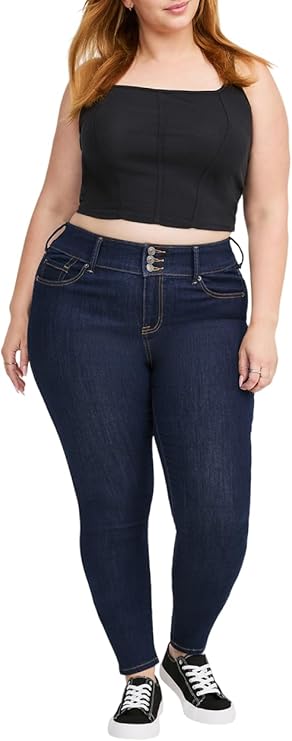


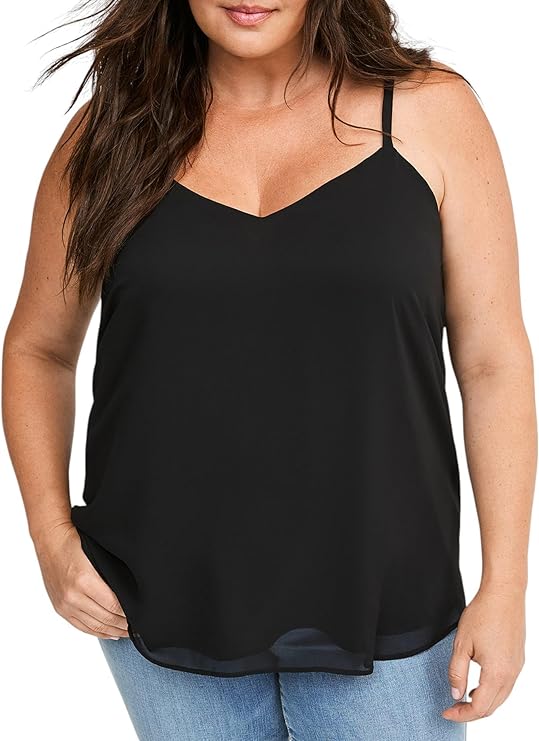
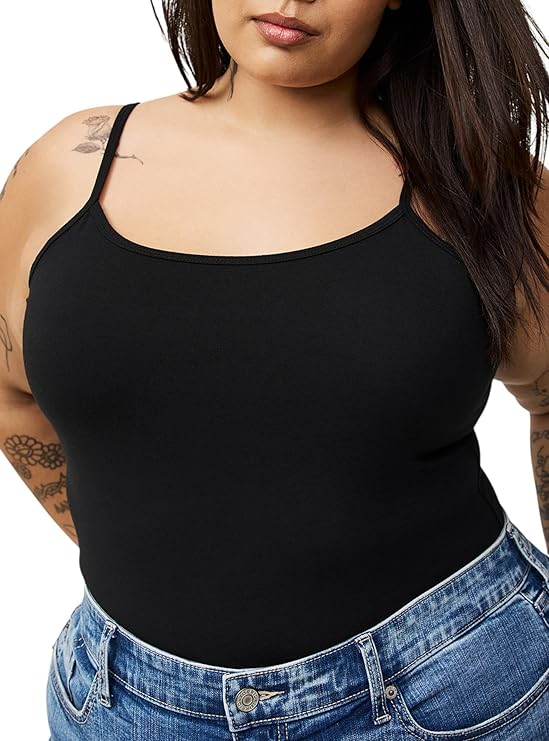
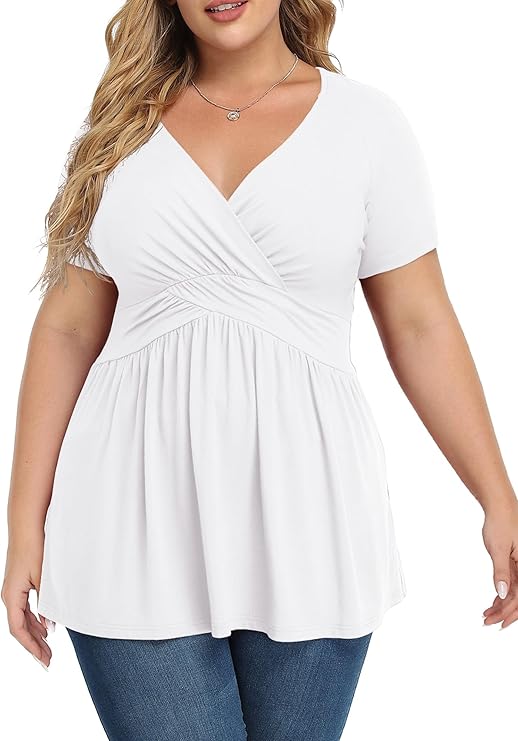


Recent product coverage also shows brands pushing inclusive sizing, recycled fabrics, stronger straps, and hidden support layers instead of relying only on rigid padding or old-fashioned shaping.
- Why the plus size bra market is changing now
- What comfort really means for fuller bust shoppers
- How to choose the right bra for support and fit
- Best bra types for different body shapes and occasions
- Materials, body confidence, and everyday practicality
- Questions People Are Asking About the Best Plus Size Bra in 2026
Why the plus size bra market is changing now
Comfort has become a design priority, not a side benefit. A recent Guardian review highlighted fuller-bust options using recycled fabrics, hidden mesh lining, wider straps, and padded fastenings.
That matters because support failures usually start in small places: straps that dig, bands that roll, cups that collapse, and fabrics that trap heat.
At the same time, textile researchers are testing new bra structures that adapt better to movement and body variation. That is a meaningful shift for anyone who wears a bra all day.
One 2025 PubMed-indexed study described a flexible-fit bra built with bio-based materials and advanced knitting technology, aiming to improve adaptability, comfort, and size inclusivity.
| Key factor | Why it matters | What to look for | Common mistake |
|---|---|---|---|
| Band fit | Main source of support | Firm, level band | Buying too loose |
| Strap design | Reduces shoulder pressure | Wide, stable straps | Using straps to lift everything |
| Fabric | Affects heat and irritation | Breathable stretch blends | Choosing scratchy lace only |
| Cup structure | Shapes and contains tissue | Side support or seamed cups | Ignoring side spill |
| Use case | Needs vary by activity | Everyday, sleep, sports options | One bra for every situation |
What comfort really means for fuller bust shoppers
Comfort is not the absence of structure. It is the right structure in the right place, with enough flexibility to move with the body instead of fighting it.
For plus size bras, that usually means a supportive band, cups that fully encase tissue, and fabrics that stay breathable across long workdays, commuting, and warm weather.
Softness alone is not enough. A very stretchy bra may feel nice for ten minutes, then create bounce, neck tension, and skin irritation by midday.
- Look for wider underbands that stay flat.
- Choose straps that distribute weight without cutting in.
- Prioritize side support if tissue shifts outward.
- Check hook rows for adjustment room as the fabric relaxes.
Retail coverage reflects that trend. The Guardian noted that brands are increasingly combining inclusive sizing with hidden support details and lighter fabrics, which aligns with what many shoppers actually need.
How to choose the right bra for support and fit
The band should do most of the work. If the back rides up, the band is likely too loose, even if the cups look acceptable.
Cup fit should be smooth without cutting in at the top or spilling at the sides. Fuller bust shoppers often need more side containment than standard molded cups provide.
Underwire is not the enemy for everyone. A well-fitted wire can anchor support beautifully. The problem is usually incorrect sizing, wire shape mismatch, or stiff casing.
Wireless bras can work too, especially when they use internal slings, reinforced zones, or layered fabrics. But they still need a firm band and proper cup depth.
- Measure your snug underbust and standing bust.
- Start with the band first, not the cup letter.
- Scoop all tissue into the cup before judging fit.
- Walk, sit, and raise your arms.
- Reject any bra that needs constant readjustment.
Common fit mistakes that ruin comfort
Many shoppers size up in the band to escape tightness, but that often removes support and increases shoulder strain.
Another mistake is buying cups that are too small because the bra “looks smoother” under clothing. In practice, that can create pressure points and side bulging.
Many people also keep bras too long. Once elastic gives out, support disappears, even if the fabric still looks fine.
- Do not judge fit without adjusting the straps.
- Do not ignore side spillage near the underarm.
- Do not assume every brand fits the same.
- Do not rely only on molded cups if they gap or compress.
Best bra types for different body shapes and occasions
No single bra works for every day. Body shape, breast placement, shoulder shape, and routine all change what feels supportive.
For everyday wear, many plus size shoppers do best with balconette, full-cup, or side-support bras. These styles often balance lift, separation, and coverage more effectively.
For lounging or work-from-home use, structured bralettes can be excellent if they have a firm base, broad straps, and enough cup depth.
For exercise, compression alone may not be enough for fuller busts. Encapsulation or hybrid sports bras tend to control motion better.
A newer materials study on motion comfort found improved adaptability and pressure distribution from auxetic bra pad structures, pointing to how future sports and everyday bras may become more wearable.
Quick matching guide
- Fuller on bottom: balconette or half-cup styles can lift well.
- Fuller on top: stretch upper cups help avoid cutting in.
- Wide-set breasts: side-support panels improve centering.
- Close-set breasts: lower gores may feel less intrusive.
- High-movement days: choose encapsulation sports bras.
Materials, body confidence, and everyday practicality
Fabric affects confidence more than marketing does. If a bra overheats, scratches, slips, or leaves deep marks, it changes posture and mood fast.
Breathable mesh, recycled nylon blends, soft linings, and flexible lace can all work well when paired with stable construction. Material alone does not guarantee comfort.
Body confidence often grows from predictability. A supportive bra lets people move, work, commute, and socialize without constant self-monitoring.
That is why the best plus size bra is usually the one that disappears during wear. You should notice your day, not your straps, band, or cup edge.
The strongest buying strategy is practical, not aspirational. Buy for your real wardrobe, your real climate, and your actual routine.
- Test bras under your most-worn tops.
- Choose breathable fabrics for long days.
- Keep different bras for work, rest, and exercise.
- Replace overstretched favorites before discomfort returns.
In 2026, that is the real shift: plus size bra shopping is becoming less about hiding the body and more about supporting it intelligently, comfortably, and without apology.
Questions People Are Asking About the Best Plus Size Bra in 2026
Shoppers are focusing more on comfort, support, and practical fit than on old sizing myths. These questions matter now because newer materials and design updates are changing what fuller-bust bras can actually do.
What is the most important feature in a plus size bra?
The band is usually the most important feature because it provides most of the support. If the band is loose, straps and cups often overcompensate and create discomfort.
Are wireless bras good for large busts?
Yes, some wireless bras work very well for large busts. They need a firm band, enough cup depth, and support features like internal slings or reinforced panels.
How do I know if my bra cup is too small?
Your cup may be too small if tissue spills over the top, sides, or near the underarm. Pressure, flattening, and constant readjustment are also common warning signs.
Which bra is best for all-day comfort?
A full-cup or side-support bra is often best for all-day comfort because it balances coverage, stability, and lift. The best choice still depends on your shape, outfit, and activity level.
How often should I replace a plus size bra?
You should replace it when the band loses tension, the straps no longer adjust well, or support drops noticeably. For frequently worn bras, that can happen much sooner than people expect.
Editorial Notice
This content was structured with the assistance of Artificial Intelligence and submitted to rigorous curation, fact-checking, and final review by the editor-in-chief Isabelle. Curves In Lace reaffirms its commitment to journalistic ethics, ensuring that editorial judgment and the validation of information remain entirely under human responsibility, under the editor’s authority.
Transparency: Editorial Policy | AI Usage Policy | Corrections Policy | Contact