
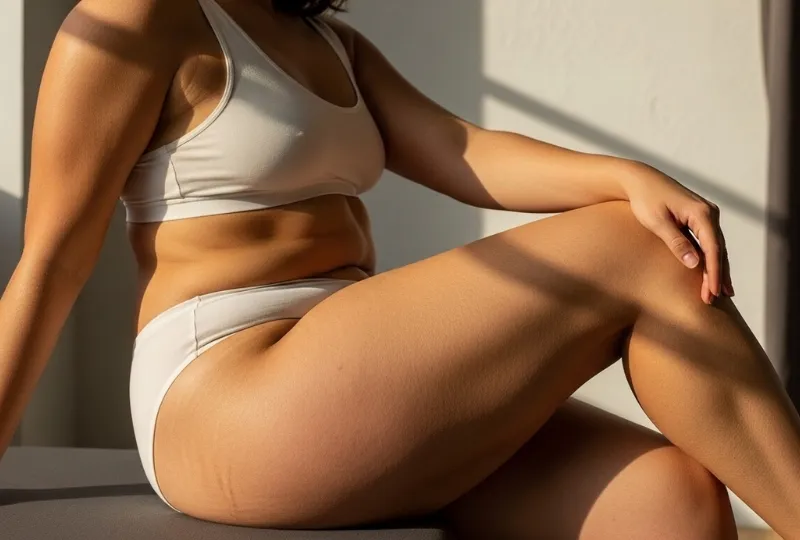
The latest conversation around the best plus size bra is no longer just about style. In 2026, the strongest demand is for comfort-first support, softer materials, and sizing that reflects real bodies.
That shift matters because many shoppers still buy bras that pinch, slide, or fail halfway through the day. The result is physical discomfort, wasted money, and avoidable frustration.
💕 Plus Size Fashion Questions? Ask Isabella!
Style, outfits, looks, combinations, fashion tips... quick & caring answers.
💕 Top Plus Size Fashion Picks
Handpicked products that fit and flatter curves


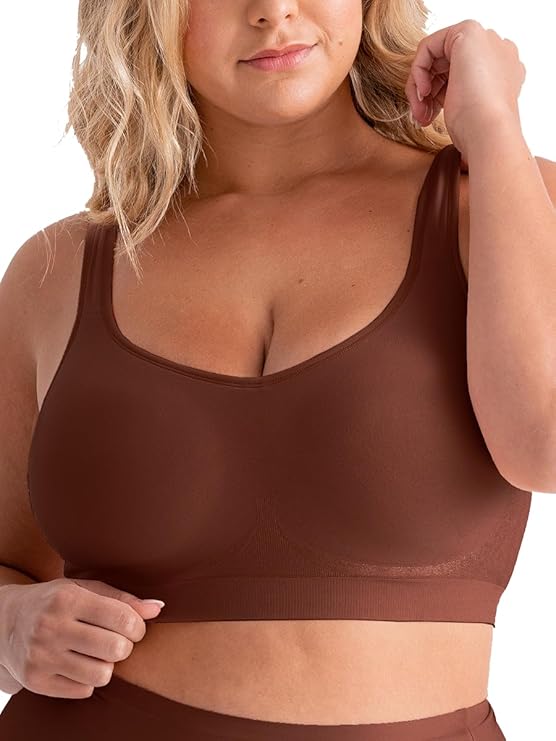

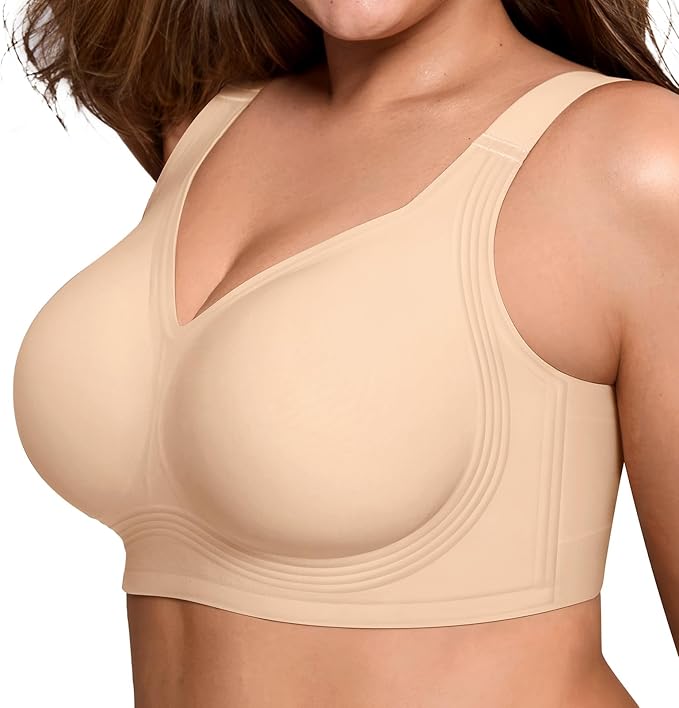


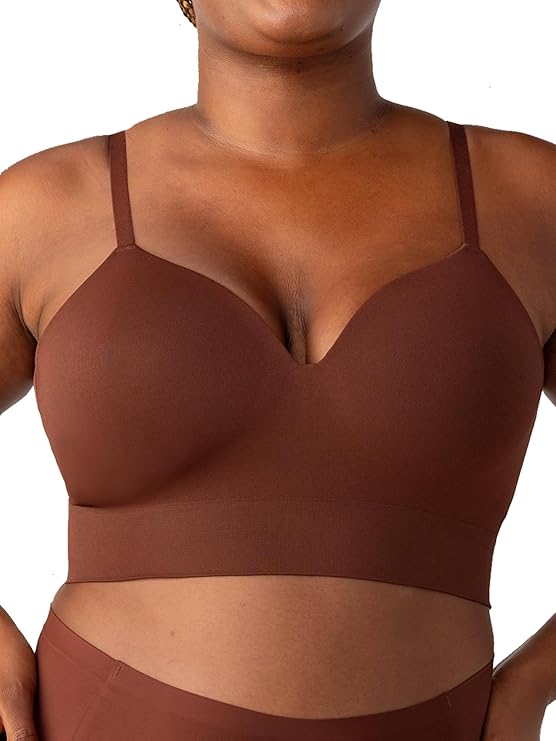


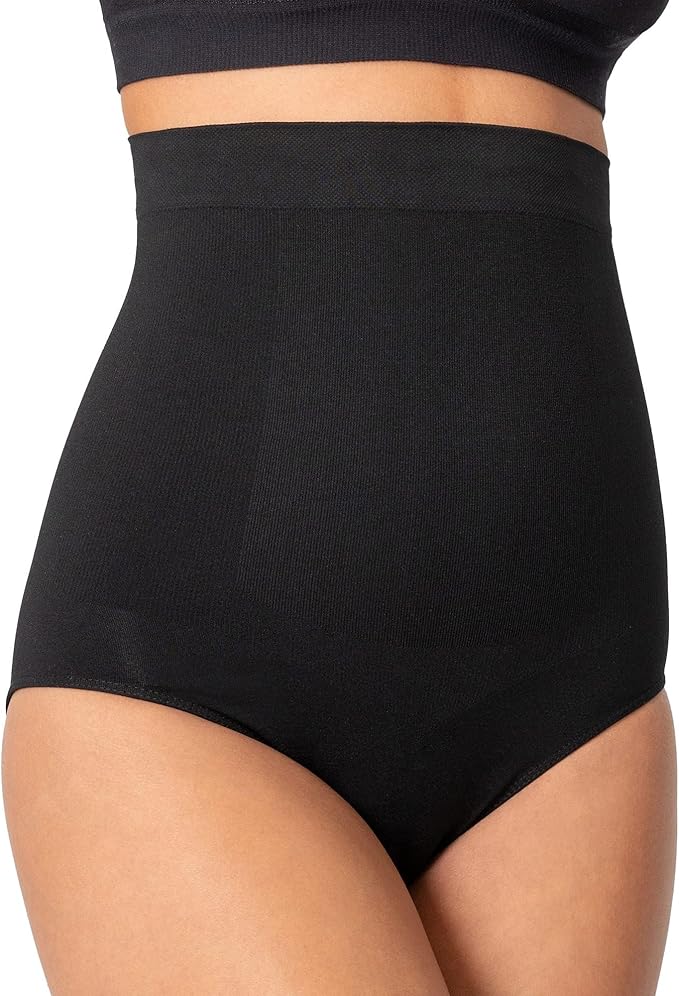


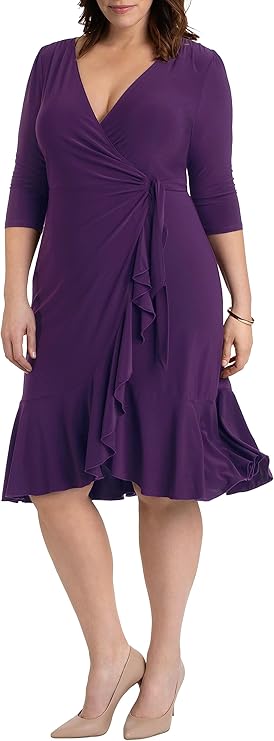
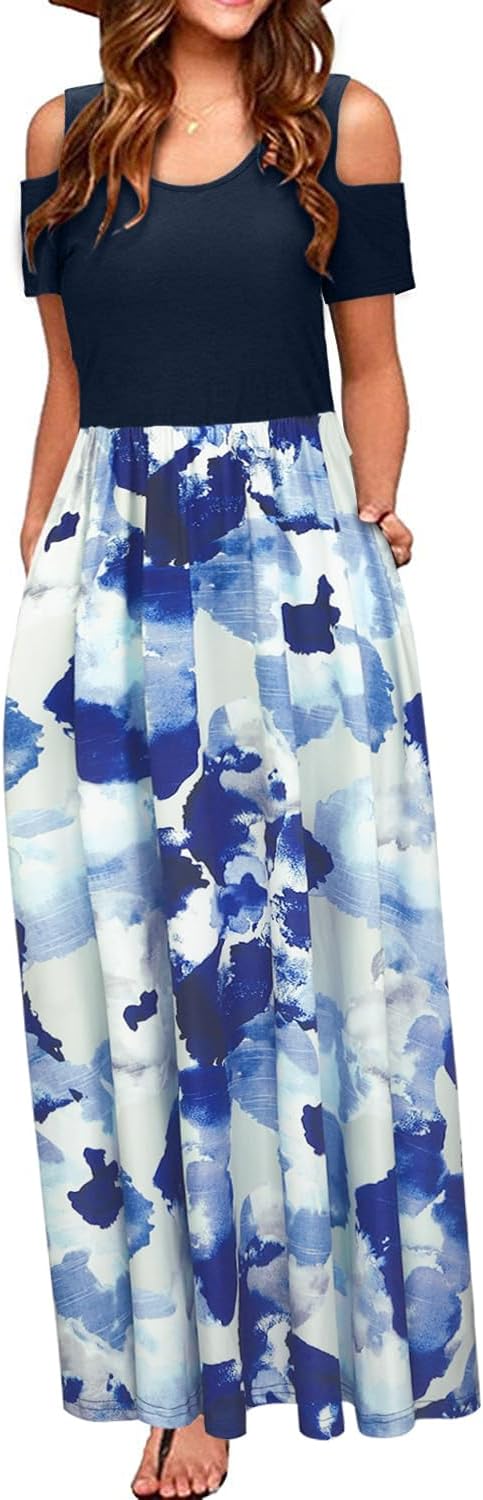
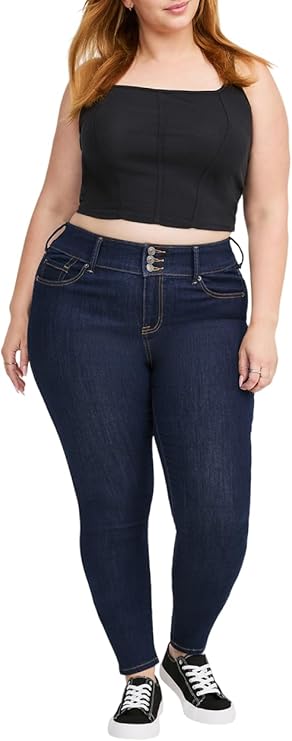


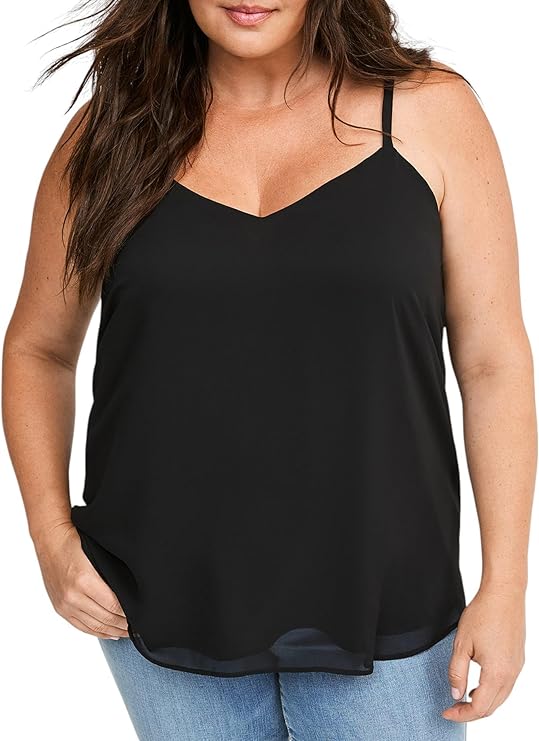
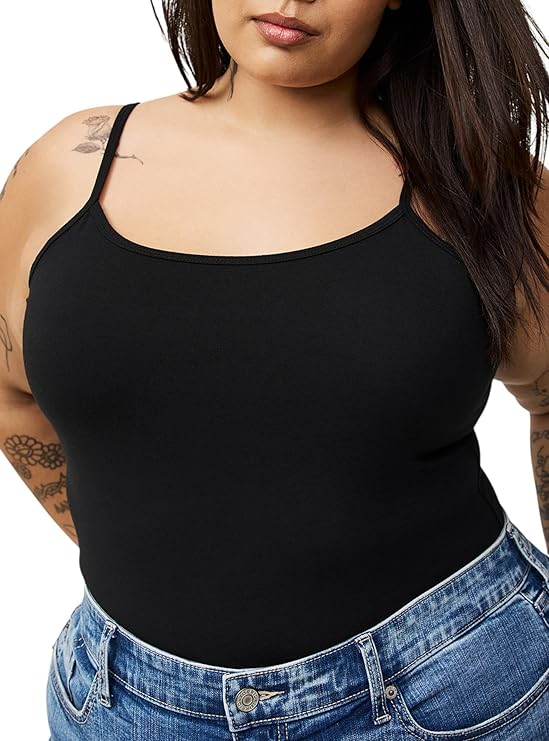
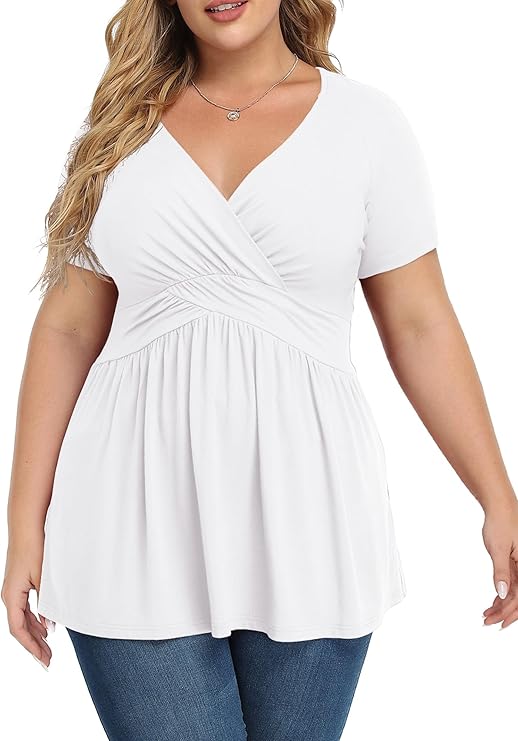


Recent coverage shows editors and testers now prioritize wider bands, softer fabrics, and expanded sizing, while research points to better engineering and material design as the real drivers of fit.
| Key need | What works best | Common problem | Why it matters |
|---|---|---|---|
| Daily comfort | Soft microfiber or cotton blends | Scratchy lace seams | Reduces irritation |
| Support | Wide band and side panels | Straps doing all the work | Less shoulder pain |
| Better fit | Accurate band and cup sizing | Band too loose | Improves lift |
| Breathability | Moisture-managing fabrics | Heat buildup | Helps all-day wear |
| Confidence | Shapes that match outfit needs | Settling for one bra type | Better silhouette |
Why the search for the best plus size bra has changed
Older buying guides often focused on appearance first. The 2026 shift is different. Shoppers want bras that survive commuting, desk work, errands, parenting, and long hours without constant readjustment.
That is why recent rankings emphasize practical testing. In one roundup, testers highlighted soft materials and stronger support across extended size ranges, showing how comfort and structure now sit at the center of the category.
The same trend appears in technical research. A 2025 paper reviewing plus-size bra design challenges said better outcomes depend on material choice, pattern engineering, elasticity, ventilation, and shape-sensitive construction.
In plain terms, the best bra is no longer the prettiest product photo. It is the one that balances lift, softness, airflow, and stability across a full day of movement.
- Comfort now ranks alongside support, not below it.
- Fabric quality matters as much as cup shape.
- Extended sizing without true engineering is rarely enough.
- Body confidence improves when fit problems disappear.

What comfort really means in a plus size bra
Comfort is not just “wireless” or “soft.” A comfortable plus size bra spreads pressure evenly, stays anchored, and does not force the straps to carry all the weight.
That means the band should feel firm, not painful. The cups should fully contain breast tissue. The center front should sit closer to the body when the style is designed for separation.
Material choice also changes everything. Researchers note that elasticity, ventilation, and fabric performance are vital in plus-size bra engineering, especially for wearers managing heat, friction, or sensitive skin.
For many people, true comfort comes from details shoppers often ignore: wider wings, padded hook areas, smoother cup lining, and seams placed away from high-friction zones.
Signs a bra is comfortable enough for daily wear
- The band stays level from front to back.
- You do not feel pressure points after two hours.
- The straps support without digging.
- The cups do not wrinkle, gape, or cut in.
- You are not adjusting it every time you stand up.
How to choose the right fit without guessing
The biggest mistake is sizing up the band for comfort. It feels easier in the fitting room, but a loose band often causes slipping straps, poor lift, and back discomfort later.
The second common mistake is blaming your body when the bra shape is wrong. Full bust, shallow bust, projected bust, short roots, and wide-set breasts can all need different construction.
Editorial reviews still repeat a crucial truth: professional fitting or careful measuring remains the fastest route to a better bra fit. That advice stays relevant because band and cup errors are extremely common.
Start with a snug underbust measurement and a standing bust measurement. Then assess shape, not just size. Does tissue fall forward quickly? Are straps slipping inward? Does the wire sit on tissue?
- Measure your underbust firmly.
- Measure the fullest part of your bust.
- Check whether your current band rides up.
- Look for spillage or empty cup space.
- Match the bra type to your daily use.
Quick fit checks in the mirror
If the back rises upward, the band is likely too loose. If the cups cut across the top, the cup volume is probably too small.
If the straps leave deep grooves, the band may not be doing enough work. If the center panel floats away, the shape or cup size may be off.
When the right fit clicks, posture improves, movement feels lighter, and clothing sits better. That confidence is not cosmetic. It is functional and emotional at the same time.
Best bra types for body shapes and occasions
No single bra works for every outfit or every body. The smarter approach is building a small rotation based on routine, support needs, and sensitivity to seams or wires.
For fuller busts needing maximum everyday support, an underwire full-coverage bra with side support panels often works best. For softer days, a structured wireless bra can reduce pressure without sacrificing stability.
For T-shirts, molded or lightly lined cups help smooth the silhouette. For hot days, breathable wireless styles with wide bands can feel easier. For exercise, a high-impact encapsulation sports bra usually offers better control.
Body shape matters too. People with fuller upper tissue may prefer higher coverage. Those with wider roots often do better with broader wires or cups designed for lateral support.
- Full coverage: best for lift, containment, and workdays.
- T-shirt bra: best under thin tops.
- Wireless structured bra: best for lounge-to-errand comfort.
- Minimizer: best when reducing projection matters.
- Sports bra: best for bounce control and workouts.
Common buying mistakes that cost comfort and money
Many shoppers buy based on size labels alone. But brand grading varies, and “plus size” does not guarantee real support engineering.
Another costly mistake is chasing trends over routine. A bra can look modern online and still fail basic daily needs like separation, airflow, and secure band tension.
Shoppers also underestimate fabric fatigue. If a bra feels perfect on day one but stretches out quickly, the support system collapses. That makes durability part of comfort, not a separate issue.
Finally, many people keep wearing painful bras because they assume discomfort is normal. It is not. A better fit can reduce shoulder strain, overheating, and self-consciousness in ordinary situations.
What shoppers should prioritize now
The best plus size bra in 2026 is the one designed around real life, not fantasy sizing. Comfort, support, breathable materials, and shape-aware fit are the priorities that keep showing up.
That makes the category more useful than glamorous. And honestly, that is progress. When a bra works, you think less about it, move more freely, and feel more like yourself.
For anyone shopping now, focus on band support, cup accuracy, fabric feel, and occasion-specific design. Ignore hype. Trust fit, function, and how your body feels after a full day.
Editorial Notice
This content was structured with the assistance of Artificial Intelligence and submitted to rigorous curation, fact-checking, and final review by the editor-in-chief Isabelle. Curves In Lace reaffirms its commitment to journalistic ethics, ensuring that editorial judgment and the validation of information remain entirely under human responsibility, under the editor’s authority.
Transparency: Editorial Policy | AI Usage Policy | Corrections Policy | Contact